

Quick answer
The Côte de Nuits specializes in red wines made from Pinot Noir and claims Burgundy's most expensive Grand Cru vineyards, including Romanée-Conti and Chambertin. The Côte de Beaune produces both celebrated reds and whites, with Chardonnay dominating appellations like Meursault and Puligny-Montrachet. The northern slope is smaller, denser with prestige labels, and quieter; the southern slope is larger, more varied in output, and anchored by the town of Beaune, which functions as Burgundy's commercial wine capital.
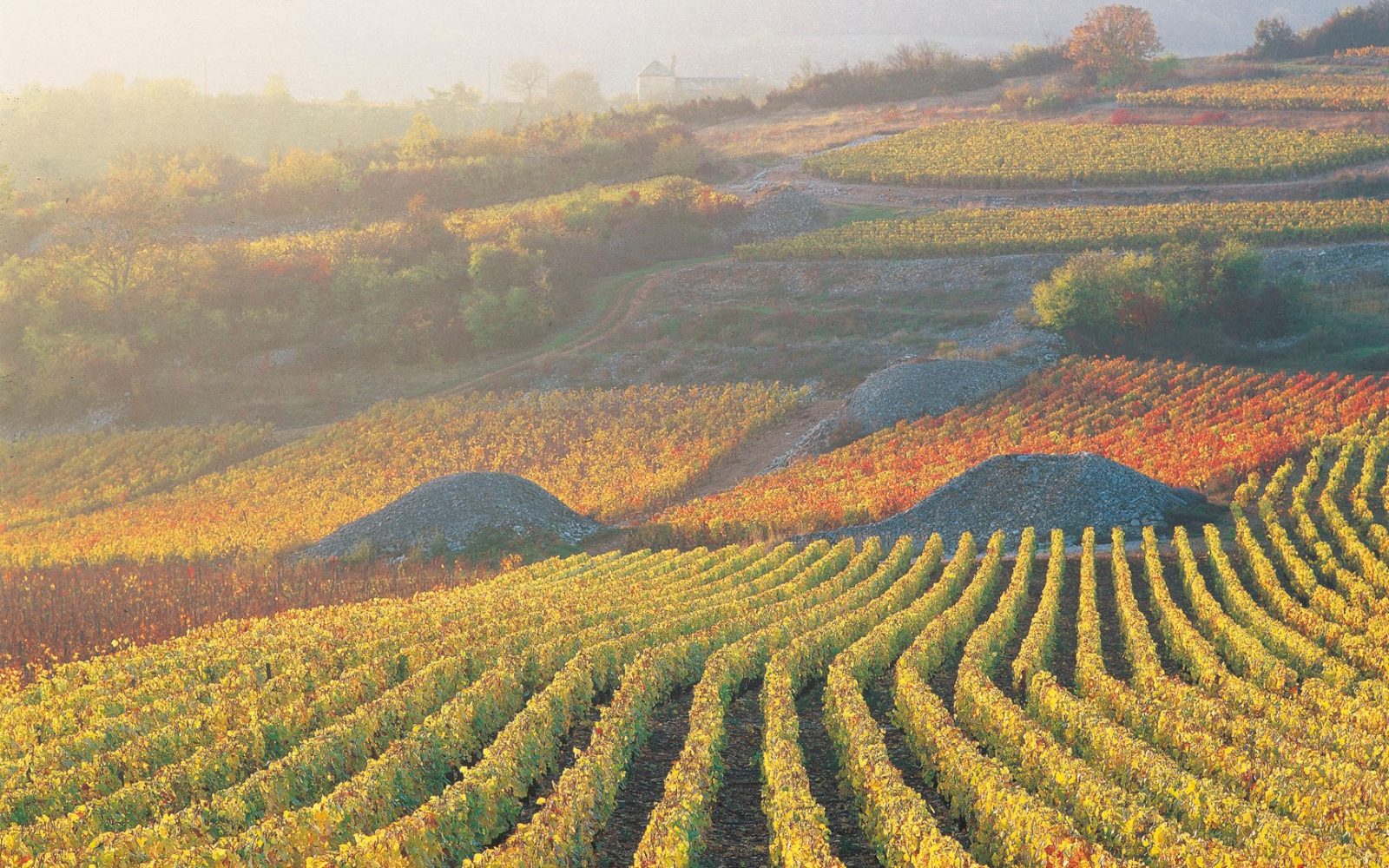
The Côte de Nuits spans roughly 20 kilometers from Marsannay-la-Côte south to Corgoloin and contains 24 of Burgundy's 33 red-wine Grand Crus. The limestone bedrock here is harder and the soils thinner, which stresses the vines and concentrates flavor in Pinot Noir. Villages like Gevrey-Chambertin, Vosne-Romanée, and Nuits-Saint-Georges produce structured, age-worthy reds that command premium prices. The landscape is steeper and the vineyards more tightly packed than in the south. Visitors encounter smaller producers, fewer tourist facilities, and a working wine culture that remains less polished than Beaune's hospitality infrastructure. The Côte de Beaune stretches 25 kilometers from Ladoix-Serrigny to the Maranges appellation and produces both red and white wines at volume. The soils here are deeper and contain more clay, which suits Chardonnay's root structure. Grands Crus like Corton-Charlemagne and Montrachet anchor the white-wine hierarchy, while red appellations such as Pommard and Volnay remain benchmarks for Pinot Noir. The town of Beaune itself operates as a visitor hub, with tasting rooms, wine merchants, and the Hospices de Beaune auction house that sets annual vintage prices. The cote de beaune vs cote de nuits comparison often centers on this contrast: the north is a specialist enclave for red collectors, the south a broader producer with dual-color strength. Both slopes follow the same east-facing orientation and benefit from the Morvan hills that shelter them from Atlantic weather. The difference in wine style traces to soil composition and centuries of clonal selection. Côte de Nuits reds emphasize structure, tannin, and earthy minerality. Côte de Beaune reds are rounder and fruit-forward, while its whites display precision and acidity. For visitors planning a Burgundy wine route, the practical distinction matters more than the stylistic one: the Côte de Nuits rewards focused cellar visits and appointments, the Côte de Beaune accommodates walk-in tasting and has infrastructure for longer stays. Public roads cross both regions freely, and entry to vineyard landscapes costs nothing.
“The Côte de Nuits is a specialist enclave for red collectors, the Côte de Beaune a broader producer with dual-color strength.”
Côte de Beaune vs Côte de Nuits: Key Differences for Visitors
Deciding between the Côte de Nuits and the Côte de Beaune depends on your preference for iconic red wines versus a balanced selection of prestigious whites and reds. This comparison highlights the distinct characteristics of each region to guide your travel plans.
|
Top pick Côte de Nuits The Heart of Pinot Noir |
Côte de Beaune The Home of Chardonnay | |
|---|---|---|
| Primary Wine Focus | Predominantly Pinot Noir | Balanced Chardonnay and Pinot Noir |
| Terrain Character | Steep, narrow limestone slopes | Gentler, wider valley landscape |
| Famous Appellations | Gevrey-Chambertin, Vosne-Romanée | Montrachet, Meursault, Pommard |
| Typical Visitor Experience | Focus on historic grands crus | Focus on cellar door diversity |
Verdict: Choose the Côte de Nuits if you seek the world's most renowned red wines, or the Côte de Beaune if you prefer a mix of legendary white wines and historic vineyard architecture.
Getting to the Côte de Nuits for Your Wine Tour
The Côte de Nuits is located in the Burgundy region of France, primarily accessible via the city of Dijon or Beaune. Navigating the vineyard routes effectively requires personal transport, as public transit options are limited between specific vineyard sites.
TER regional train to Dijon-Ville station
A31 motorway to the Côte de Nuits exits
Private hire from Dijon or Beaune to vineyards
Local paths and vineyard roads throughout the Côte
Best Time to Visit for Côte de Beaune vs Côte de Nuits
The optimal time to explore the vineyards of Côte de Nuits and Côte de Beaune is during the shoulder seasons of May, June, September, and October. Visiting during the recommended arrival window of 09:00–17:00 ensures sufficient daylight for navigating vineyard paths while avoiding the highest traffic density.
May–June
ModerateMild, 15°C to 23°C
Vines are in active growth and the weather is temperate for walking the vineyard trails.
September–October
High during harvestCooler, 10°C to 18°C
The harvest season offers visual activity, though local roads may be busier.
Weekday mornings
Low—
Arriving at 09:00 allows for quiet exploration of the landscape before daily visitor traffic peaks.
Verdict: The best time to visit is on a weekday morning during May or October to balance favorable weather with manageable crowd levels.
Opening Hours for Côte de Nuits Vineyard Access
The Côte de Nuits region consists of open public vineyards and roads, which are accessible to visitors at all times. Please note that these public areas do not maintain formal operating hours.
| Monday | Closed | Public access only |
|---|---|---|
| Tuesday | Closed | Public access only |
| Wednesday | Closed | Public access only |
| Thursday | Closed | Public access only |
| Friday | Closed | Public access only |
| Saturday | Closed | Public access only |
| Sunday | Closed | Public access only |
Admission Fees for Côte de Beaune vs Côte de Nuits
Access to the public vineyards and roads throughout both the Côte de Beaune and Côte de Nuits is open to the public. There are no entry fees required to explore these regions.
A typical adult pays 0 EUR to access the region, as costs only arise if you choose to participate in private tastings or tours.
Check availability
Frequently Asked Questions About Côte de Beaune vs Côte de Nuits
Everything you need to know about cote de beaune vs cote de nuits