
Quick answer
The Cote de Nuits wine region is open year-round as a public landscape, but individual domaines and tasting rooms operate on appointment-only schedules, typically 09:00–17:00 weekdays. Entry to the region itself is free; winery visits range from complimentary tastings at cooperative cellars to €50+ guided sessions at grand cru estates. Harvest season (late August through September) brings closures and restricted access.
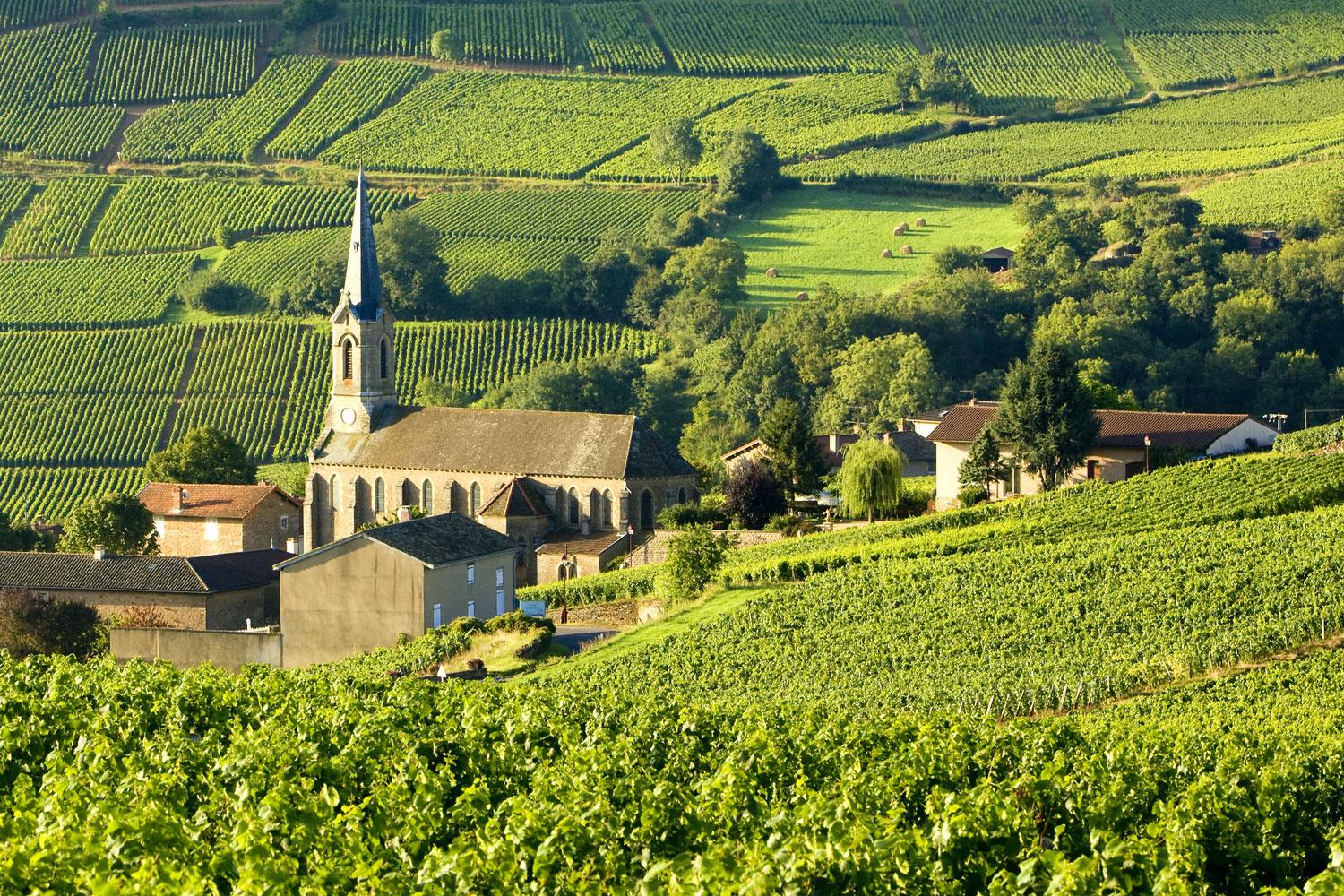
Ninety percent of the Cote de Nuits produces red wine—nearly all of it Pinot Noir. The narrow band of Jurassic limestone between the N74 highway and the forested ridge above creates a terroir so specific that a vineyard's position can shift by fifty meters and the wine's character changes entirely. Gevrey-Chambertin alone holds nine grand cru climats; Vosne-Romanée claims eight, including Romanée-Conti, the most expensive agricultural land per square meter on Earth. Most of the cote de nuits wine region operates on the domaine model—small family estates bottling their own fruit—rather than the négociant system that dominates southern Burgundy. Appointments are required at nearly all properties. Cooperatives in Nuits-Saint-Georges and Hautes-Côtes offer walk-in tastings, but the region's top producers maintain waiting lists stretching months. Harvest runs late August through September depending on the vintage; many cellars close entirely during vendange. The vineyard road (D974 and village routes) connects fourteen communes in sequence: Marsannay-la-Côte, Fixin, Gevrey-Chambertin, Morey-Saint-Denis, Chambolle-Musigny, Vougeot, Flagey-Échézeaux, Vosne-Romanée, Nuits-Saint-Georges, and Premeaux-Prissey anchor the route. Each village posts its grand cru and premier cru parcels on roadside markers. Clos de Vougeot, the region's largest single grand cru at fifty hectares, permits exterior visits to its medieval stone walls year-round; interior cellar tours require tickets booked through the Confrérie des Chevaliers du Tastevin. Public parking exists in village centers, though spaces fill quickly during weekends in autumn. The Voie Verte bicycle path runs parallel to the vineyard strip from Dijon to Beaune, passing through Nuits-Saint-Georges. Most serious visitors base themselves in Beaune or Dijon and work northward or southward in a single day, targeting three to four domaines maximum. Tasting fees at premier and grand cru estates typically apply toward bottle purchases. Spring (April–May) and autumn (September–October) offer the clearest hillside views and the most active cellar schedules. Summer heat can make the shadeless vineyard roads uncomfortable. Winter visits grant access to winemakers between bottling cycles, though short daylight limits the practical window.
“A vineyard's position can shift by fifty meters and the wine's character changes entirely.”
Optimal Timing for Visiting the Côte de Nuits Wine Region
The period between May and October offers the most consistent access to vineyards and tasting rooms, with the optimal daily arrival window for visiting individual wineries and tasting rooms being 09:00–17:00.
May to June
ModerateMild, 15°C to 22°C
Vineyards are lush and tasting rooms are accessible before peak summer traffic.
July to August
HighWarm, 20°C to 27°C
Visitor numbers increase significantly and advance appointments for tastings are required.
September to October
ModerateMild, 12°C to 20°C
The harvest season provides a view of the grape picking process.
Weekday mornings
Low—
Mid-week visits during the 09:00–17:00 window provide the quietest conditions for tours.
Verdict: The best time to visit is during the shoulder months of May or September, arriving between 09:00 and 17:00 to access tasting rooms efficiently.
Navigating to and Within the Côte de Nuits Wine Region
The Côte de Nuits is located in the Burgundy region of eastern France, situated between the cities of Dijon and Beaune. Travelers typically approach the region by arriving in either city before proceeding to the local appellation villages.
TER train from Dijon Ville to Gevrey-Chambertin
A31 motorway exiting toward Nuits-Saint-Georges
Mobigo regional bus line 113 between Dijon and Beaune
Direct transfer from Dijon or Beaune to village centers
Entrance and Tasting Fees in the Côte de Nuits Wine Region
The Côte de Nuits wine region is a public area accessible to the public at no cost. Individual wineries and tasting rooms operate independently and set their own charges for tours and tastings.
An adult pays 0 EUR to enter the region, though specific tasting fees vary depending on the chosen winery.
Structuring Your Visit to the Côte de Nuits Wine Region
This route suits wine enthusiasts with a full day to explore the region's most celebrated villages. Plan for 6–8 hours, including drive time between stops and tastings at 3–4 estates.
Gevrey-Chambertin Arrival
Begin in Gevrey-Chambertin, home to nine Grand Cru vineyards. Book a morning tasting at a domaine like Drouhin-Laroze or Rossignol-Trapet; sessions typically run 60–90 minutes.
Morey-Saint-Denis Stop
Drive 10 minutes south to Morey-Saint-Denis for a second tasting. This quieter village offers access to five Grand Crus and often shorter wait times than its neighbors.
Lunch in Nuits-Saint-Georges
Continue to Nuits-Saint-Georges, the region's largest town, for lunch at a local bistro. Many close by 14:30, so arrive promptly.
Vosne-Romanée Tasting
Head north to Vosne-Romanée, anchoring village of Romanée-Conti. Reserve an afternoon slot at a Premier Cru estate; tastings here require advance booking.
Clos de Vougeot Photo Stop
End at Château du Clos de Vougeot, a 12th-century fortress and vineyard landmark. The exterior and grounds are photogenic; interior tours require separate tickets.
Historical Significance of the Côte de Nuits Wine Region
Cistercian monks established the foundations of the cote de nuits wine region during the twelfth century. The Abbey of Cîteaux acquired parcels across the slopes between Dijon and Nuits-Saint-Georges in 1098. By 1336, the monks had enclosed the Clos de Vougeot vineyard with stone walls, creating a model of terroir-focused viticulture that survives intact today. They documented soil variations, drainage patterns, and frost behavior across individual plots, establishing the principle that location determined quality. The Dukes of Valois-Burgundy formalized this knowledge into law during the fourteenth and fifteenth centuries. Philip the Bold banned the Gamay grape in 1395, mandating Pinot Noir cultivation across the duchy. His successors mapped vineyard hierarchies, distinguishing premier sites from ordinary holdings. This ducal classification system prefigured the Appellation d'Origine Contrôlée framework adopted in 1936, which recognized thirty-three distinct climat designations within Burgundy's Côte de Nuits. Phylloxera devastated the region between 1878 and 1895, destroying ninety percent of existing vines. Growers replanted using American rootstock grafted with Pinot Noir cuttings salvaged from pre-epidemic plantings. The reconstruction period coincided with the cooperative movement, which enabled small holders to vinify and market wine collectively. Today, visitors walk through the Clos de Vougeot's medieval cellerie, stand before twelfth-century fermentation vats, and trace the stone walls that still define individual parcels along the Route des Grands Crus.
Cistercian monks from the Abbey of Cîteaux acquire vineyard parcels between Dijon and Nuits-Saint-Georges, beginning systematic viticulture.
Monks complete construction of stone walls enclosing the Clos de Vougeot vineyard, establishing terroir-based plot differentiation.
Philip the Bold issues an edict banning Gamay grapes and mandating Pinot Noir cultivation across the Burgundy duchy.
French Revolution redistributes monastic vineyards to private owners, fragmenting holdings into the small-parcel system visible today.
Phylloxera epidemic destroys ninety percent of vines; replanting with American rootstock grafted to Pinot Noir follows.
France adopts the Appellation d'Origine Contrôlée system, legally recognizing thirty-three climat designations within the Côte de Nuits wine region.
Insider Tips for Touring the Côte de Nuits Wine Region
Navigating the Côte de Nuits requires preparation to ensure access to the region's most sought-after domaines.
Book appointments in advance
Most prestigious wineries in this region operate by appointment only and do not accommodate walk-ins. Contact producers several weeks before your visit to secure a tasting slot.
Respect tasting room etiquette
Avoid wearing heavy perfumes or colognes, as they interfere with the ability of others to perceive the subtle aromas of the wine. Spittoons are provided at every tasting station; using them is considered professional and encouraged.
Limit daily visits
Focus on two to three producers per day to fully appreciate the terroir differences without sensory fatigue. This pace allows for meaningful conversation with hosts rather than rushing between appointments.
Dress for the cellar
Wine cellars remain cool and damp regardless of the outdoor temperature. Bring a light layer to stay comfortable during tours of the subterranean aging facilities.
Understand the purchase culture
Tastings often occur in working environments where the primary focus is professional distribution. If you intend to buy bottles, inquire about availability or shipping options at the start of your appointment.
Check availability
Frequently asked questions about the Côte de Nuits
Everything you need to know about cote de nuits wine region