8 hr 30 min
Burgundy Wine Discovery: Full-Day Tasting Tour from Beaune
- Expert local guide
- Small group
- Skip-the-line access
- Free cancellation
Côte de Nuits Wine Tour — Grand Cru Tastings & Vineyard Walks
Thirty-two kilometres of limestone terroir, eleven centuries of Pinot Noir mastery.
Compare fares, pick the fit — all bookings are mobile-voucher and eligible for free cancellation where shown.
8 hr 30 min
5 hr
7 hr
| Experience | From | Duration | Rating | Guide | Small group | Free cancel. | Price | |
|---|---|---|---|---|---|---|---|---|
|
Guided Experience
Most popular
Burgundy Wine Discovery: Full-Day Tasting Tour from Beaune
|
Beaune | 8 hr 30 min | ★ 4.9 | ✓ | ✓ | ✓ | $331 | Book → |
|
Standard Entry
Half-Day Burgundy Wine Discovery from Dijon
|
Dijon | 5 hr | ★ 4.6 | ✓ | ✓ | ✓ | €95 | Book → |
|
Guided Experience
Full-Day Burgundy Wine Experience from Dijon
|
Dijon | 7 hr | ★ 4.7 | ✓ | ✓ | ✓ | $168 | Book → |
Hand-picked experiences loved by thousands of travelers
2.5 hours
Free Cancellation
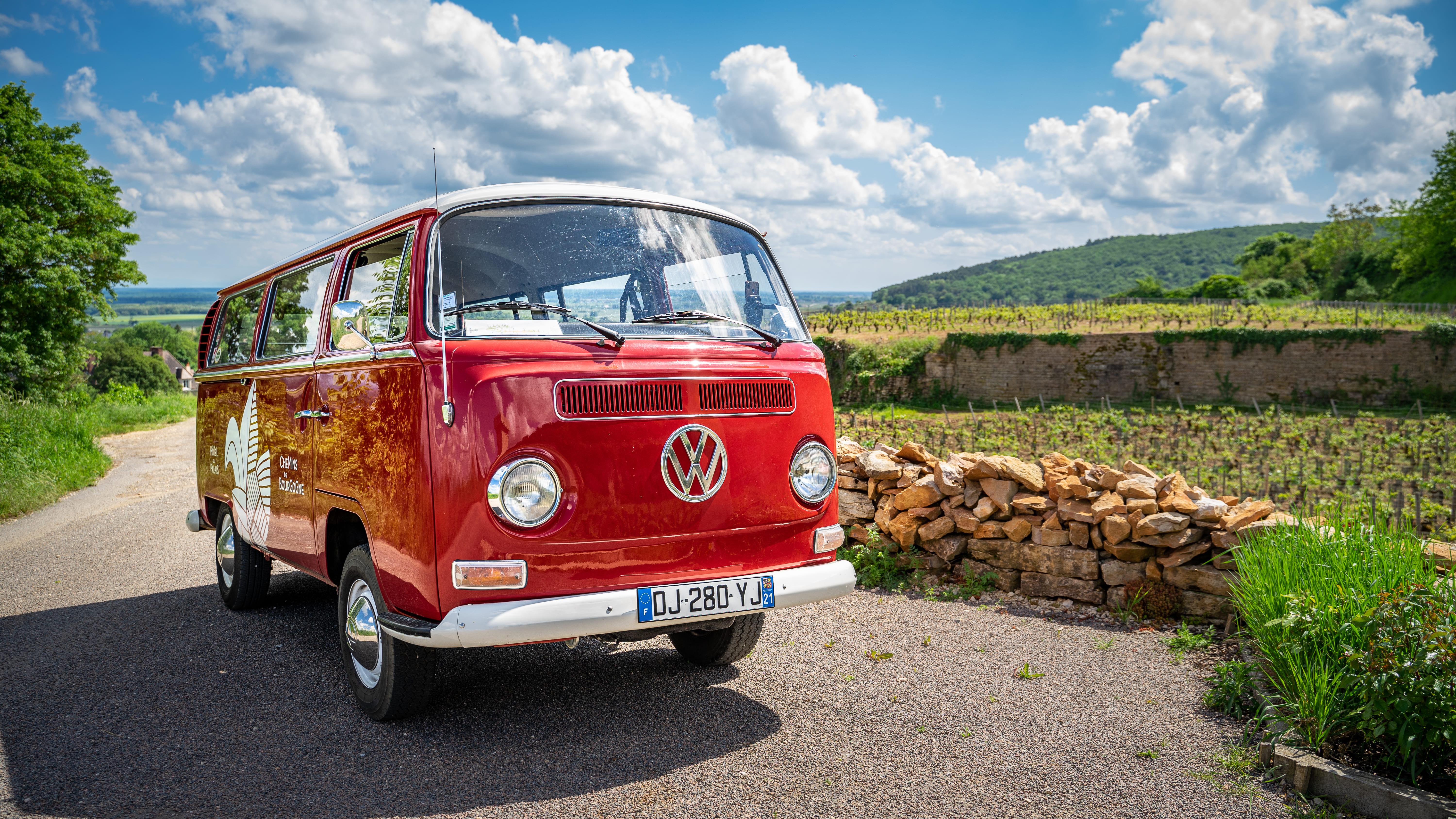
Intimate minivan journey through Burgundy's legendary wine country with estate cellar visit and tasting
5.5–7 hours
Free Cancellation
Full-day journey through Côte d'Or vineyards with tastings, village walks, and regional lunch
3 hours
Free Cancellation
Journey through legendary Grand Cru vineyards with expert commentary and a five-wine tasting.
6.5 - 7 hours
Free Cancellation
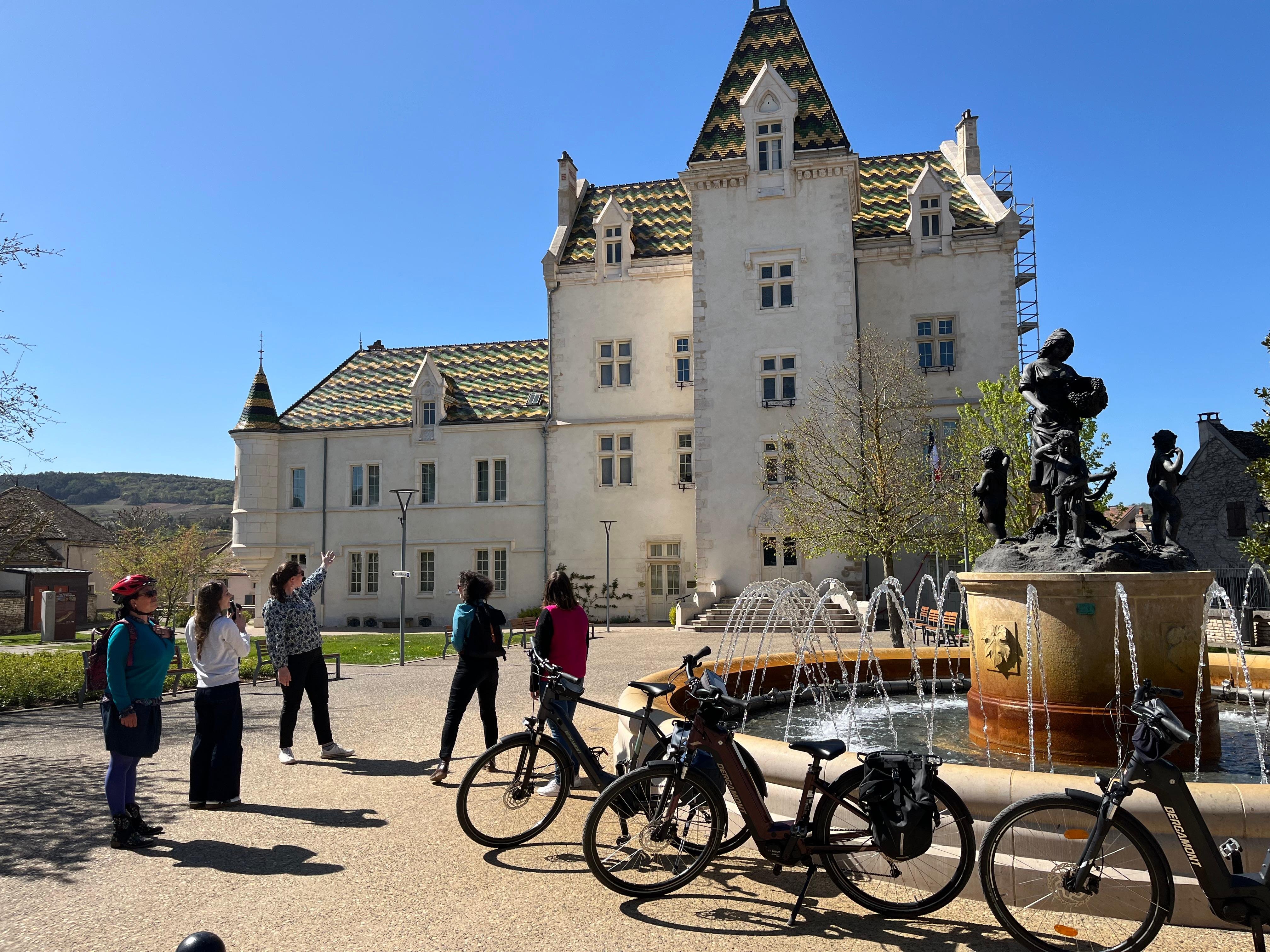
Cycle through Côte de Beaune vineyards, taste Grand Cru wines, and enjoy a traditional winery lunch
4 hours
Free Cancellation
Half-day journey through Burgundy's prestigious vineyards with expert-led tastings at two cellars
7 hours
Free Cancellation
Discover prestigious wine villages and taste exceptional Burgundy wines on this comprehensive vineyard tour
9 hours
Free Cancellation
Journey through medieval hilltop towns and cobbled streets on a full-day countryside escape
8 hours
Free Cancellation
Full-day sommelier-guided journey through Côte de Nuits and Côte de Beaune with tastings at family estates
Orientation and map pickup at the visitor center
Walking through the Grand Cru plots
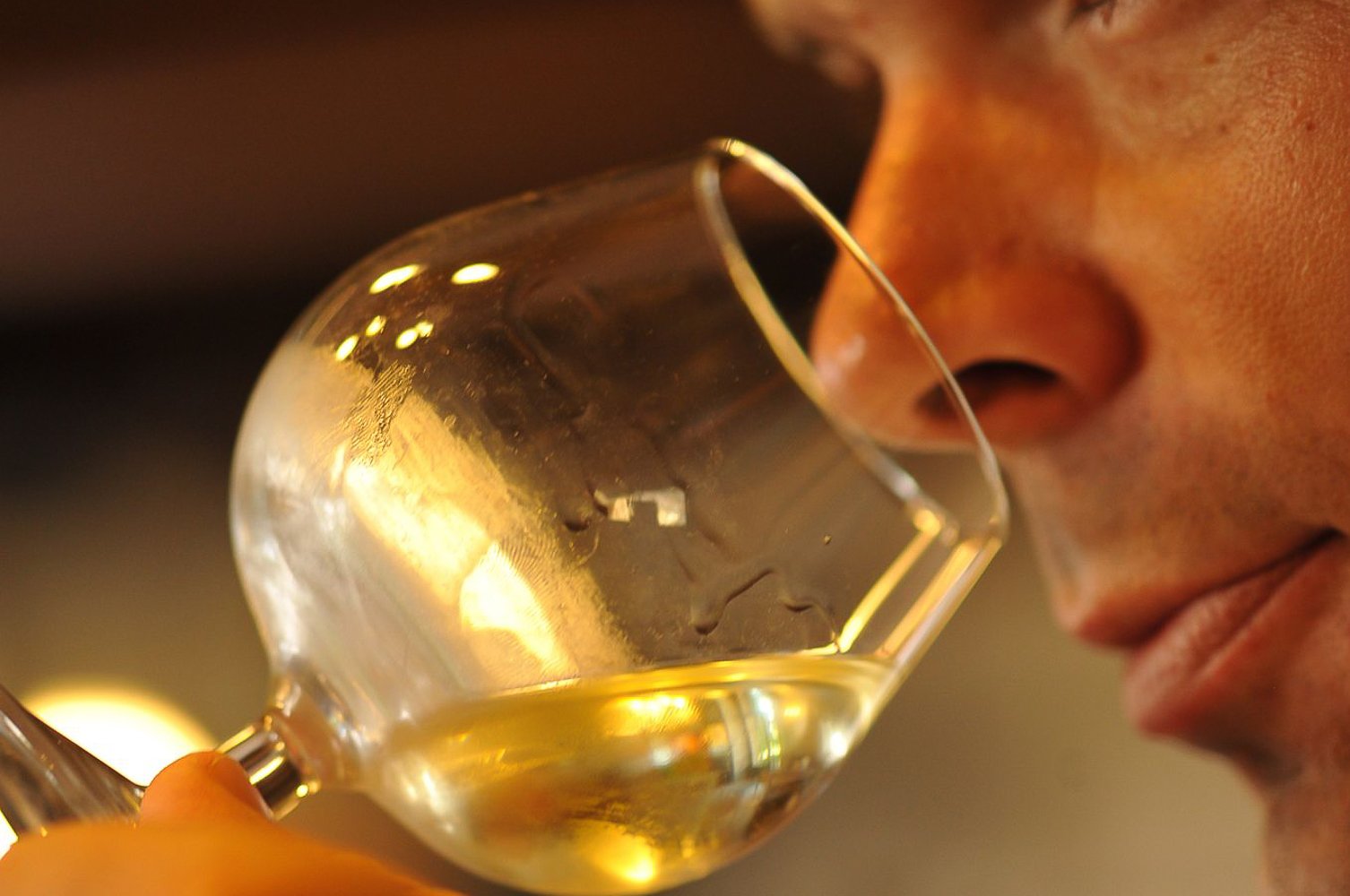
Guided tasting at a local domaine
Enjoying local Burgundy gastronomy
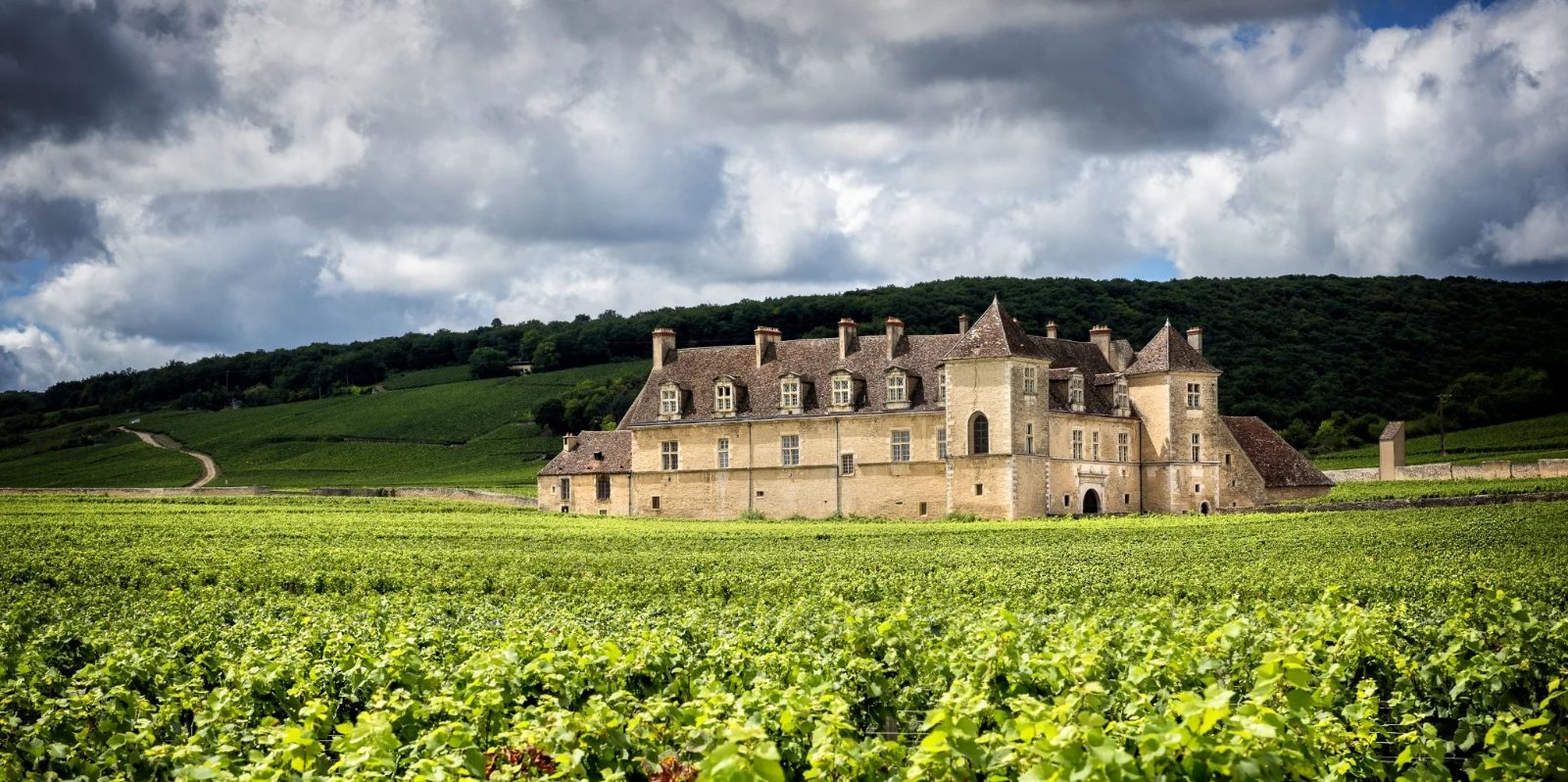
This historic site was established by Cistercian monks in the 12th century and remains the heart of Burgundy wine culture. It contains 50 hectares of vineyard area.
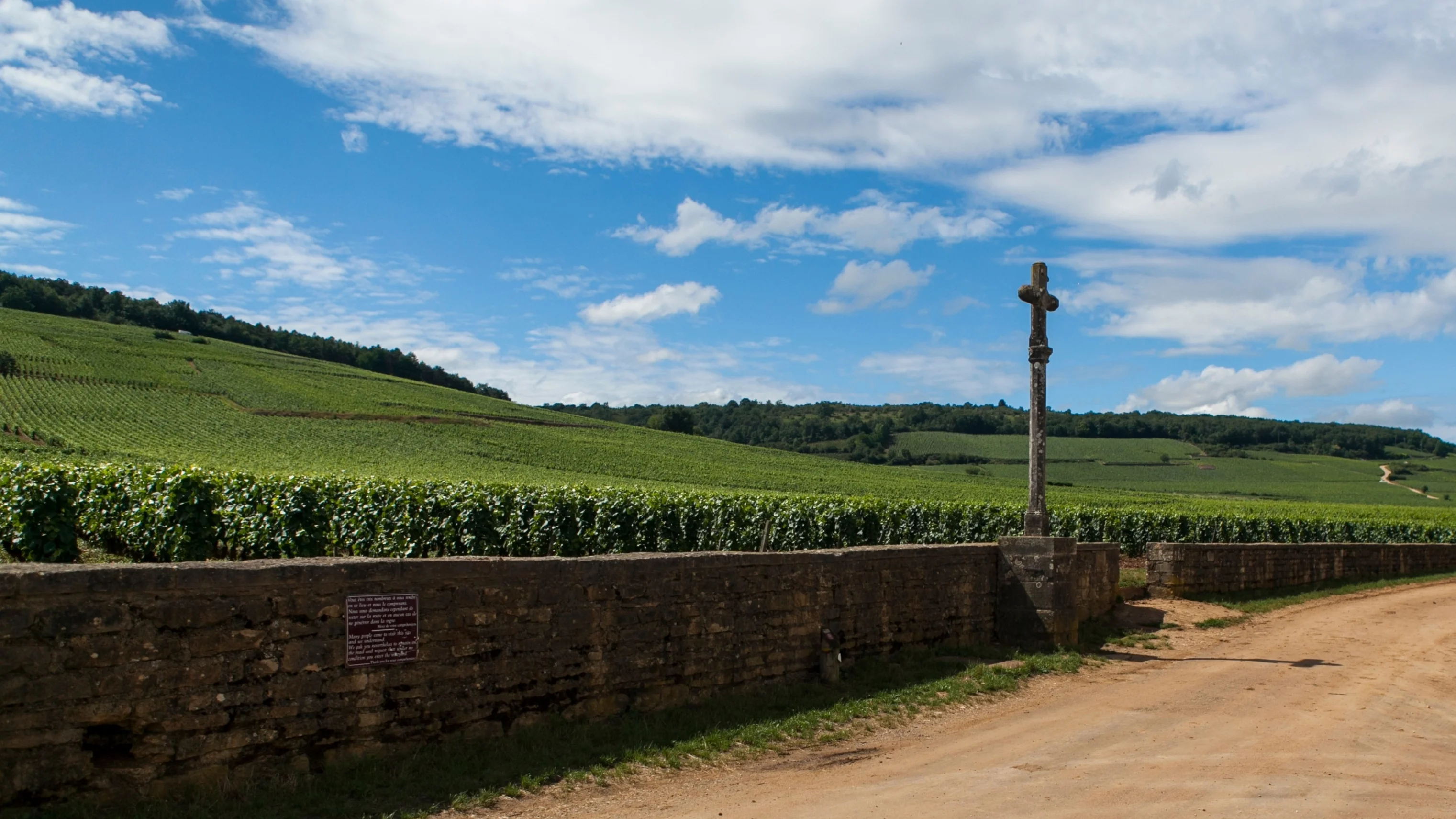
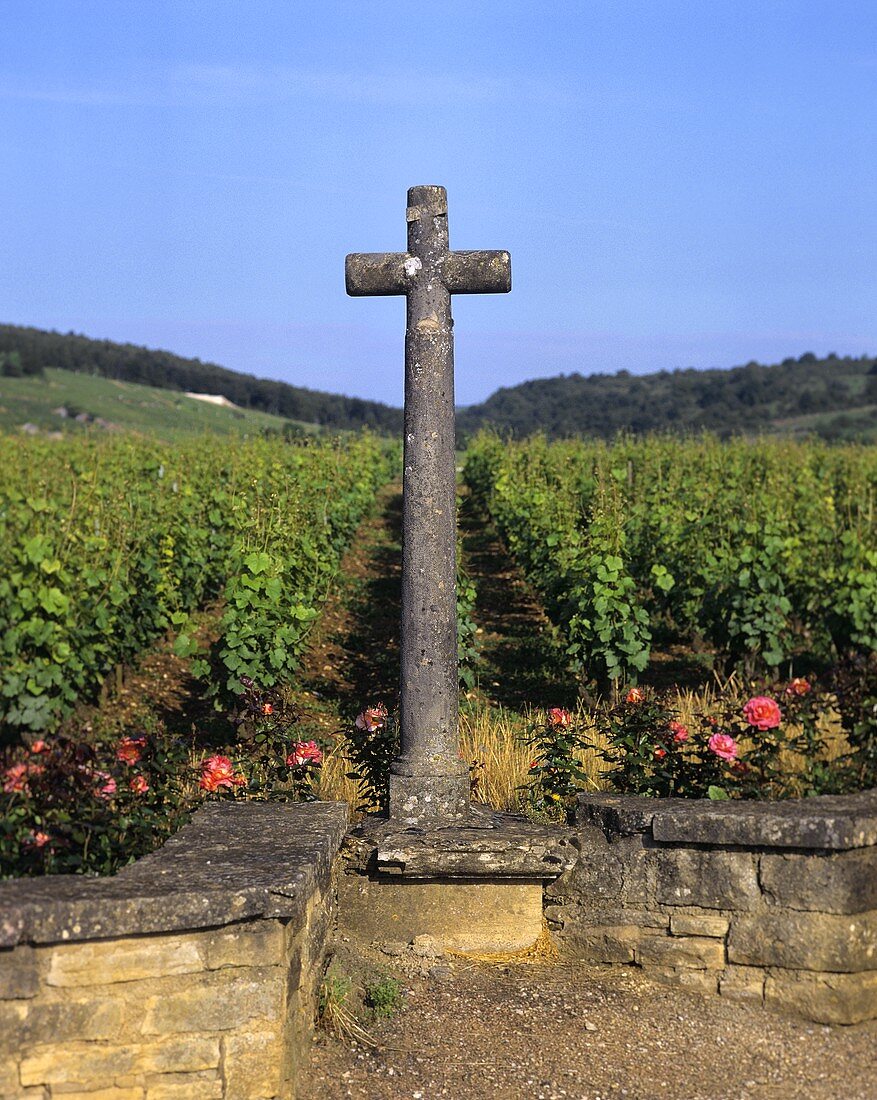
This legendary vineyard produces some of the most expensive and sought-after Pinot Noir wines in the world. It is a tiny plot covering just 1.8 hectares.
An esteemed site known for producing structured and complex wines that define the prestige of the region. It is a monopole vineyard.
A village celebrated for producing elegant, perfumed Pinot Noir that stands out for its finesse. It is located in the northern part of the region.
This village is home to nine Grand Cru sites and is renowned for the intensity and longevity of its red wines.
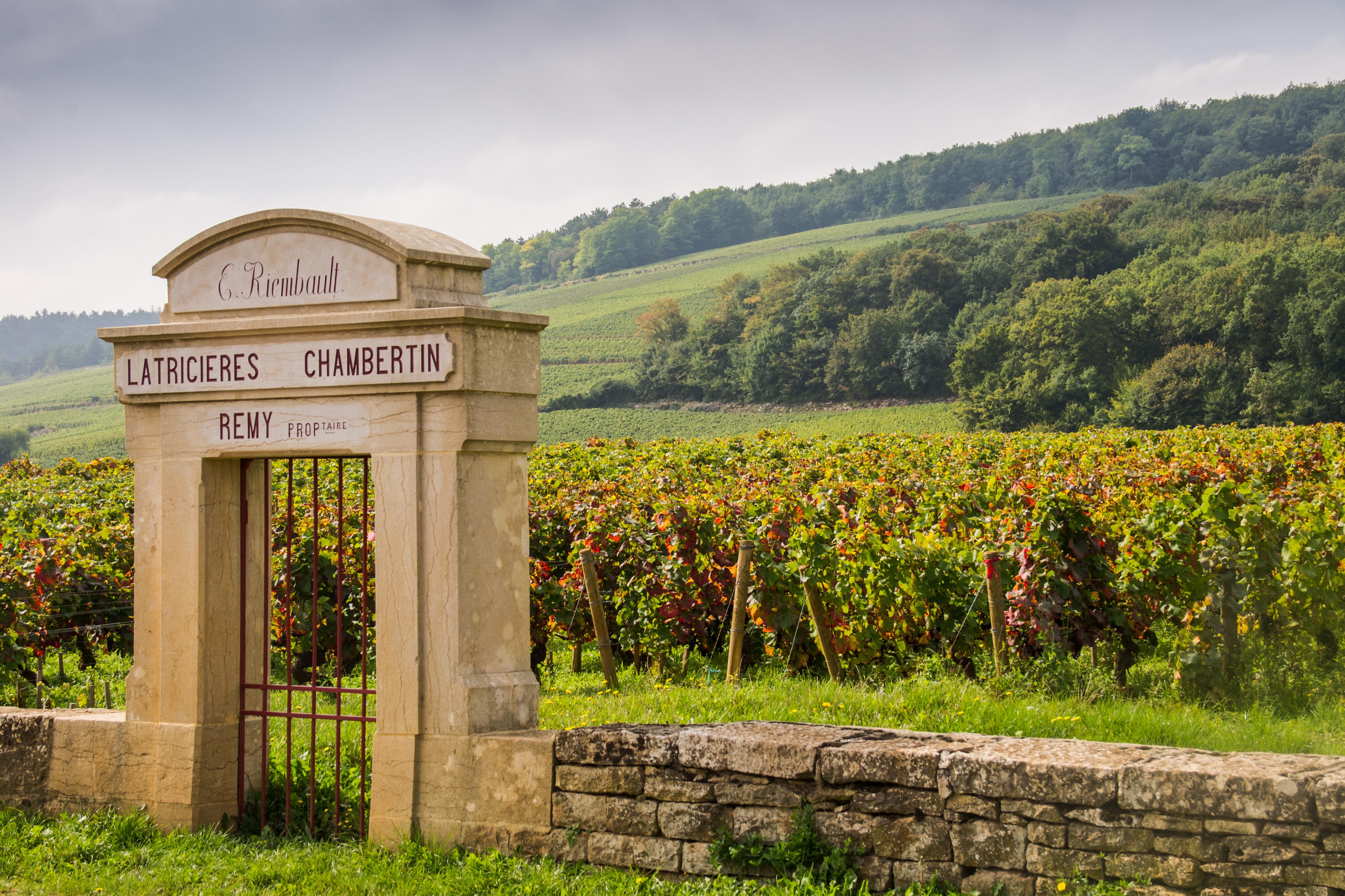
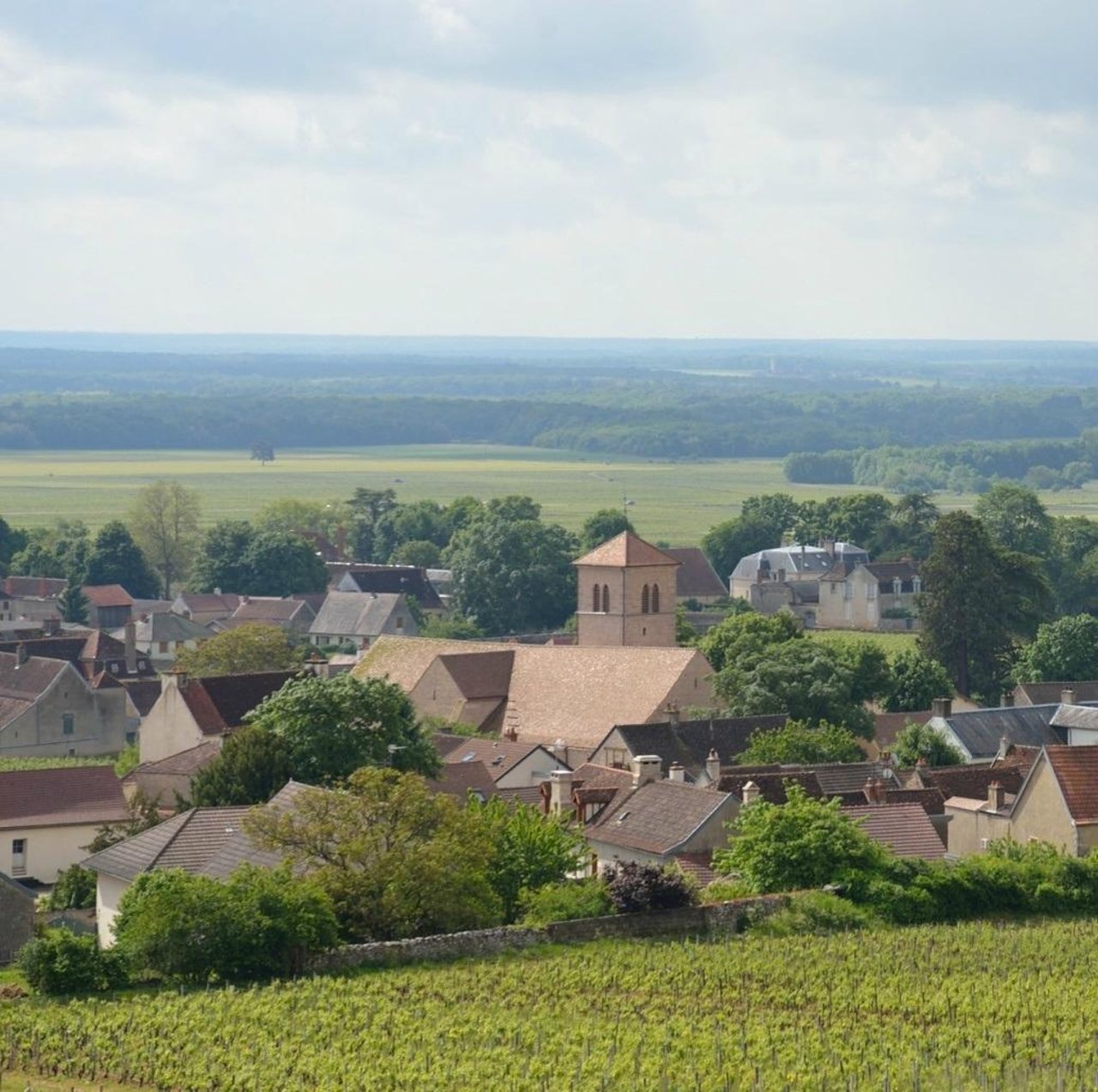
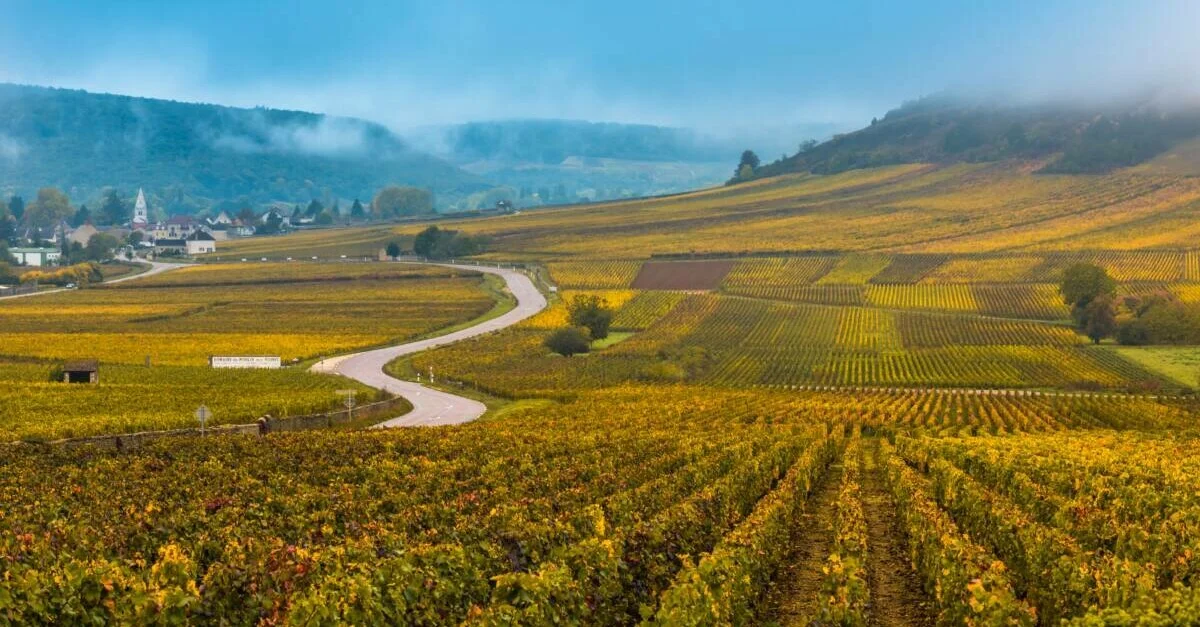
You begin your Côte de Nuits wine tour in Gevrey-Chambertin, where the Route des Grands Crus enters the appellation zone. Narrow roads curve past stone walls marking climat boundaries, each gate bearing hand-painted signs for Chambertin, Latricières, or Clos de Bèze.
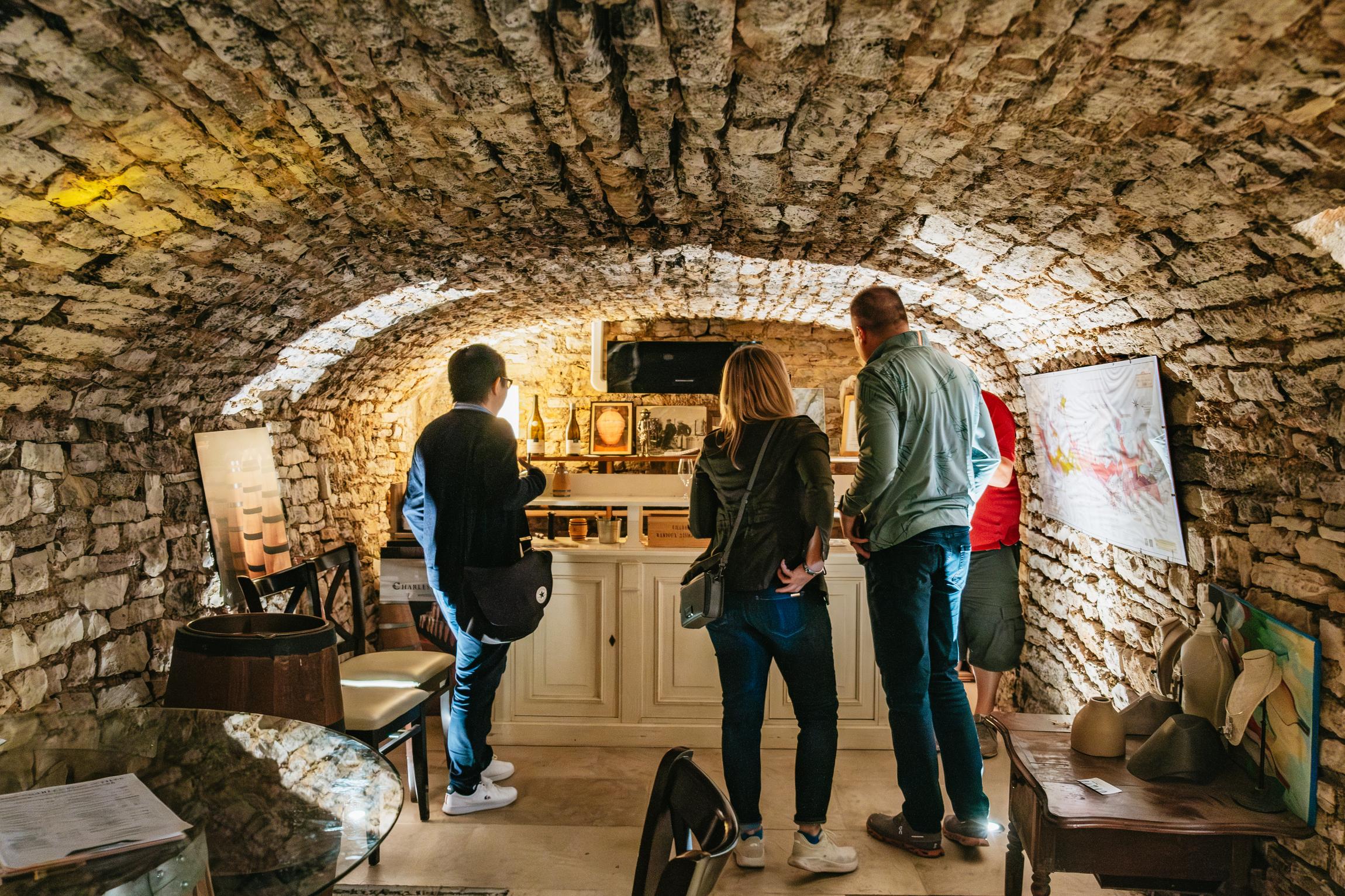
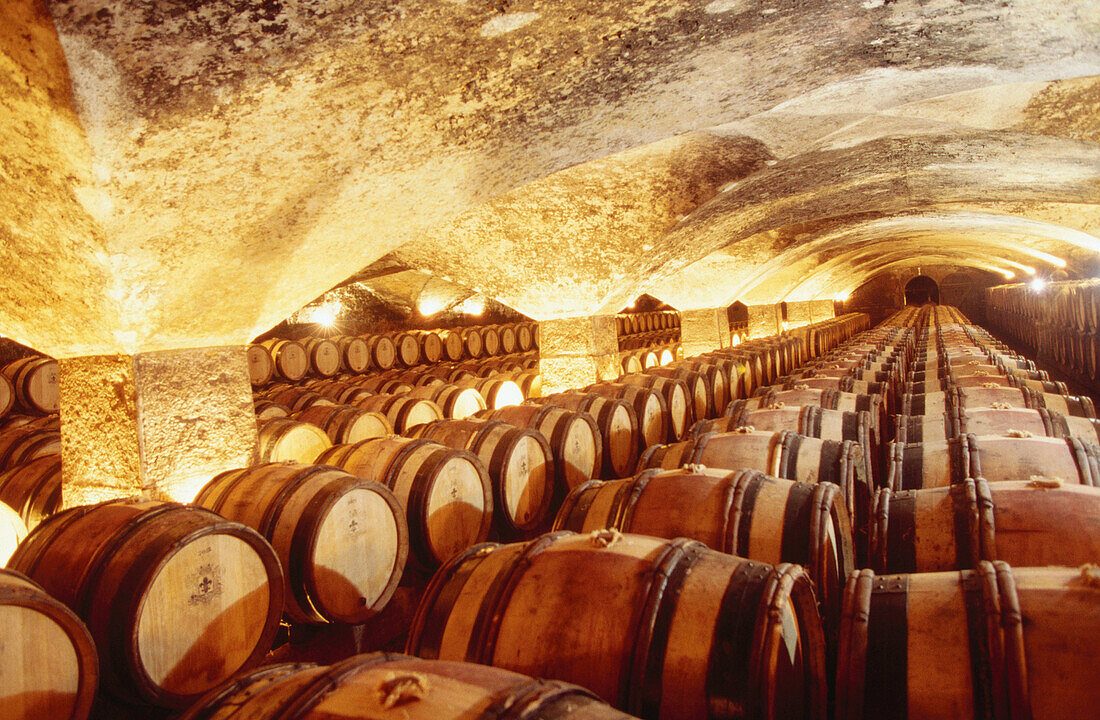
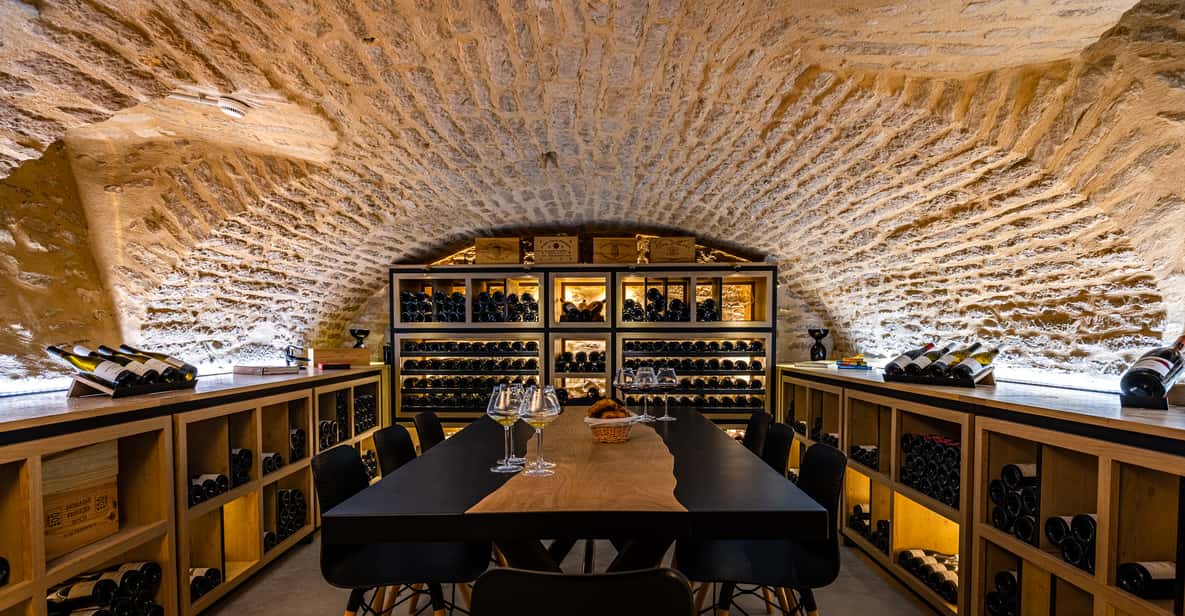
Your first tasting occurs in a vaulted cellar beneath a sixteenth-century manor, where the winemaker pours four vintages side by side, demonstrating how limestone minerality shifts across parcels separated by fifty metres.
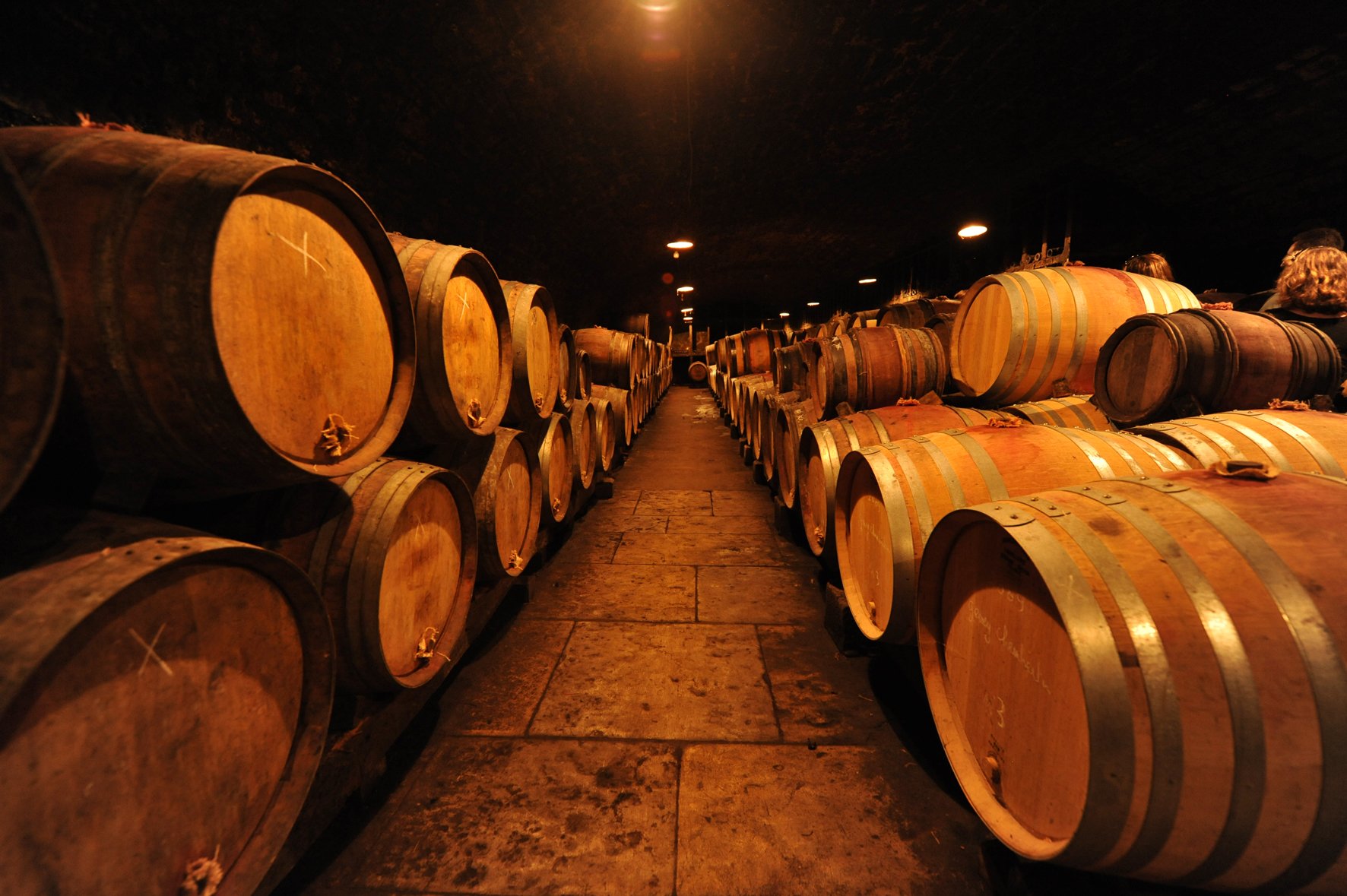
You drive south through Morey-Saint-Denis and Chambolle-Musigny, stopping to photograph the Clos de Vougeot château, its Renaissance facade framed by vine rows trained on low wooden stakes. Inside, oak barrels line the press hall where monks fermented grapes eight centuries ago. The tasting room overlooks the clos, and you sample a premier cru from vines planted in 1952, the wine showing dried cherry and earthy tannins.
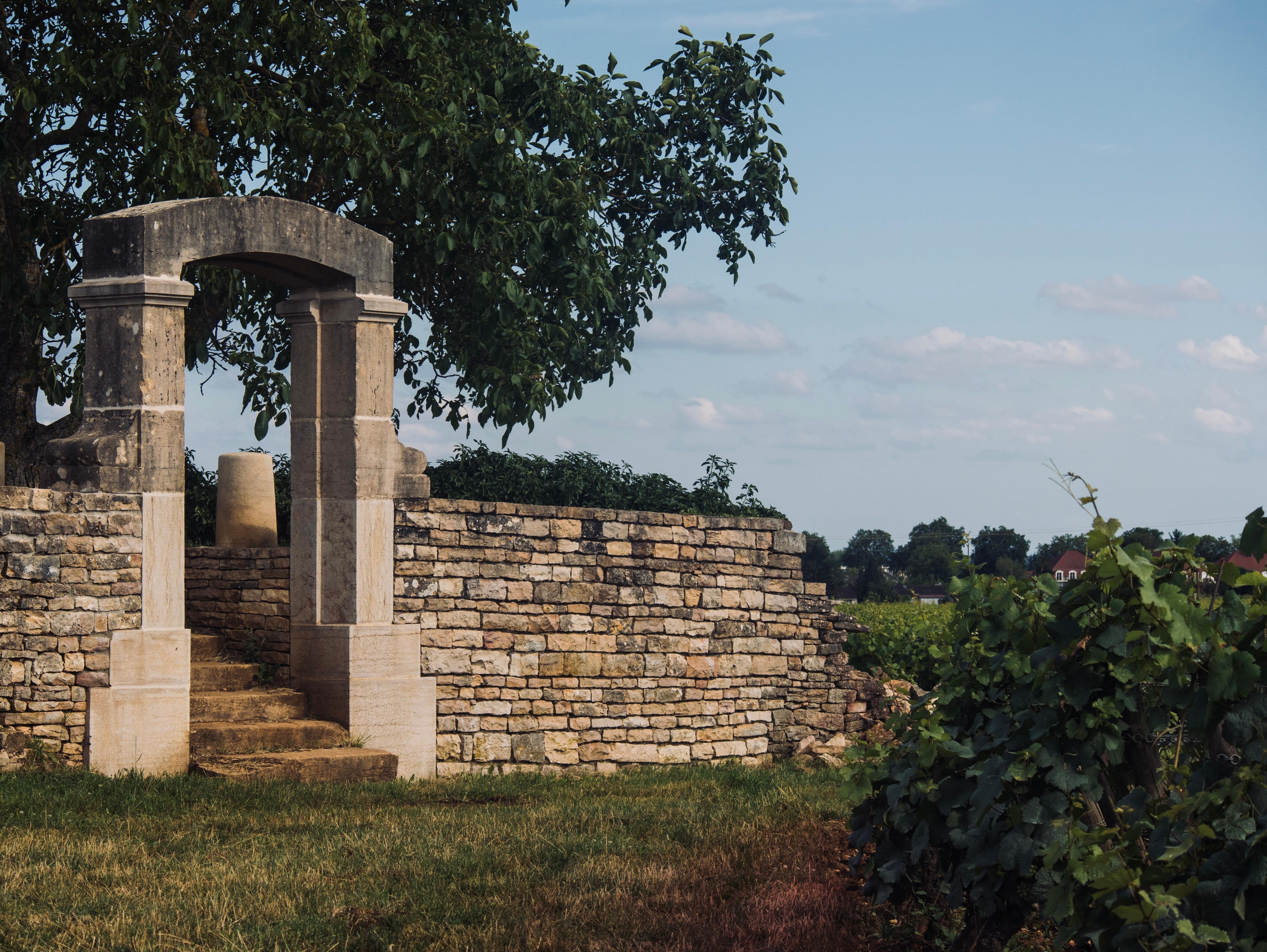
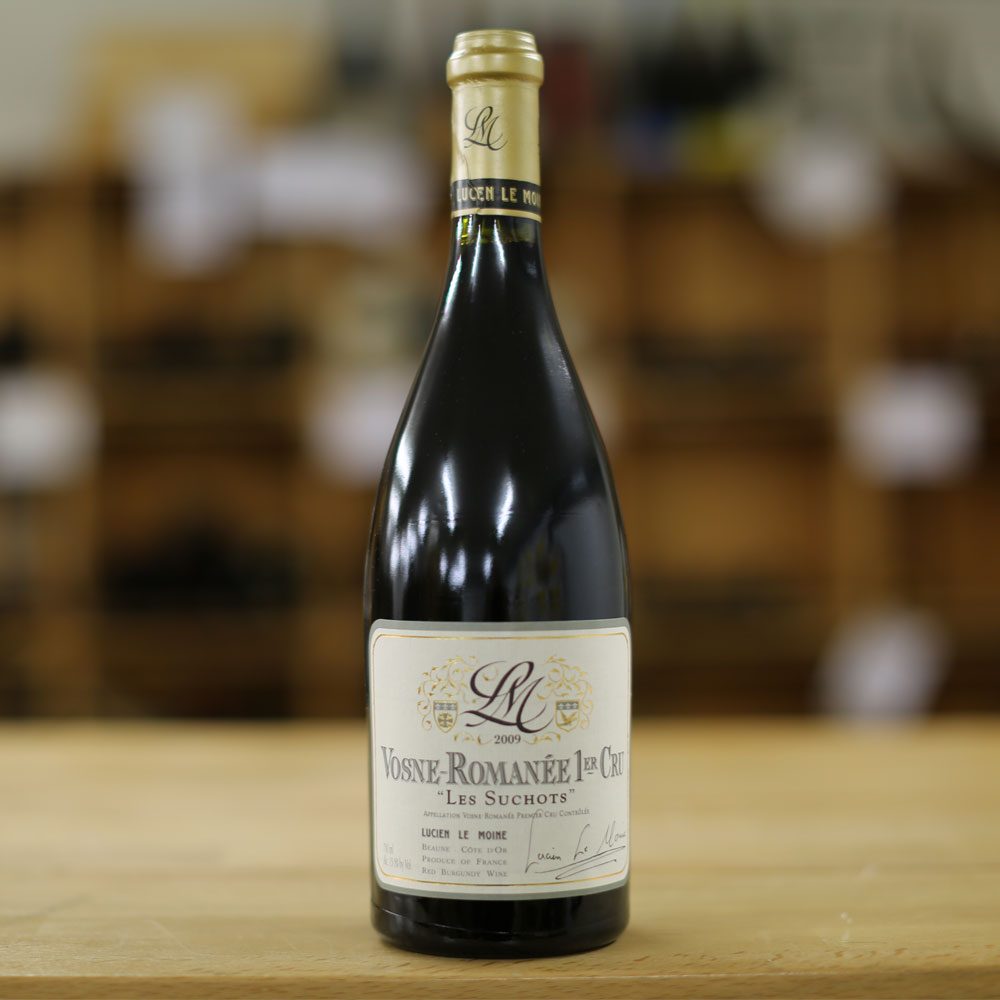
In Vosne-Romanée you walk the perimeter of Romanée-Conti, a modest rectangle surrounded by a low stone wall. The adjacent La Tâche vineyard stretches uphill, its vines barely a metre tall, gnarled and twisted from decades of pruning. Your final stop is Nuits-Saint-Georges, where a négociant cellar offers a vertical tasting of village-level wines from five consecutive harvests, illustrating how weather shapes acidity and fruit concentration year to year.
All the details about your upcoming adventure in one place
A cote de nuits wine tour explores the celebrated vineyards stretching from Marsannay to Corgoloin, where Pinot Noir reaches its finest expression across legendary appellations including Gevrey-Chambertin, Vosne-Romanée, and Nuits-Saint-Georges. Expert-led cote de nuits wine tour tours typically include tastings at family-run domaines, cellar visits revealing centuries-old winemaking traditions, and vineyard walks through climat parcels that have shaped Burgundy's reputation for terroir-driven excellence. Most experiences blend educational depth with sensory discovery, pairing premier cru and grand cru wines with insights into the region's Cistercian heritage and geological complexity.
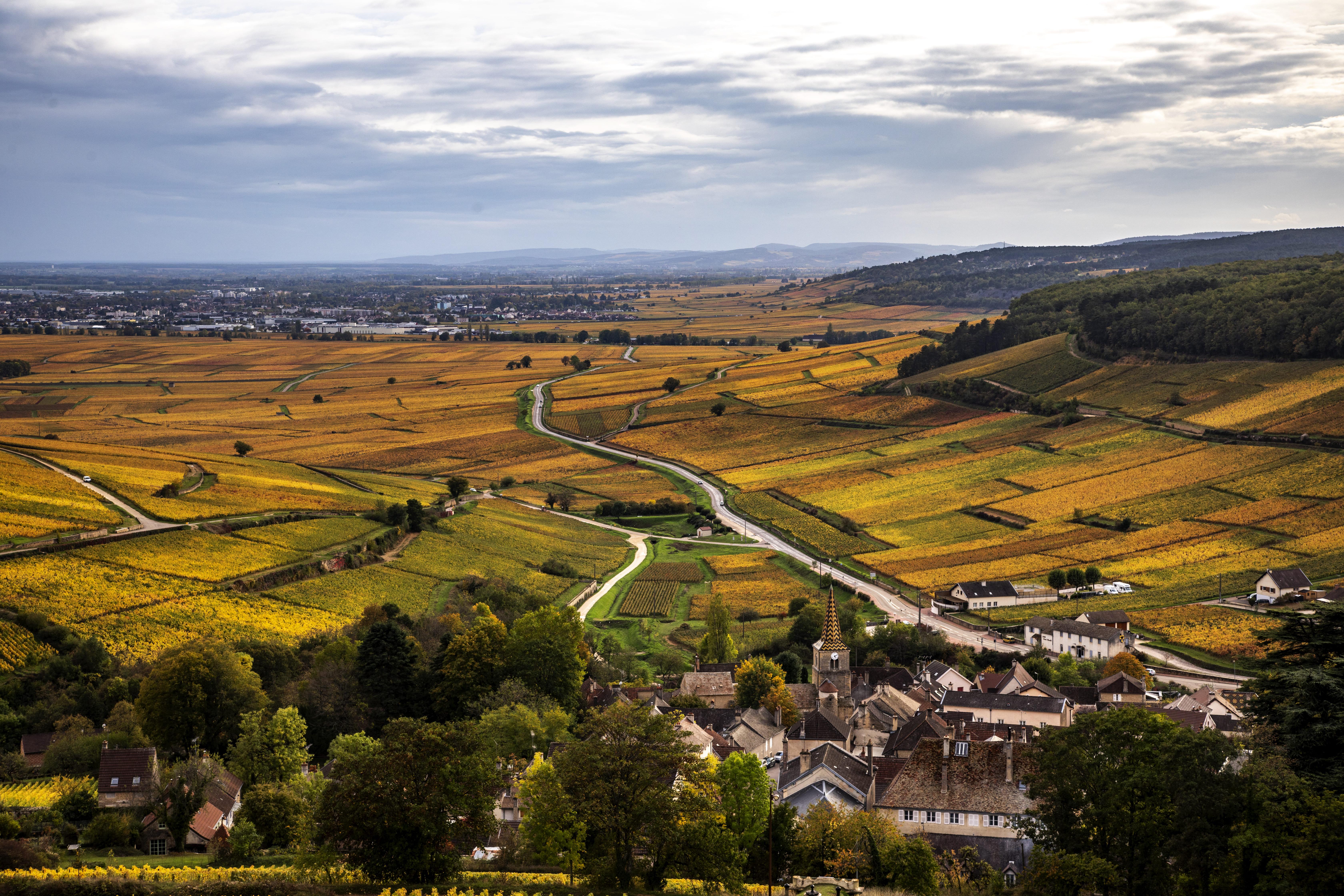
The Côte de Nuits wine region produces fewer than five million bottles annually, yet accounts for twenty-four of Burgundy's thirty-three red grands crus. This narrow limestone escarpment runs thirty-two kilometres from Marsannay-la-Côte south to Corgoloin, rarely exceeding two kilometres in width.
Cistercian monks mapped the terrain in the twelfth century, identifying the precise parcels where Pinot Noir vines draw mineral structure from Jurassic marl and Bathonian limestone. The difference between Côte de Nuits and Côte de Beaune lies in geology and output: Nuits sits on harder limestone and specializes almost exclusively in reds, while Beaune's softer soils yield both reds and world-class Chardonnay.
Today the route links eight appellations: Gevrey-Chambertin, Morey-Saint-Denis, Chambolle-Musigny, Vougeot, Vosne-Romanée, Nuits-Saint-Georges, and two smaller designations. Gevrey-Chambertin alone claims nine grands crus, including Chambertin and Clos de Bèze, both planted before the French Revolution. Vosne-Romanée shelters the 1.8-hectare Romanée-Conti monopole, consistently the most expensive vineyard on earth. Clos de Vougeot's fifty-hectare walled vineyard was established by Cistercian monks in 1336 and remains the region's largest single grand cru parcel. The Côte de Nuits wine map reveals a patchwork of climat boundaries so precise that a single row of vines can separate premier cru from village-level designations.
Côte de Nuits wine characteristics centre on structure and longevity. The region's reds age twenty to forty years in optimal conditions, developing secondary notes of forest floor, leather, and black tea. Tannins emerge firm in youth, softening slowly as the wines gain tertiary complexity. Most estates practice sustainable viticulture, with hand-harvesting standard across grand cru parcels. Fermentation occurs in open-top wooden vats, followed by twelve to eighteen months in French oak barrels. New oak percentages vary by producer philosophy, ranging from fifteen to one hundred percent.
Côte de Nuits wine prices reflect scarcity and global demand. Village-level bottles start near thirty euros, premiers crus between sixty and one hundred fifty euros, and grands crus routinely exceed three hundred euros. Allocation systems govern access to top domaines; many require advance reservations and impose purchase minimums. The region receives approximately two hundred thousand wine tourists annually, concentrated between April and October. Harvest occurs in September, when many cellars close to visitors. The Côte de Nuits wine folly phenomenon—enthusiasts chasing rare labels—has driven secondary market speculation, with some bottles appreciating faster than equities.
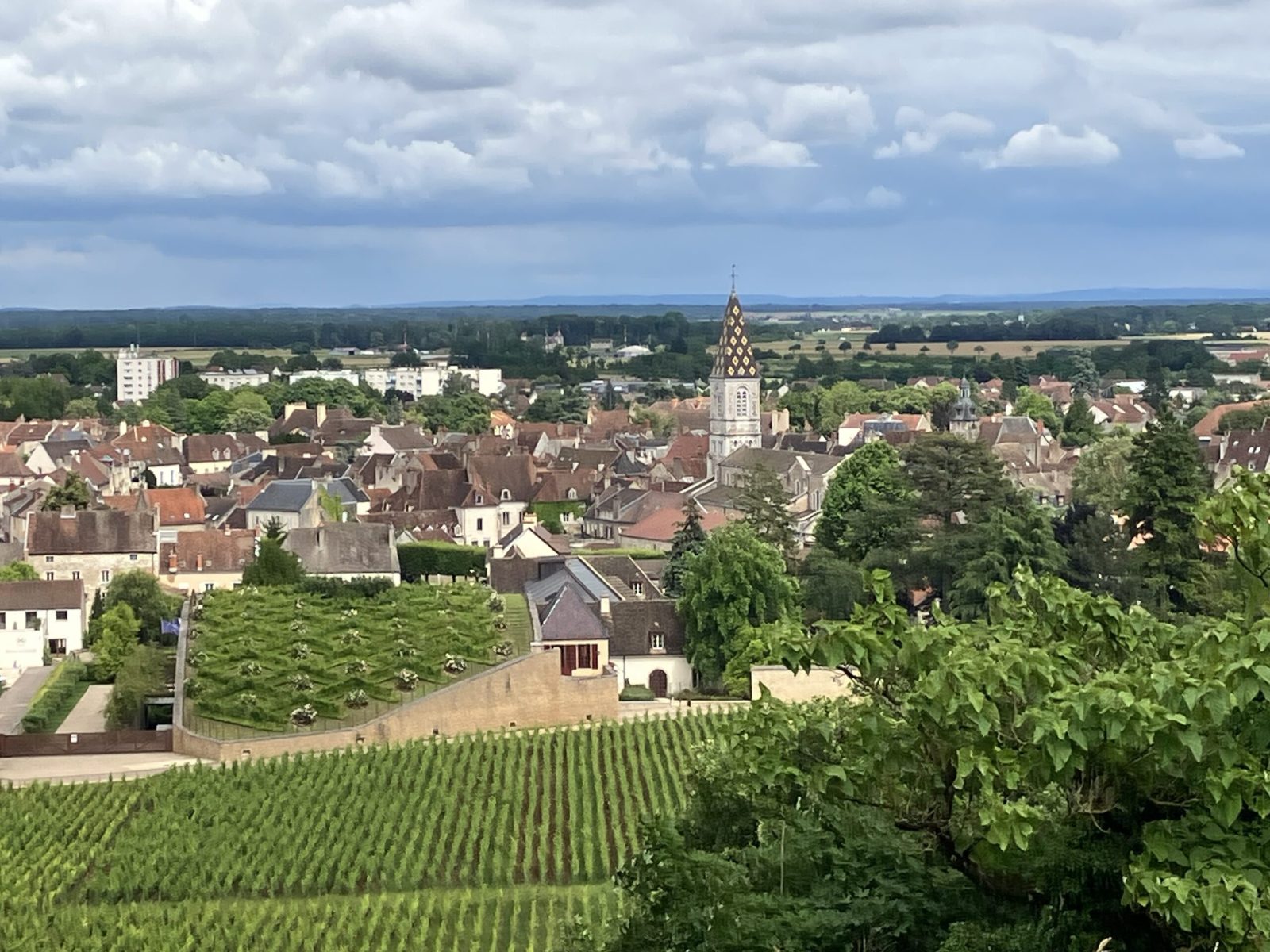
Cistercian monks mapped the terrain in the twelfth century, identifying the precise parcels where Pinot Noir vines draw mineral structure from Jurassic marl and Bathonian limestone.
Casual and comfortable attire is recommended for a cote de nuits wine tour. Sturdy walking shoes are essential for exploring the uneven terrain of vineyard paths.
Small day packs are allowed during your cote de nuits wine tour. Note that large luggage is generally prohibited inside private tasting cellars.
Photography is encouraged throughout the public landscapes and designated viewing areas of your cote de nuits wine tour. Please respect the privacy of private domaines by asking permission before photographing winery staff.
Families are welcome, though children should be supervised closely near active vineyard machinery. Ensure your cote de nuits wine tour itinerary includes family-friendly cellar stops.
The office location provides full accessibility for visitors with reduced mobility. Many local vineyard paths are gravel and may require assistance for wheelchair users on a cote de nuits wine tour.
Consumption of food is limited to designated picnic areas or participating restaurant partners. Do not bring outside snacks into the private tasting rooms of your cote de nuits wine tour.
Opening Hours
09:00–18:00
Address
Office de Tourisme, Gevrey-Chambertin and Nuits-Saint-Georges, Burgundy, France
Accessibility
Full access for visitors with reduced mobility
Best arrival window
09:00–11:00
Regional Context
Located between Dijon and Corgoloin
Car · 60 min total route · Parking fees apply
Follow the Route des Grands Crus which connects the villages directly.
Public transport · 45 min · Varies by ticket class
Regional trains serve stations in Gevrey-Chambertin and Nuits-Saint-Georges.
Individual winery appointments often require 48-hour cancellation notice for a full refund. Entry to the public region is 0 EUR.
Recommended time
Half a day
A cote de nuits wine tour requires careful scheduling, as individual estates manage their own appointments for tastings. We suggest a half-day commitment to explore this prestigious terroir, allowing sufficient travel time between vineyard estates. The best arrival window is 09:00–11:00 to avoid mid-day crowds and ensure a seamless experience. Visitors seeking cote de nuits wine tour tickets for private cellar visits should book well in advance, while those interested in cote de nuits wine tour tour packages should prioritize early sessions to see the limestone cellars at their quietest. Balancing your appointments with the cote de nuits wine tour tours will ensure you have time to appreciate the complex Pinot Noir profiles without feeling rushed.
Crowd levels through the day
Weather · crowds · average price — dots go green to amber to red as each metric rises.
Mild temperatures, perfect for walking the vineyards before the busy summer months.
Warm weather, ideal for estate events and peak vineyard growth cycles.
Harvest season offers a vibrant landscape; excellent for watching the grape picking process.
Quieter period, providing intimate, uncrowded access to winery cellars.
Popular domaines for your cote de nuits wine tour fill up months in advance during the harvest season.
Stick to the Route des Grands Crus to see the most iconic vineyard signs.
Research the difference between Premier Cru and Grand Cru before your cote de nuits wine tour arrival.
The climate can shift rapidly in the vineyards; always bring an extra layer for your cote de nuits wine tour.
The 09:00–11:00 window is optimal for a cote de nuits wine tour to miss mid-day tour bus crowds.
1 Rue Gaston Roupnel, Gevrey-Chambertin
Primary hub for regional information
Get directionsThe Cistercian monks of Cîteaux Abbey planted the first vineyards along the Côte de Nuits in 1098, enclosing their Clos de Vougeot parcel behind stone walls that still stand. They documented soil variation with forensic precision, tasting each harvest plot by plot and mapping which slopes yielded wines of structure versus charm. By the thirteenth century their cellar records distinguished between Chambertin and Romanée parcels, establishing the terroir vocabulary that defines every cote de nuits wine tour today. The monks sold their holdings during the French Revolution, fragmenting the domaines into the mosaic of small family producers that now characterizes Burgundy viticulture. Phylloxera arrived in 1878 and destroyed ninety percent of the vines within a decade. Growers replanted on American rootstock but the recovery was uneven—many parcels in Vosne-Romanée and Gevrey-Chambertin lay fallow until the 1920s. The 1936 appellation contrôlée system codified the monks' terroir classifications into law, designating thirty-three Grand Cru and Premier Cru vineyards within the Côte de Nuits. That legal framework transformed wine tours from casual tastings into structured pilgrimages through ranked climats, each bottle now carrying geographic specificity enforced by the French state. Domaine de la Romanée-Conti acquired its monopole parcel in 1869 and has since become the most scrutinized vineyard in the world, with bottles from single vintages trading above ten thousand euros. The domaine's biodynamic practices, adopted in 1985, influenced a generation of neighboring producers to abandon chemical treatments. Today the region balances medieval land divisions with modern precision viticulture—GPS-guided tractors navigate plots smaller than a hectare, and winemakers consult the same harvest diaries the Cistercians kept nine centuries ago. That tension between inherited geography and contemporary technique gives depth to visits across Nuits-Saint-Georges, Chambolle-Musigny, and the surrounding communes.
Cistercian monks from Cîteaux Abbey plant the first Pinot Noir vines and enclose Clos de Vougeot.
Monastic cellar records distinguish Chambertin and Romanée parcels by terroir characteristics.
Revolutionary government auctions monastery vineyards, fragmenting estates into small family domaines.
Phylloxera epidemic destroys ninety percent of vines; replanting on American rootstock takes decades.
Appellation d'origine contrôlée laws codify thirty-three Grand Cru and Premier Cru sites in the Côte de Nuits.
Domaine de la Romanée-Conti adopts biodynamic viticulture, influencing regional practices.
Precision viticulture tools are deployed across medieval parcel boundaries, blending tradition with technology.
Exploring the Burgundy vineyards on a cote de nuits wine tour offers families a chance to enjoy the scenic landscape of these famous wine estates. While the region is primarily adult-focused, the open countryside allows for relaxed outings if you manage your schedule effectively.
Plan your day to arrive between 09:00–11:00 to avoid mid-day crowds and ensure you meet your winery appointments without rushing. This early start helps keep the experience manageable when considering cote de nuits wine tour tours with children in tow
Many village paths and vineyard trails are uneven, so a sturdy, all-terrain stroller is recommended over a lightweight model. For deeper vineyard access during a cote de nuits wine tour tour, a baby carrier is often more practical than a stroller
Public restrooms are available at the Office de Tourisme in Gevrey-Chambertin and Nuits-Saint-Georges, though baby-change facilities are limited in smaller venues. Always check if you need cote de nuits wine tour tickets for specific educational workshops, as some sites offer family-oriented vineyard walks
This region is best suited for older children who can appreciate nature and cultural landscapes, as many tastings are restricted to adults. Teenagers may enjoy learning about the history of the terroir, which serves as a central component of this UNESCO heritage site
Pack snacks and water, as dining options vary significantly between villages and may have long service hours. Local boulangeries are reliable spots to grab quick items before heading out to the surrounding vineyards.
Finding a high-quality meal during your cote de nuits wine tour is simple, as both Gevrey-Chambertin and Nuits-Saint-Georges host exceptional bistros that focus on seasonal Burgundy fare. Many local establishments pair their regional cuisine with extensive wine lists, making it easy to continue your exploration of local terroirs while you eat.
Located in a historic building, this bistro offers classic dishes like parsley ham and snails, making it a perfect stop for those seeking authentic cote de nuits wine tour tickets; booking is recommended for the terrace.
Real experiences from real travelers
Our guide took us through three family-owned domaines in Gevrey-Chambertin and Vosne-Romanée. The limestone terroir explanations made sense once we tasted the minerality in each glass. Lunch paired with village-level wines was simple but memorable.
Visited four estates on our cote de nuits wine tour including a grand cru plot. The winemaker at Domaine Trapet walked us through his biodynamic practices while we sampled from barrel. Morning light across the vineyards was exceptional.
The cellar visits felt personal rather than commercial. Our sommelier explained climat classifications while we stood in the actual parcels. Tasting premier cru pinot noir in the same room where it ages gave context no book could provide.
Covered good ground from Marsannay to Nuits-Saint-Georges. The cave temperatures were perfect for tasting but wear layers. Would have appreciated more time at the final domaine where the 2023 vintage showed real promise.
Our Burgundy wine experience focused on smaller producers who actually work the vines themselves. Lunch overlooking the Clos de Vougeot felt timeless. The guide knew which cellars to visit for honest pours rather than tourist samples.
Started at a cooperative in Fixin then moved to family estates. The owner at our third stop opened a 2015 bottle to show how these wines develop. Driving through the Route des Grands Crus at harvest time added unexpected beauty.
This cote de nuits wine tour arranged tastings at domaines that don't typically accept walk-ins. The vigneron in Chambolle-Musigny explained pruning techniques while we stood among century-old vines. Her village wine rivaled many premier crus.
Beyond the tastings, understanding the slope angles and soil composition changed how I perceive Burgundy wines. We sampled eight different pinots from parcels within a kilometer of each other. The subtle differences were remarkable.
Group of six meant real conversations with producers. The cellar master at our second stop showed us his grandfather's handwritten fermentation notes from 1947. Tasting directly from tank gave perspective on the winemaking timeline.
Our guide arranged a private barrel tasting at a domaine producing some of the region's finest premier cru. Walking the limestone paths between Vosne-Romanée and Flagey-Échézeaux at dawn made the appellation system finally click.
Everything you need to know for your journey
The Office de Tourisme operates daily from 09:00–18:00 to assist with your cote de nuits wine tour.
The regional visitor center is fully accessible, though some private vineyard paths on your cote de nuits wine tour may be uneven.
Yes, private estates for a cote de nuits wine tour require advance reservations to guarantee access to the cellars.
Entry to the region is 0 EUR, allowing you to enjoy the landscape of a cote de nuits wine tour without upfront costs.
Yes, you may capture memories during your cote de nuits wine tour, provided you respect private estate privacy policies.
Casual, layered clothing and comfortable walking shoes are best for a cote de nuits wine tour.
Yes, local restaurants near the cote de nuits wine tour route provide various seasonal Burgundy dishes.
The office is located in Gevrey-Chambertin, easily reachable by car or train for your cote de nuits wine tour.
Children are welcome on a cote de nuits wine tour, though supervised safety is essential near the active vines.
A historic monument representing the heart of Burgundy wine history.
An ancient monastery ruin set amongst the iconic vines.
A local center for exhibitions and wine events in Gevrey-Chambertin.
The site of one of the world's most renowned Pinot Noir plots.
Modern wellness-focused stay in the heart of Vosne-Romanée.
Intimate hotel located in a quiet corner of Gevrey-Chambertin.
Historic castle hotel offering a traditional Burgundian experience.
Join thousands of happy travelers who have discovered this incredible experience
Book Your Experience Now