2 hr 30 min
Côte de Nuits Vineyard Discovery
- Entry ticket
- Mobile voucher
- Valid same day
- Free cancellation
Côte de Nuits Tour — Grand Cru Vineyards & Tastings
Limestone slopes where Pinot Noir defines Burgundy, village by village
Compare fares, pick the fit — all bookings are mobile-voucher and eligible for free cancellation where shown.
2 hr 30 min
4 hr
5 hr
Selecting the right cote de nuits tour depends on whether you prefer a comprehensive full-day deep dive or a condensed exploration of Burgundy vineyards. As this region is a public wine district, these curated excursions provide the structured access and cellar expertise needed to navigate the local terroir.
| Half-Day Experience Vineyard Focused |
Top pick Full-Day Immersion Winery & Tasting |
Private Estate Tour Bespoke Access | |
|---|---|---|---|
| Duration | 4 hours | 8 hours | 6–8 hours |
| Tastings Included | 3–4 wines | 6–18 wines | Custom selection |
| Access Method | Guided Minivan | Guided Minivan | Private Vehicle |
| Wait Time | None (Pre-booked) | None (Pre-booked) | None (Private appointment) |
| What is Included | Cellar visit & tasting | Lunch & vineyard tour | Estate & domaine access |
| Best for | Time-sensitive visitors | First-timers | Wine connoisseurs |
| See tickets & prices |
Verdict: For the most complete view of the region, the Full-Day Immersion cote de nuits tour tickets offer the best balance of cellar visits, wine tastings, and educational value.
Worth it for wine lovers seeking expert guidance
A Cote de Nuits tour delivers curated access to Burgundy's most prestigious wine villages—Gevrey-Chambertin, Vosne-Romanée, Nuits-Saint-Georges—where Grand Cru vineyards produce some of the world's most coveted Pinot Noir. Half-day options from Dijon start around €70-90, offering three to four winery visits with tastings, while full-day Burgundy wine tours extend the experience across both Côte de Nuits and Côte de Beaune appellations. The value hinges on tasting room access: many domaines require appointments or charge €20-40 per tasting independently, and navigating narrow vineyard roads without local knowledge wastes time. Guided tours handle logistics, provide context on terroir and winemaking traditions, and often secure cellar visits unavailable to walk-ins. For casual sippers, the free Côte de Nuits vineyard drive offers stunning views without the investment. Serious oenophiles, however, gain irreplaceable context on climats, appellation hierarchy, and vintage nuances that transform tasting into education.
Bottom line: Book a Côte de Nuits wine tour if you value expert curation over self-guided flexibility—the appellation rewards preparation more than spontaneity.
They complement each other; most visitors who do both call the Côte de Nuits the more profound experience for red wine enthusiasts. Exploring this iconic Burgundy vineyard district offers a distinct contrast to the white wine focus of its southern neighbor.
|
Top pick Côte de Nuits |
Côte de Beaune | |
|---|---|---|
| Primary Wine Style | Full-bodied Red Pinot Noir | Elegant White Chardonnay and Red;Vineyard Character |
| See tickets & prices |
Verdict: Choose a cote de nuits tour if you seek world-class red wines, while the Côte de Beaune is ideal for those prioritizing prestigious white varietals and diverse terroir exploration.
Hand-picked experiences loved by thousands of travelers
7 hours
Free Cancellation
Explore renowned vineyards, taste prestigious wines, and discover Beaune's historic charm on this guided day trip
8.5 hours
Free Cancellation
Full-day guided exploration of prestigious vineyards with expert-led samplings across iconic appellations
3 hours
Free Cancellation
Journey through Burgundy's legendary Grand Crus Route with tastings at a local cellar or estate.
5.5 - 7 hours
Free Cancellation
Full-day journey through Côte d'Or's vineyards, family wineries, and medieval villages with tastings and local lunch
6.5 - 7 hours
Free Cancellation
Cycle through Côte de Beaune's famous wine country, taste at family estates, and savor a traditional lunch
3 hours
Free Cancellation
Pedal through prestigious wine country, explore historic villages, and savor regional delicacies
8 hours
Free Cancellation
Explore Burgundy's legendary wine regions with a sommelier guide, visiting family estates and the UNESCO Route des Grands Crus
4 hours
Free Cancellation
Half-day guided journey through Burgundy's most celebrated vineyards with cellar tastings
Explore the northernmost Grand Cru vineyards
Visit the namesake village and local cellars
Walk through iconic Pinot Noir plots
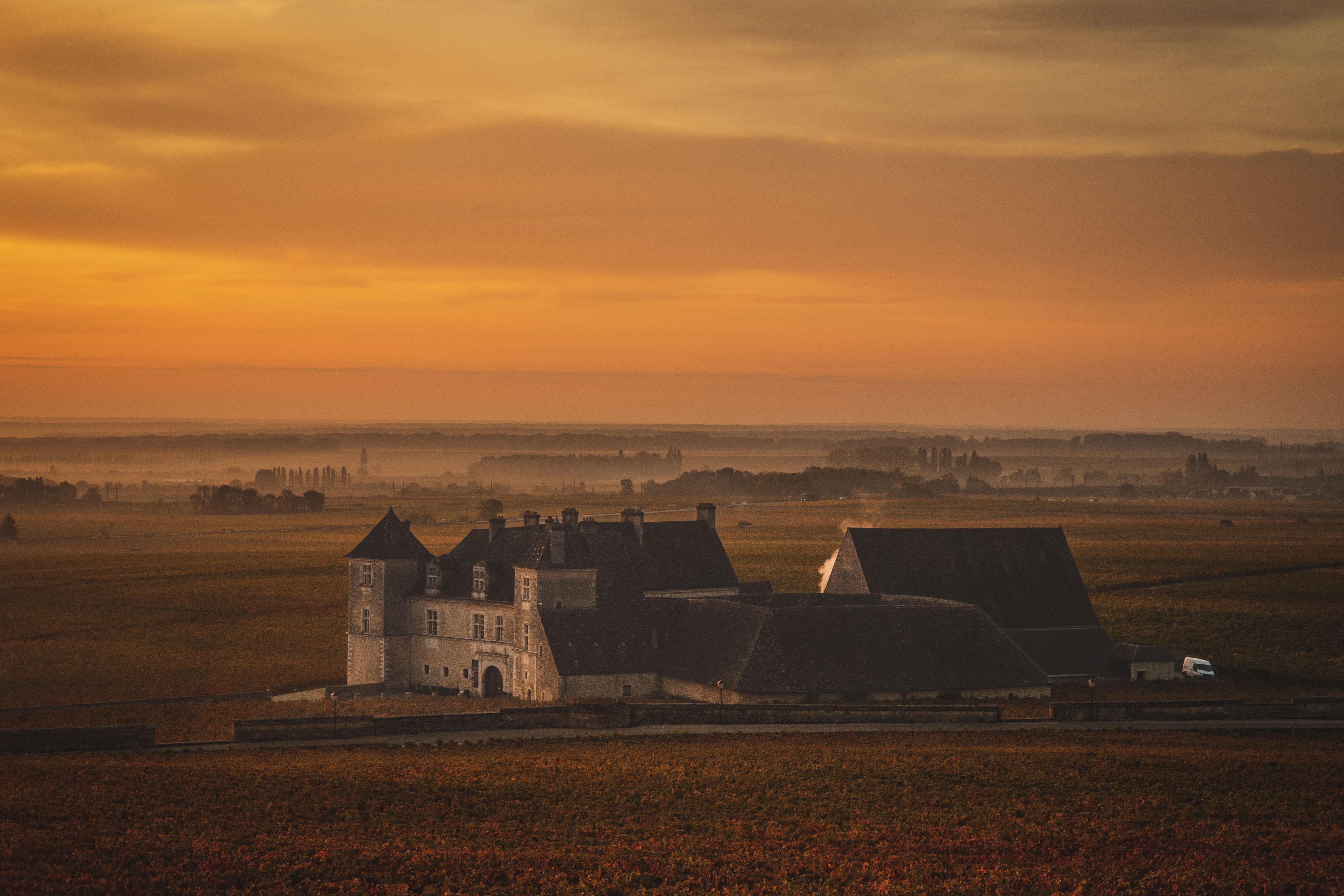
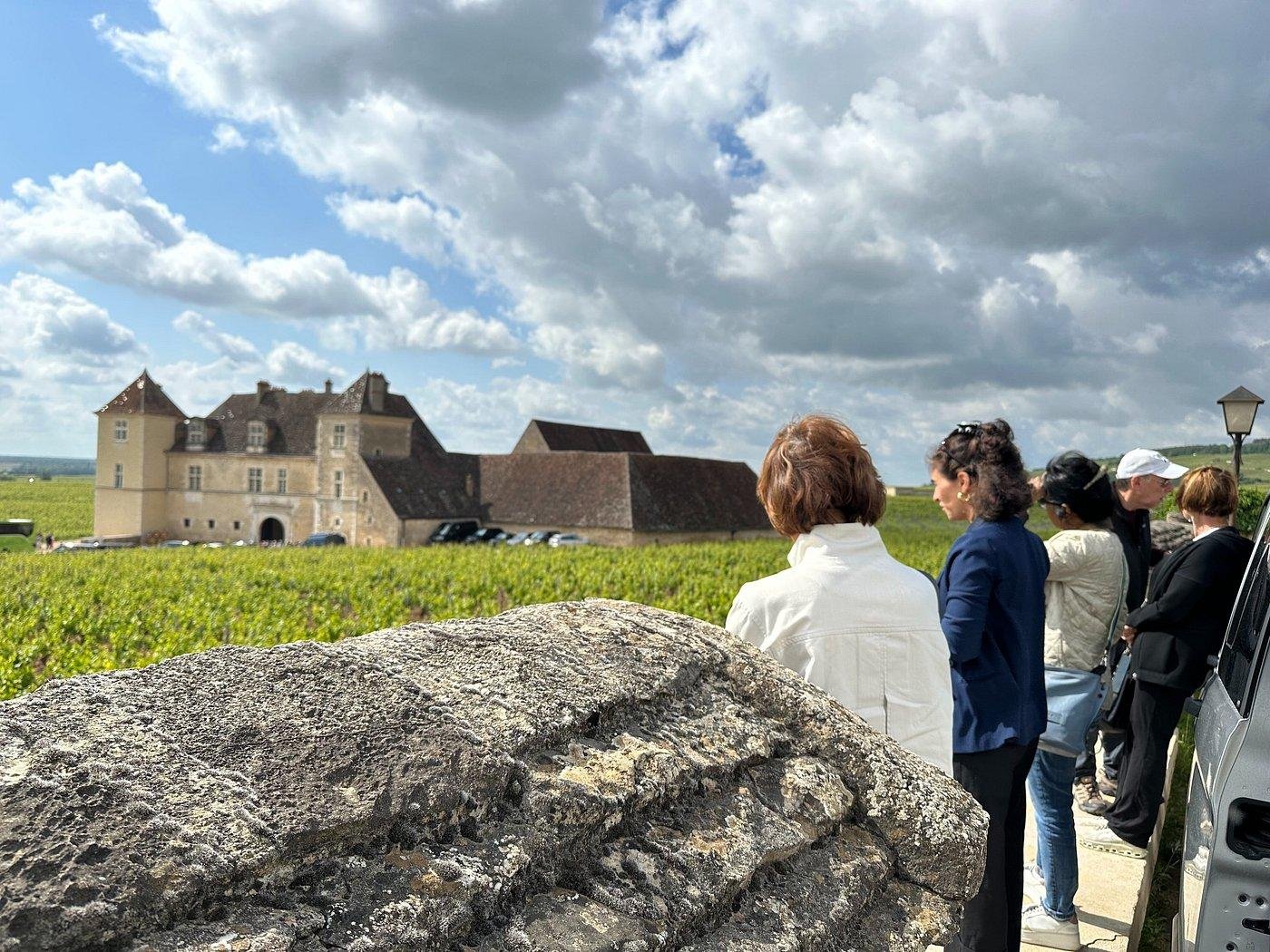
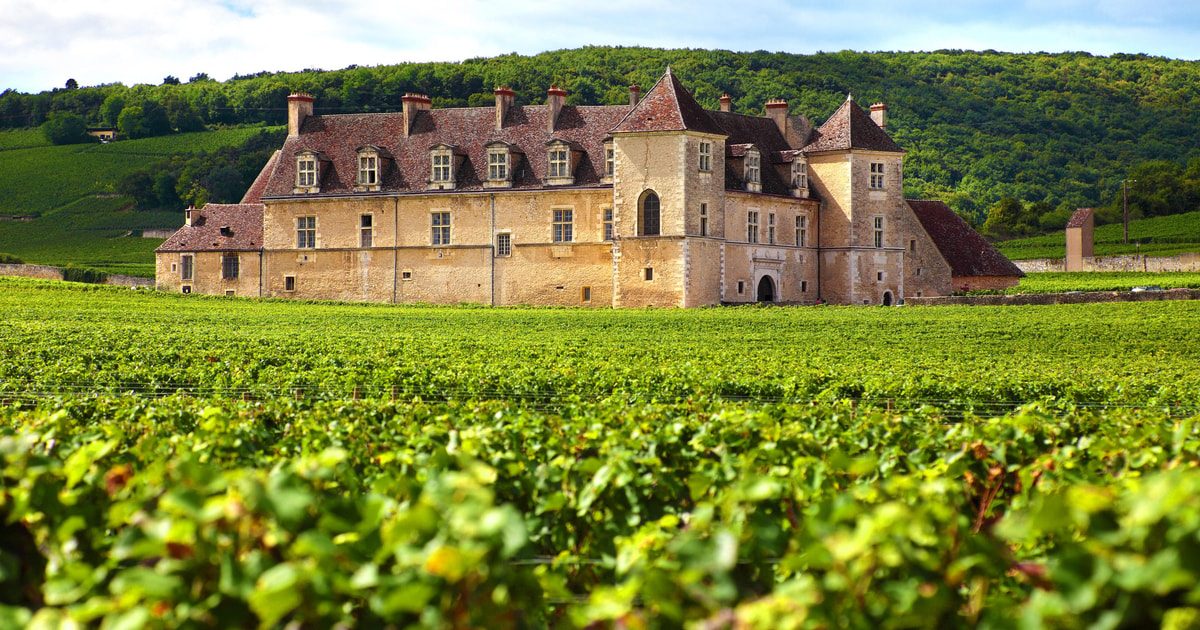
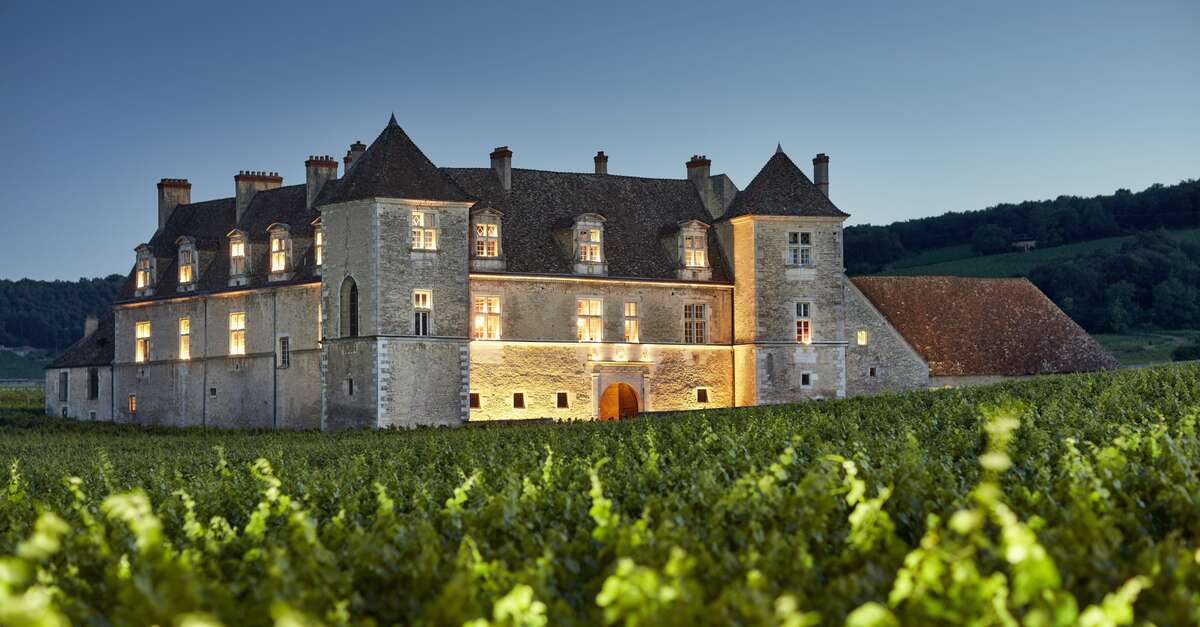
This historic site was built by monks in the 12th century and serves as the seat of the Confrérie des Chevaliers du Tastevin.
This village contains the largest number of Grand Cru appellations in the Côte de Nuits region.
Known for producing some of the most prestigious wines, these plots represent the pinnacle of Burgundy terroir.
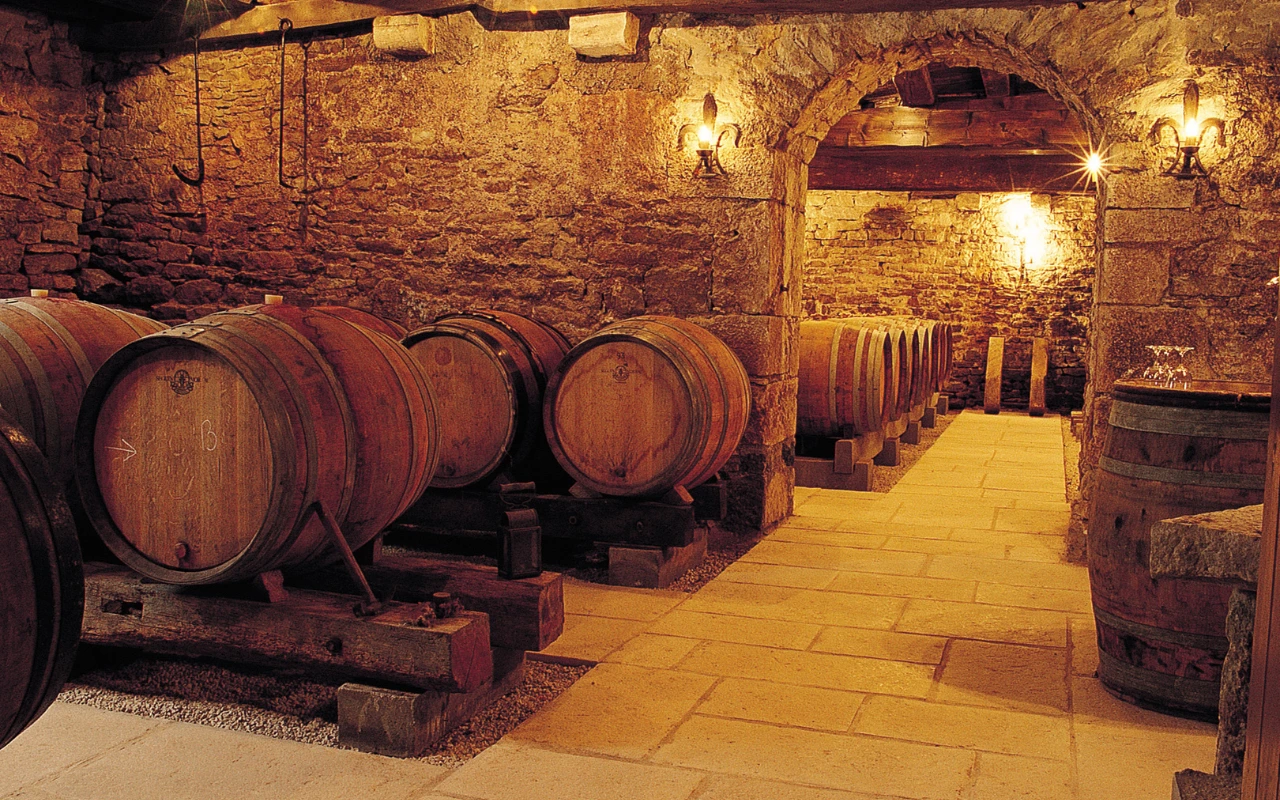
This town lends its name to the district and features numerous historical underground cellars.
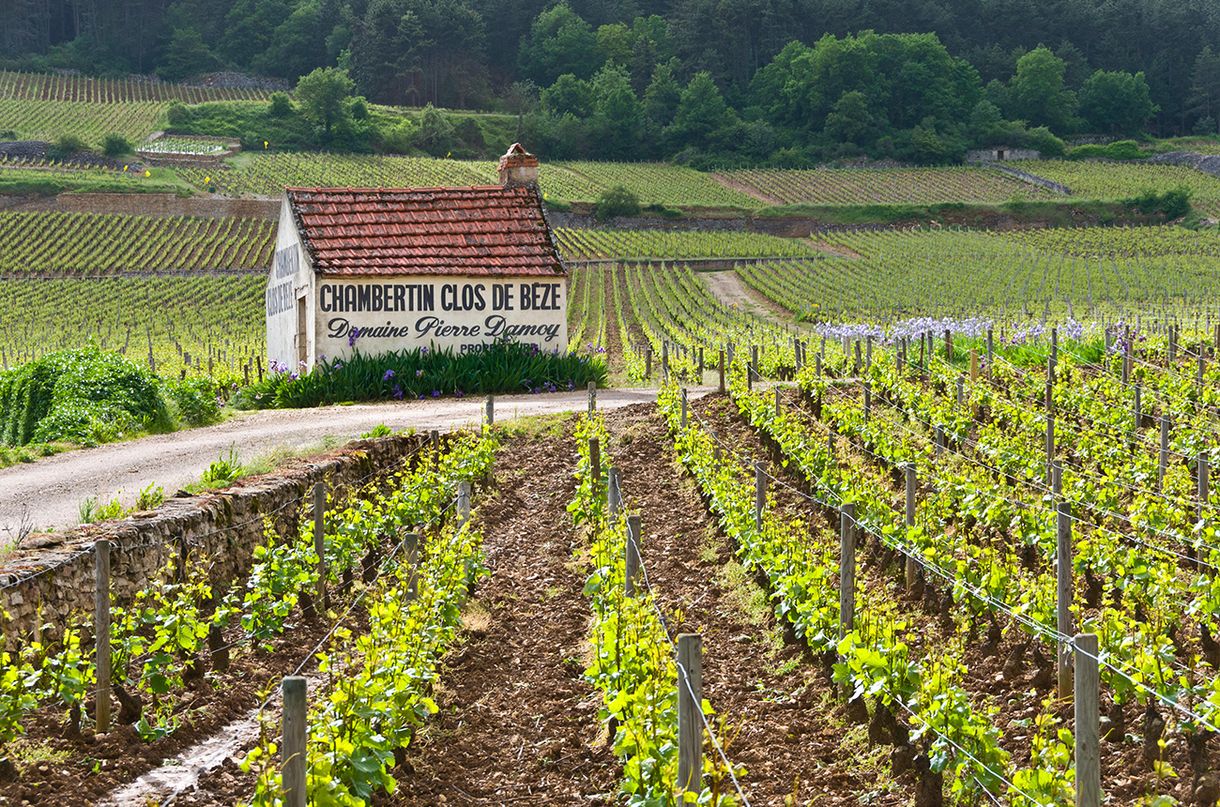
You leave Dijon mid-morning, heading south along the D974 as the urban edge gives way to vineyard rows. The first stop is Gevrey-Chambertin, where your guide walks you through the climat system, pointing out Clos de Bèze and Chambertin on the hillside above the village.
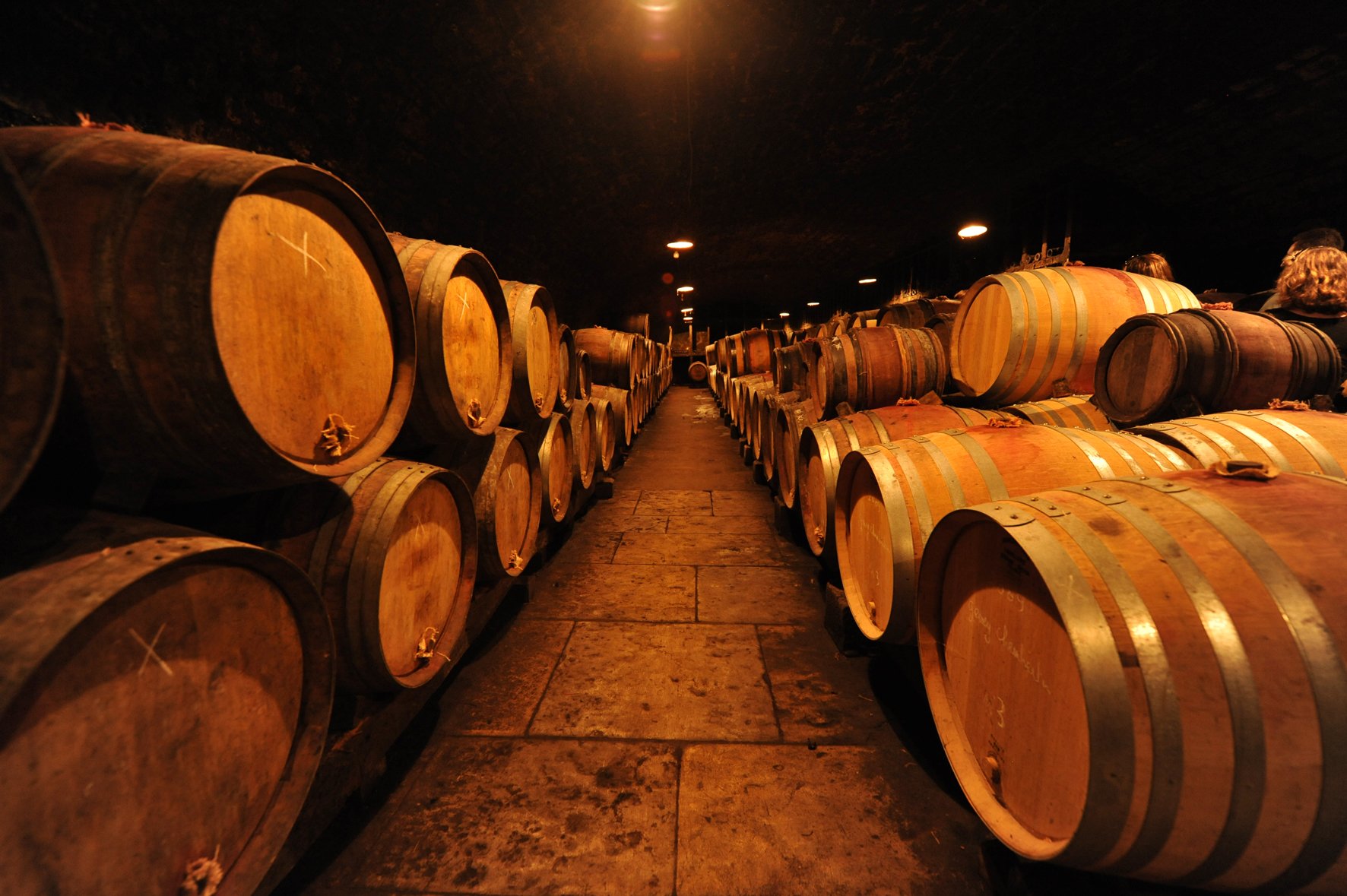
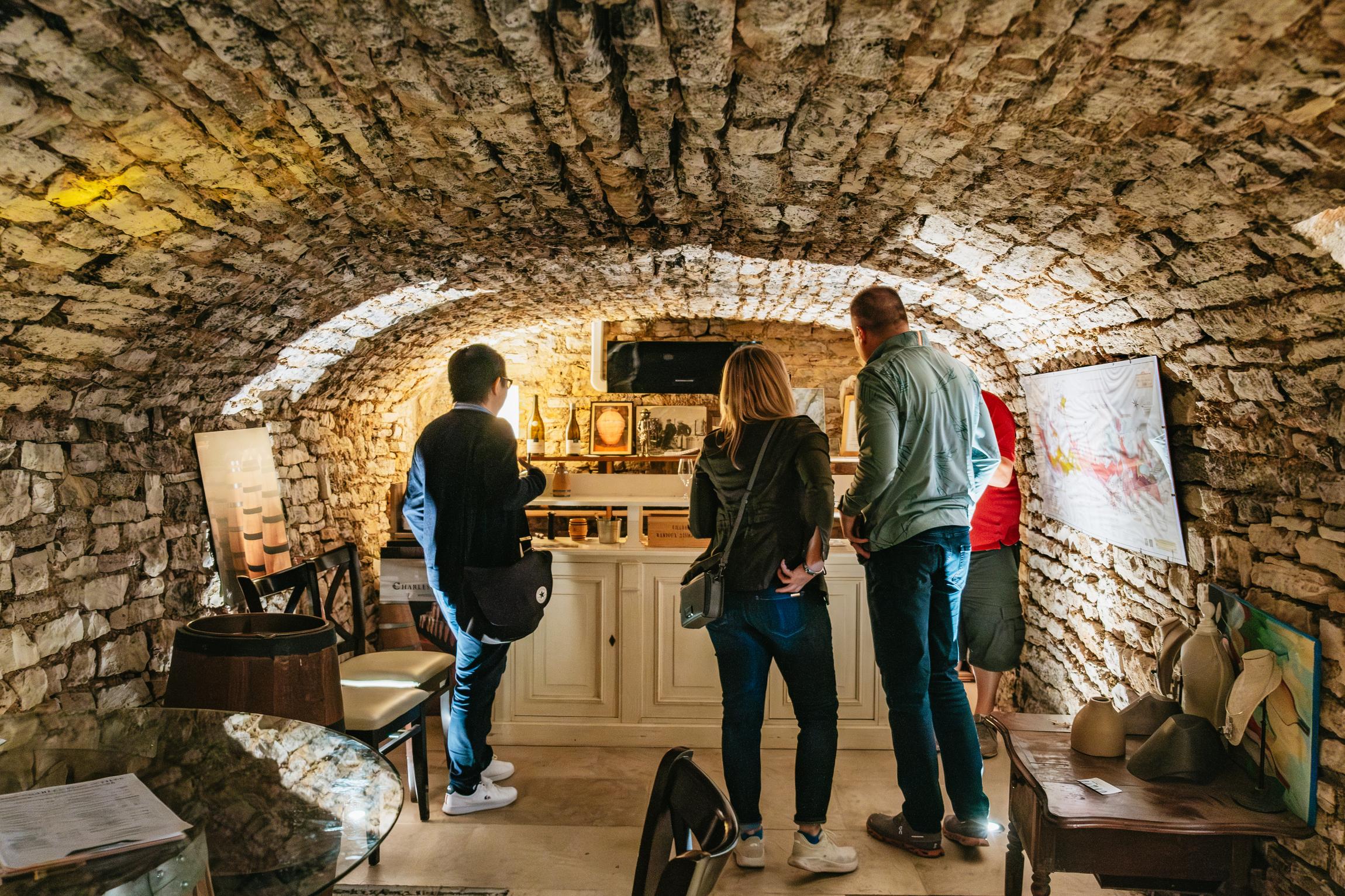
You taste three wines at a family domaine: a village-level Gevrey, a Premier Cru from Lavaux Saint-Jacques, and a Grand Cru whose price per bottle exceeds what most people spend on dinner. The differences are subtle but legible — more concentration, longer finish, a kind of vertical depth that justifies the appellation ladder.
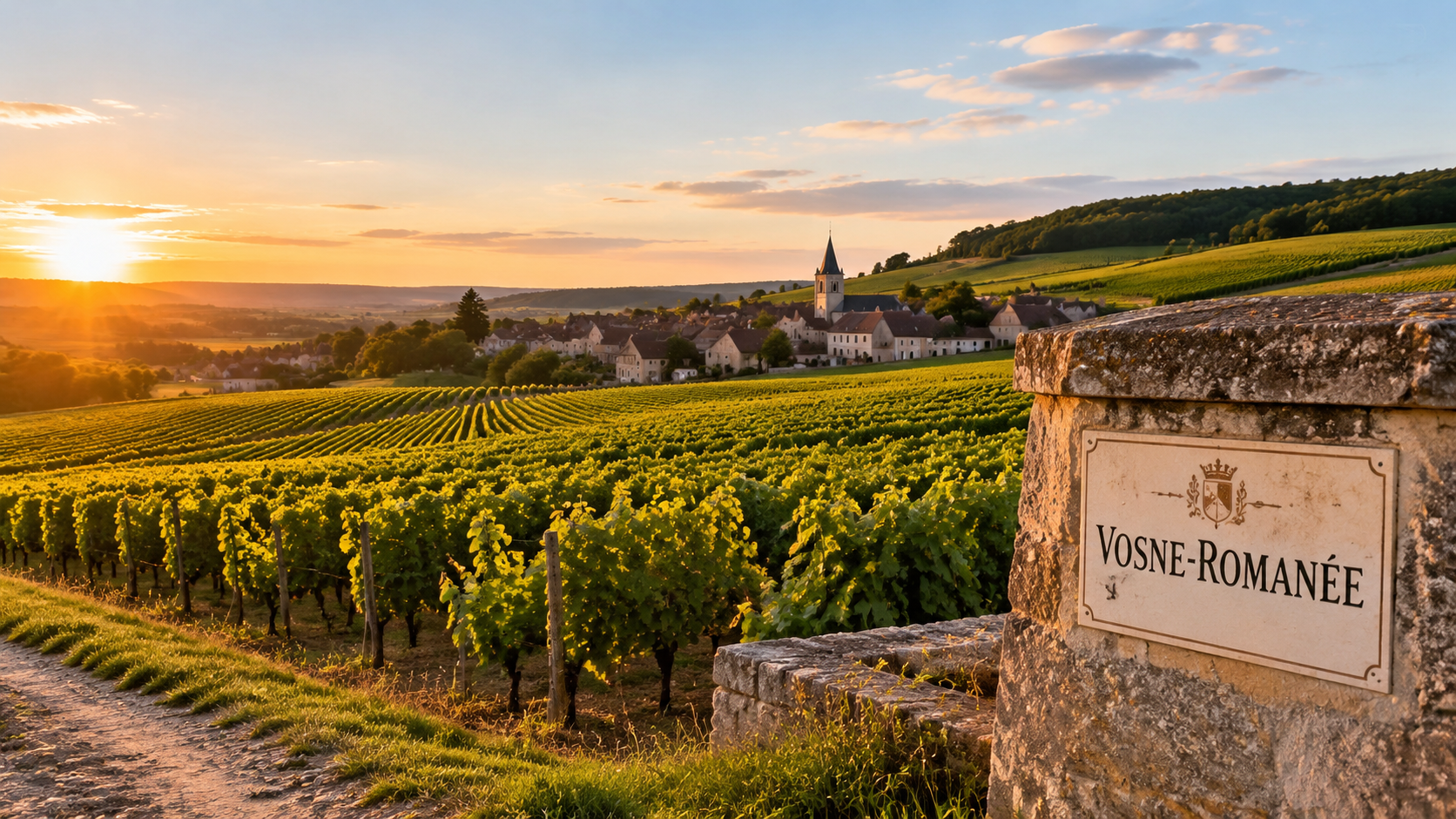
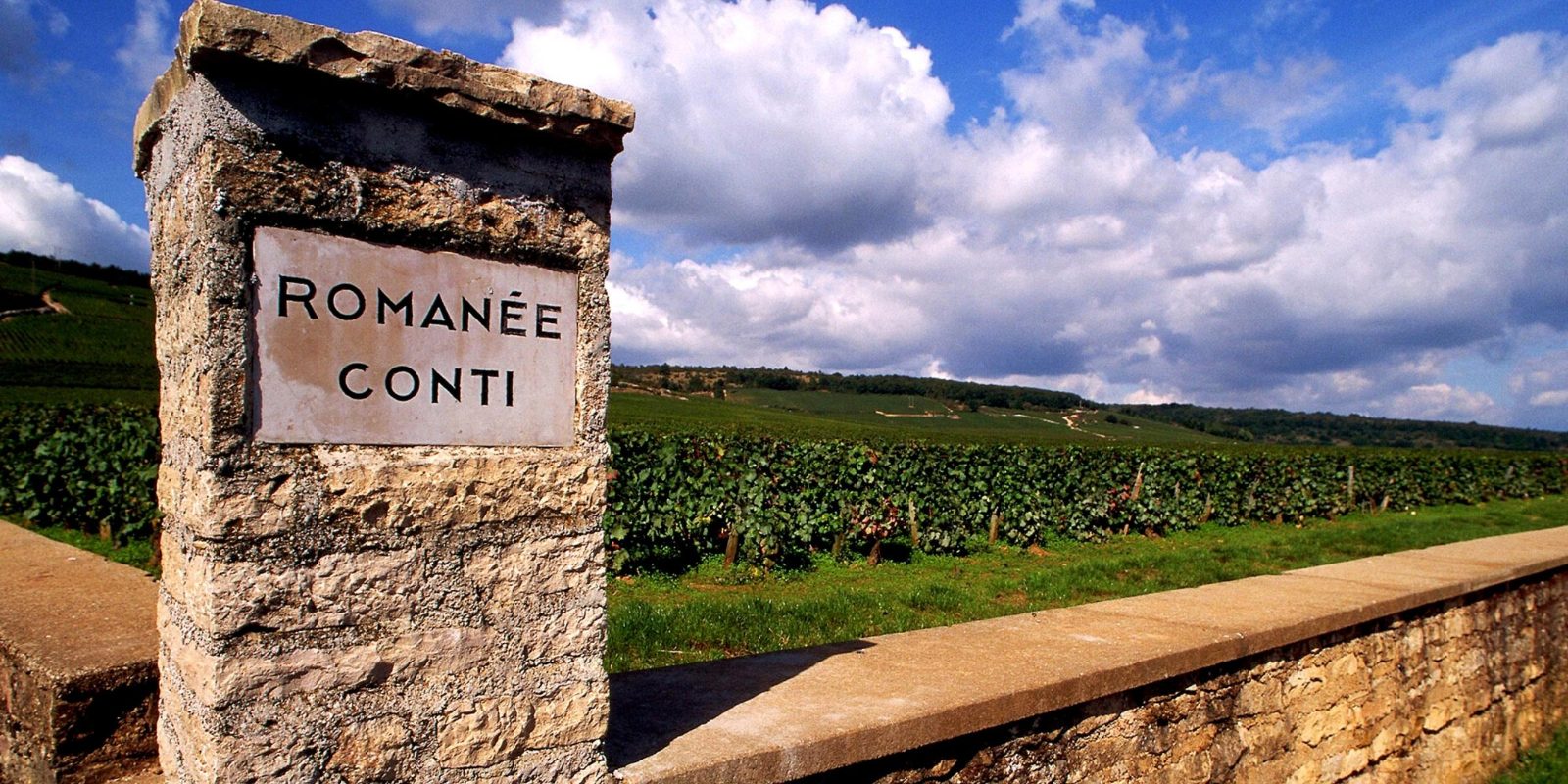
You continue to Vosne-Romanée, where the vineyards are smaller and the names more rarefied. Romanée-Conti is visible from the road, though not accessible; you walk the perimeter and learn why 1.8 hectares command global attention. Lunch is a simple affair — charcuterie, local cheese, bread — taken at a winery terrace overlooking the valley. The afternoon brings two more tastings, each domaine explaining their approach to oak aging, whole-cluster fermentation, and the balance between fruit and structure. By late afternoon you are back in Dijon or Beaune, having traced the spine of Burgundy's most concentrated fine-wine district. The landscape is quiet, the pace deliberate. The region reveals itself slowly, one glass at a time.
All the details about your upcoming adventure in one place
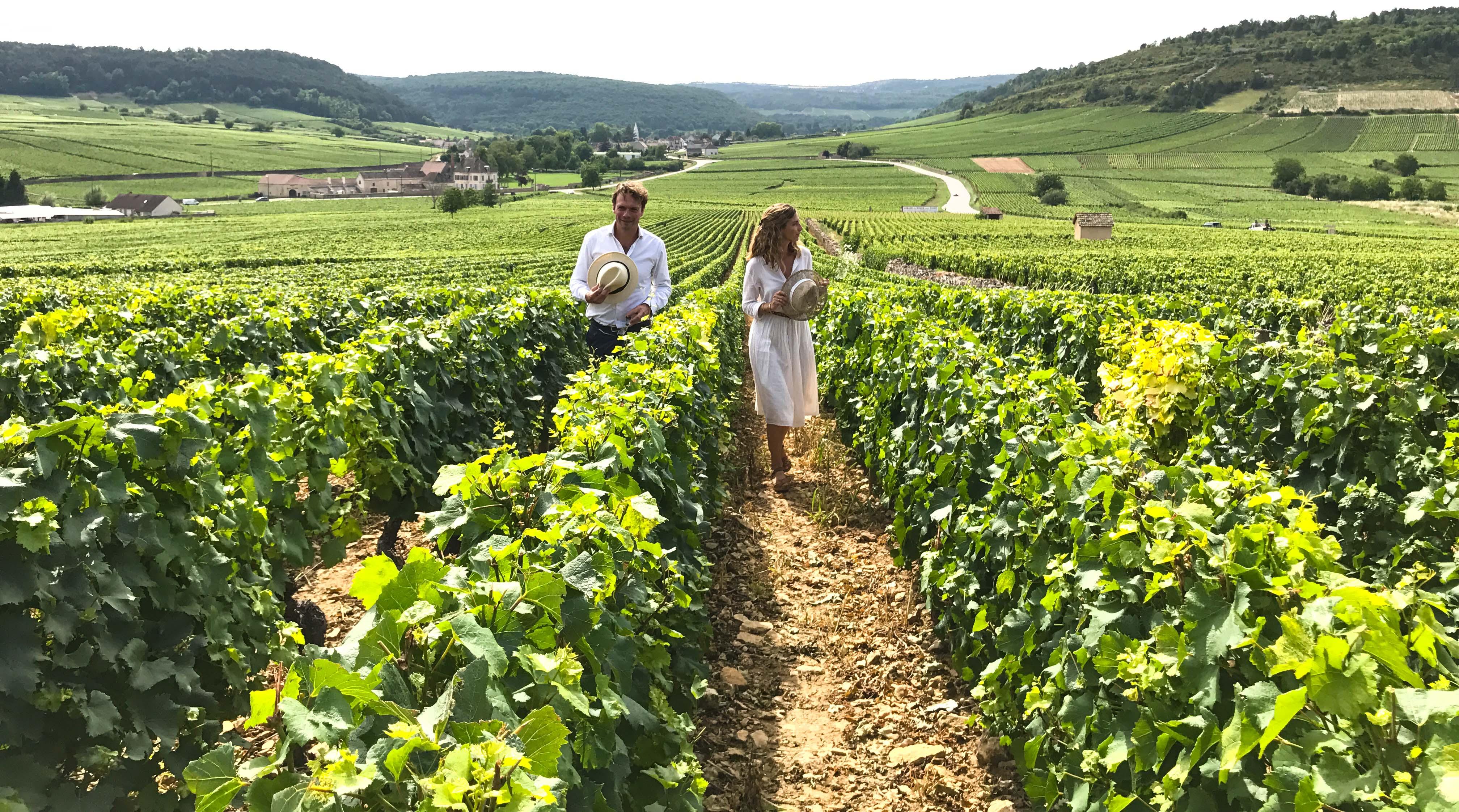
The Côte de Nuits stretches twenty kilometres from Dijon to Corgoloin, yet accounts for twenty-four of Burgundy's thirty-three Grand Cru appellations. This narrow ribbon of east-facing limestone slopes produces the most expensive Pinot Noir on earth.
The geology is precise: Jurassic marl and limestone deposited 150 million years ago, fractured into a mosaic of microclimates that give each village — Gevrey-Chambertin, Vosne-Romanée, Nuits-Saint-Georges — its own flavour signature. Cistercian monks mapped these distinctions in the twelfth century, dividing the hillside into parcels that remain largely unchanged today. A Côte de Nuits tour connects that monastic geography to the modern appellation system, walking visitors through climats where a shift of thirty metres can double the price per bottle.
The Route des Grands Crus threads through these villages, passing stone walls that have enclosed the same vineyards since the Middle Ages. Romanée-Conti, the most celebrated climat, occupies 1.8 hectares and produces fewer than 6,000 bottles annually. Chambertin, Napoleon's preferred wine, covers 12.9 hectares split among thirteen owners. These are not estates but shared parcels, each winemaker interpreting the same soil in a different register. Burgundy wine discovery itineraries typically visit three to five domaines, contrasting village-level appellations with Premier Cru and Grand Cru expressions. Tastings reveal how elevation, sun exposure, and drainage shape the final wine, turning abstract terroir into something you can taste.
Harvest begins in late September, lasting two to three weeks depending on the vintage. The region is open year-round, but spring and autumn offer the clearest view of viticultural work. Most domaines require advance reservations for tastings, a formality that reflects both limited production and the time required to explain each wine's provenance. The Côte de Nuits is not a single estate but a federation of family holdings, many spanning only a few hectares. Understanding it requires multiple visits, each revealing another layer of the appellation hierarchy. The landscape itself is deceptively simple: gentle slopes, modest villages, and kilometre after kilometre of vines. The complexity emerges in the glass, where soil, climate, and human decision converge into wines that age for decades. Burgundy wine tours from Dijon and Beaune provide access to this system, translating centuries of tradition into a structured tasting itinerary.
The Côte de Nuits accounts for twenty-four of Burgundy's thirty-three Grand Cru appellations.
Casual and comfortable clothing is recommended for a cote de nuits tour. Wear sturdy footwear suitable for walking on uneven vineyard terrain.
As this is a public region, there are no centralized security checks. Guests should keep personal belongings secure while exploring the Côte de Nuits landmarks.
Photography of the landscape and vineyards is permitted throughout the public areas. Respect the privacy of private estates and winery staff during your cote de nuits tour.
The area is open to families, though individual wineries may have specific age requirements for tastings. A cote de nuits tour provides educational opportunities regarding viticulture for older children.
Vineyard access varies significantly by location. Many paths consist of gravel or dirt, which may present challenges for wheelchair users during a cote de nuits tour.
Picnicking is generally permitted in public vineyard areas, provided visitors leave no trace. Do not consume alcohol purchased elsewhere on private winery property during a cote de nuits tour.
Opening Hours
00:00–23:59
Address
Côte de Nuits, 21700, Burgundy, France
Public Access
Open access wine district
Best Arrival
09:00–17:00
Navigation
Regional vineyard roads
Car · Varies · Rental fees
The most flexible way to navigate the region. Parking is available in major villages like Gevrey-Chambertin.
Taxi · 20-30 min · Variable
Available from Dijon or Beaune stations. Useful for private transfers during a cote de nuits tour.
Since the region is a public wine district, there is an entrance fee of 0 EUR. Specific winery tours booked through operators follow their individual cancellation windows provided at checkout.
Recommended time
Half a day
A comprehensive cote de nuits tour typically requires half a day to explore the vineyards and engage in cellar tastings at local domaines. You may extend this duration if you include detailed terroir discussions or lunch, while a shorter visit is suitable for a scenic drive through the Route des Grands Crus. Since this region is a public wine district, there are no gates to manage, meaning visitor flow is determined by winery appointment availability rather than queues for cote de nuits tour tickets. Planning your cote de nuits tour tours around pre-booked cellar visits ensures a smooth experience, as drop-in capacity varies throughout the day.
Crowd levels through the day
Weather · crowds · average price — dots go green to amber to red as each metric rises.
Bud break occurs, and temperatures begin to climb. It is a quiet time for a cote de nuits tour before summer crowds arrive.
Vineyards are lush and green. This is a popular season for a cote de nuits tour, with high activity in the wine cellars.
The harvest season brings peak activity and golden colors to the landscape. It is the most scenic time to book cote de nuits tour tickets.
Wineries are quiet, and the dormant vines offer a stark, peaceful view. Daytime temperatures are cool.
Roads through the vineyards are narrow and shared with farm equipment. Always drive slowly and stay aware of your surroundings.
Many vineyard rows are private property. Do not walk into restricted areas or touch the grapevines during a cote de nuits tour.
Popular wineries require advance reservations. Secure your appointments before starting your cote de nuits tour.
Place de la Mairie, 21700
Central town square
Get directionsThe Côte de Nuits owes its viticultural structure to Cistercian monks who arrived in Burgundy during the twelfth century. In 1098, Robert of Molesme founded Cîteaux Abbey south of Dijon, establishing a monastic order that would transform the region's wine geography. The Cistercians acquired land systematically. By 1164, they controlled the Clos de Vougeot, a fifty-hectare vineyard that became their experimental laboratory. Monks catalogued soil types, tracked sunlight exposure, and recorded harvest outcomes across micro-parcels. They identified subtle variations in limestone composition and drainage that produced measurably different wines. This empirical mapping gave birth to the concept of climat—a precisely delimited vineyard parcel unified by geology and microclimate. The monks built stone walls to separate plots, a practice that survives in modern Burgundy's fragmented ownership. Their meticulous records laid the groundwork for the appellation system formalized six centuries later. Phillipe the Bold, Duke of Burgundy, issued an edict in 1395 banning Gamay grapes from the Côte de Nuits. He declared Gamay harmful to human health and demanded exclusive cultivation of Pinot Noir, which he termed the noble grape. This political intervention locked in varietal homogeneity. By the seventeenth century, the region's reputation reached European courts. Louis XIV's physician prescribed Romanée wine for the king's digestion in 1682. Dutch merchants shipped Burgundy in barrels to northern markets. The French Revolution confiscated monastic vineyards in 1789 and auctioned them to bourgeois buyers, fracturing the Clos de Vougeot into dozens of private holdings. The phylloxera epidemic devastated Côte de Nuits vineyards between 1878 and 1895. Growers replanted on American rootstock, a process that required a decade of experimentation. The 1930s brought legal codification. France established the Appellation d'Origine Contrôlée system in 1936, and Burgundy's climats were surveyed and ranked. Gevrey-Chambertin received AOC status in 1937. Vosne-Romanée followed in 1936. These designations converted centuries of monastic terroir knowledge into enforceable geographic boundaries. A cote de nuits tour today follows paths monks surveyed eight hundred years ago, walking between stone walls that still mark climat divisions the Cistercians identified through empirical observation.
Robert of Molesme founds Cîteaux Abbey, initiating Cistercian viticulture in Burgundy.
Cistercians acquire Clos de Vougeot, beginning systematic terroir mapping across fifty hectares.
Duke Philippe the Bold bans Gamay, mandating exclusive Pinot Noir cultivation in the Côte de Nuits.
Louis XIV's physician prescribes Romanée wine, elevating the region's medical and aristocratic prestige.
Revolutionary government confiscates monastic vineyards, fracturing estates into private parcels.
Phylloxera epidemic destroys vines; replanting on American rootstock reshapes the region.
France establishes AOC system; Vosne-Romanée and Gevrey-Chambertin receive protected geographic status.
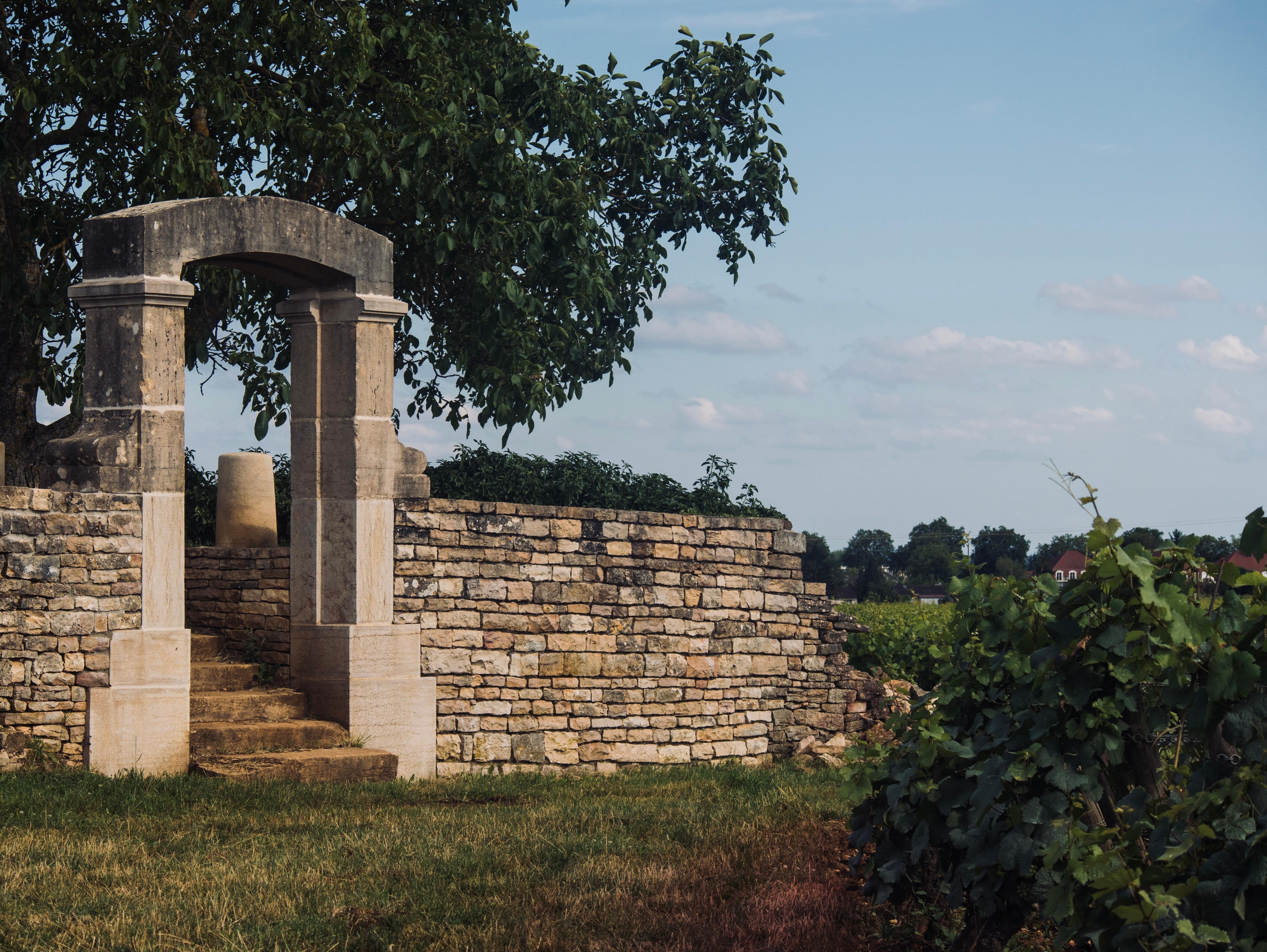
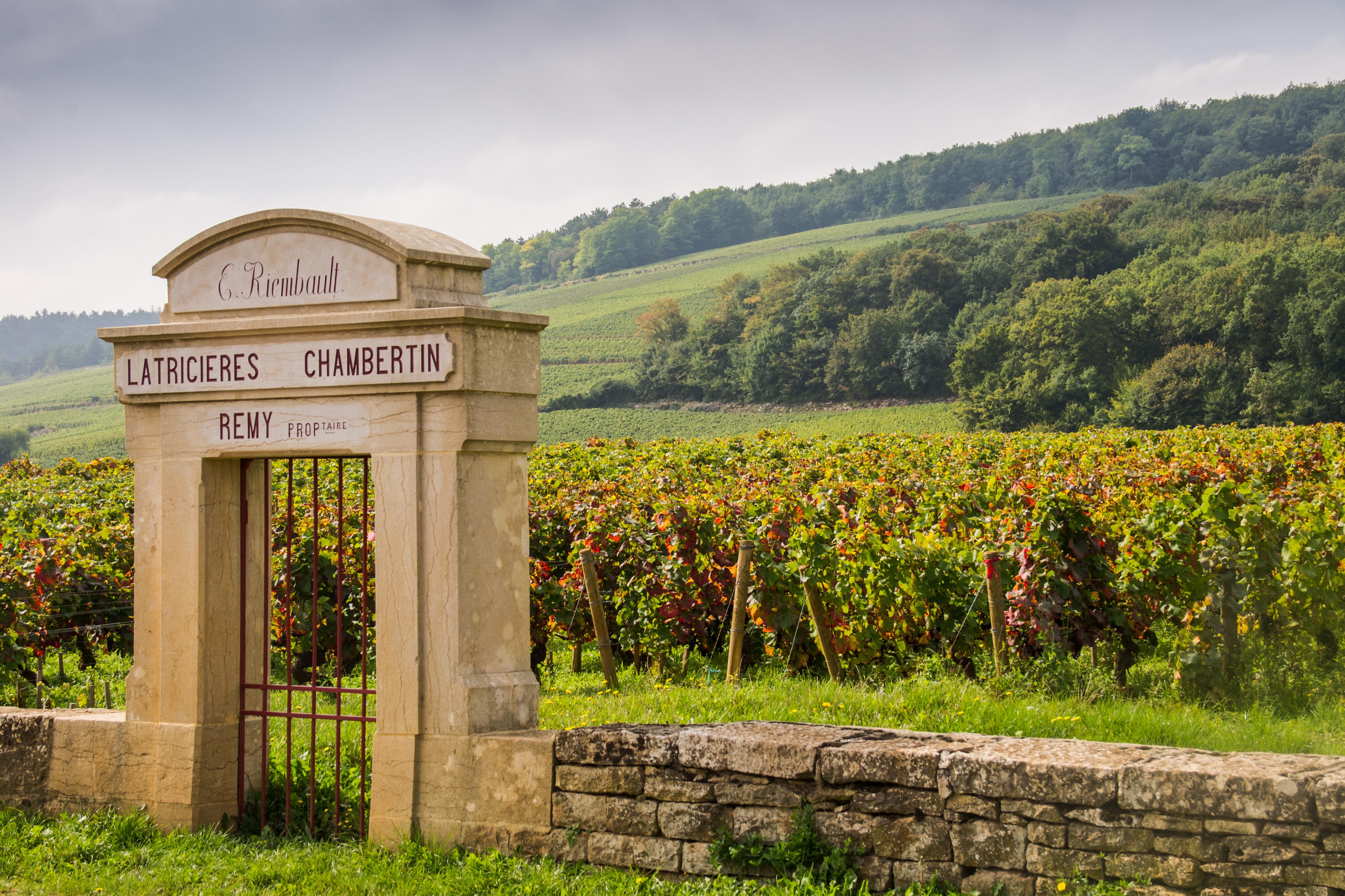
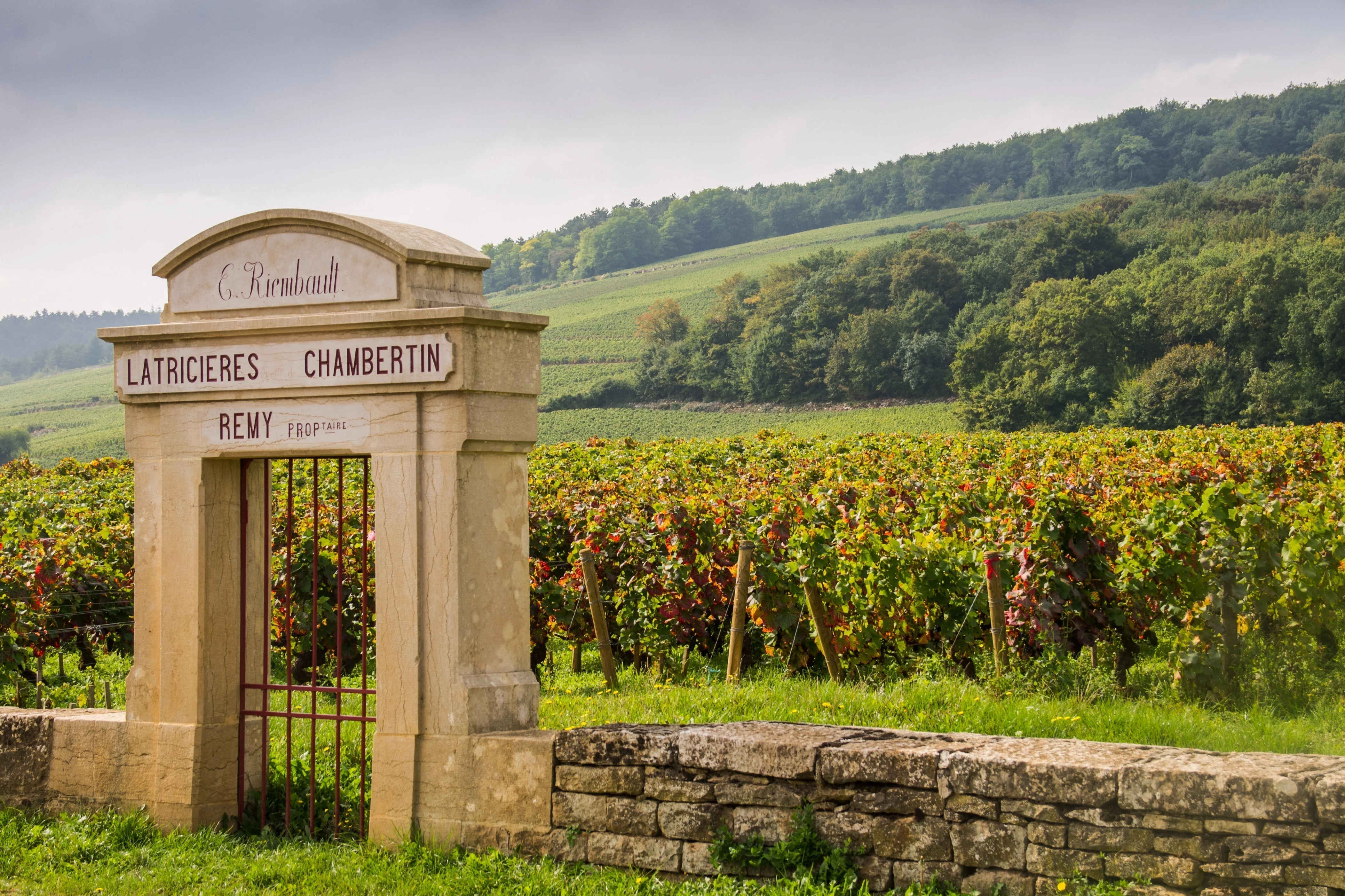
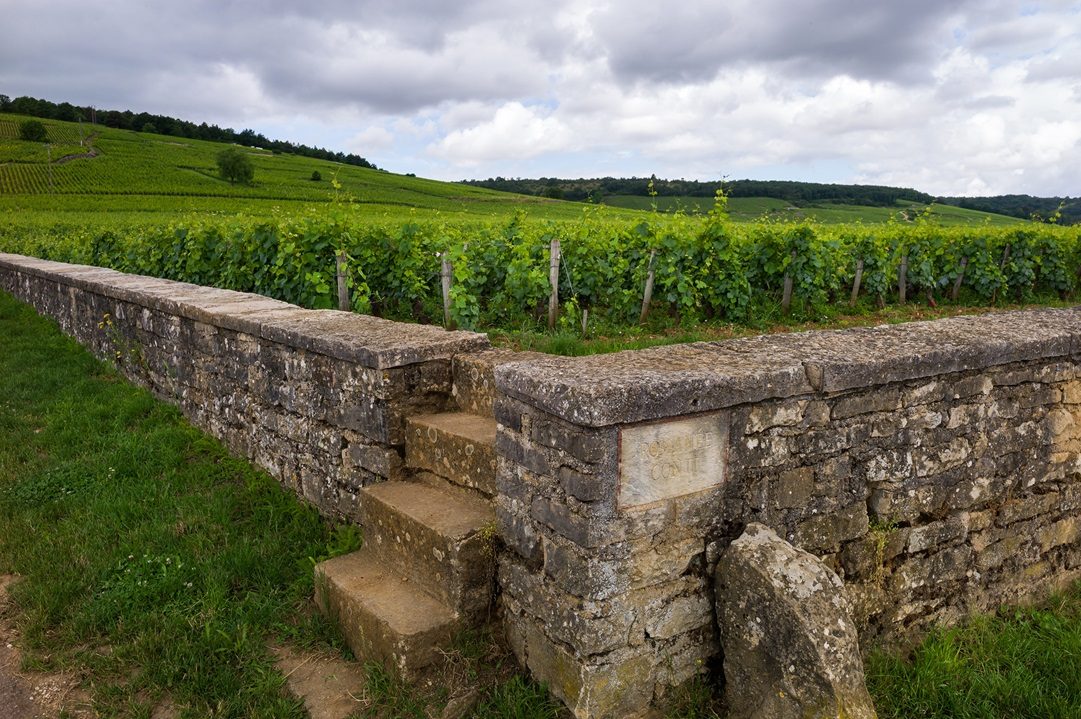
Stand along the public road bordering the vines to capture the low stone walls and the famous limestone terroir. This is a classic perspective for any professional cote de nuits tour to showcase the legendary viticulture of the region.
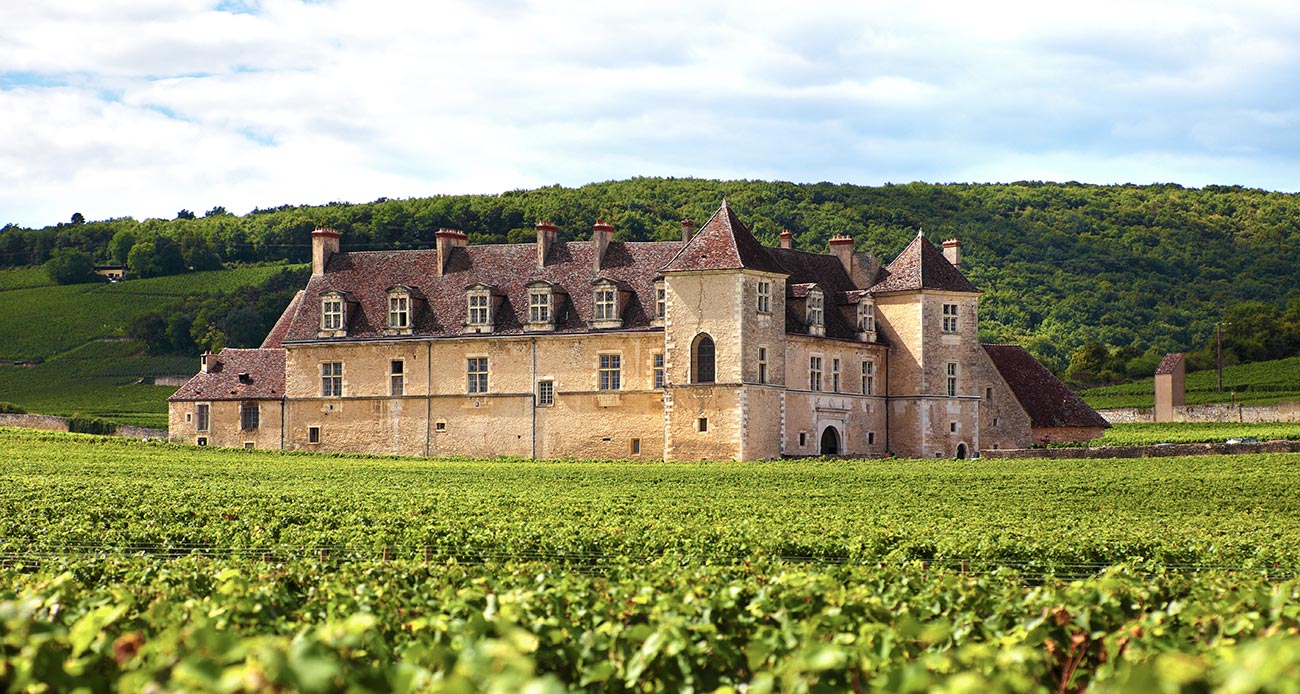
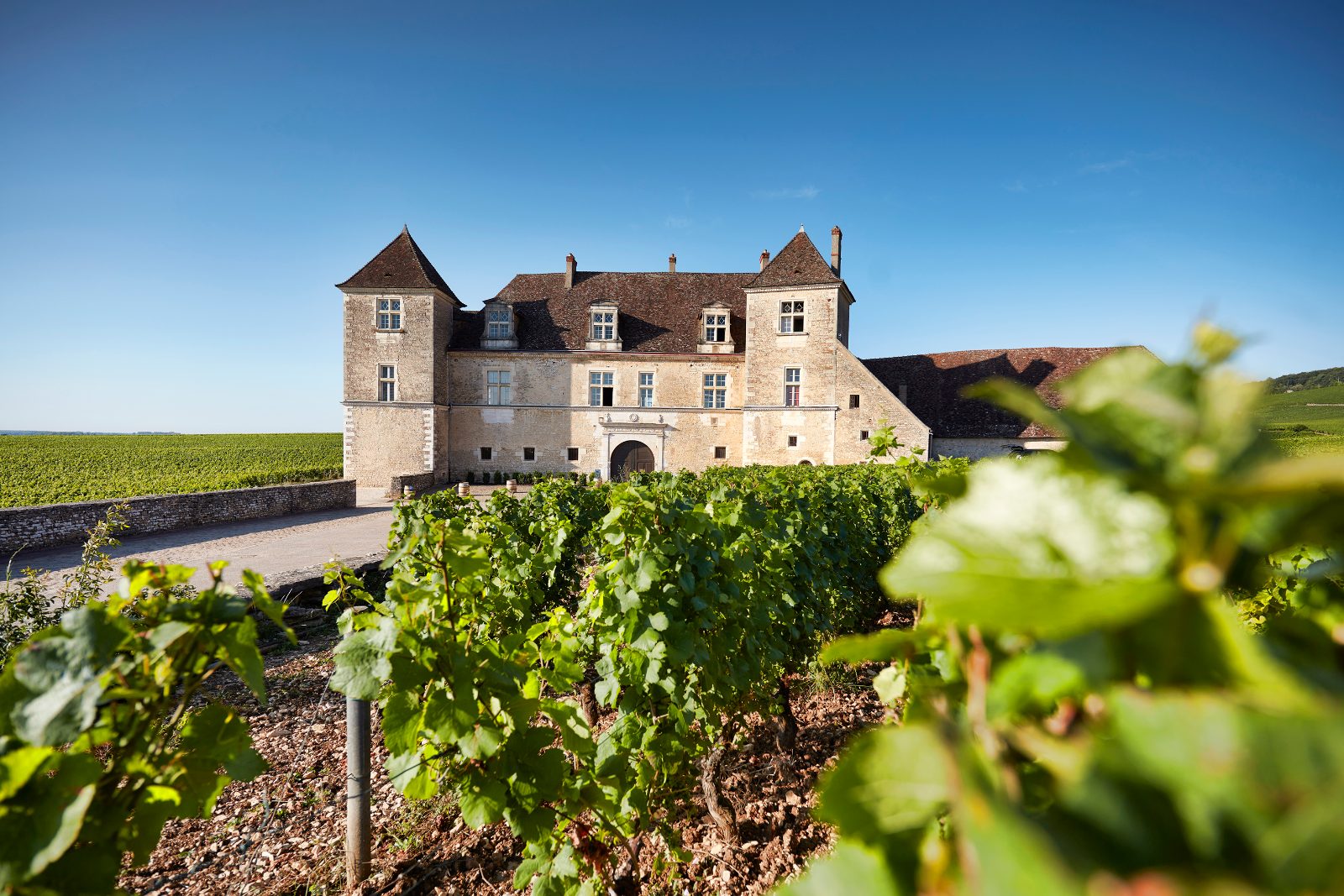
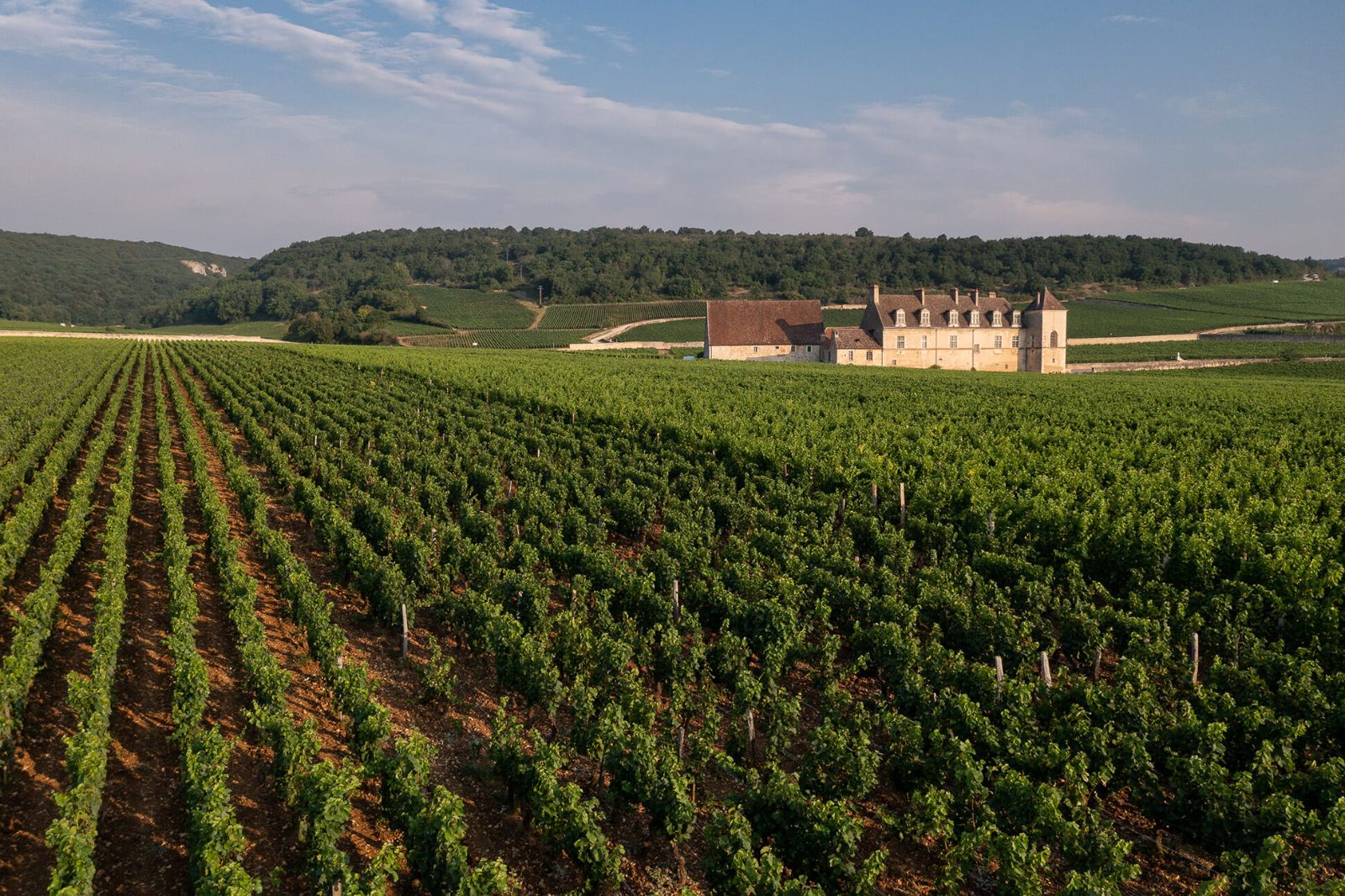
Access the exterior walls of this historic site to frame the Burgundian roof tiles and the surrounding Grand Cru vineyards. The architecture provides a solid foreground for your cote de nuits tour tours photography.
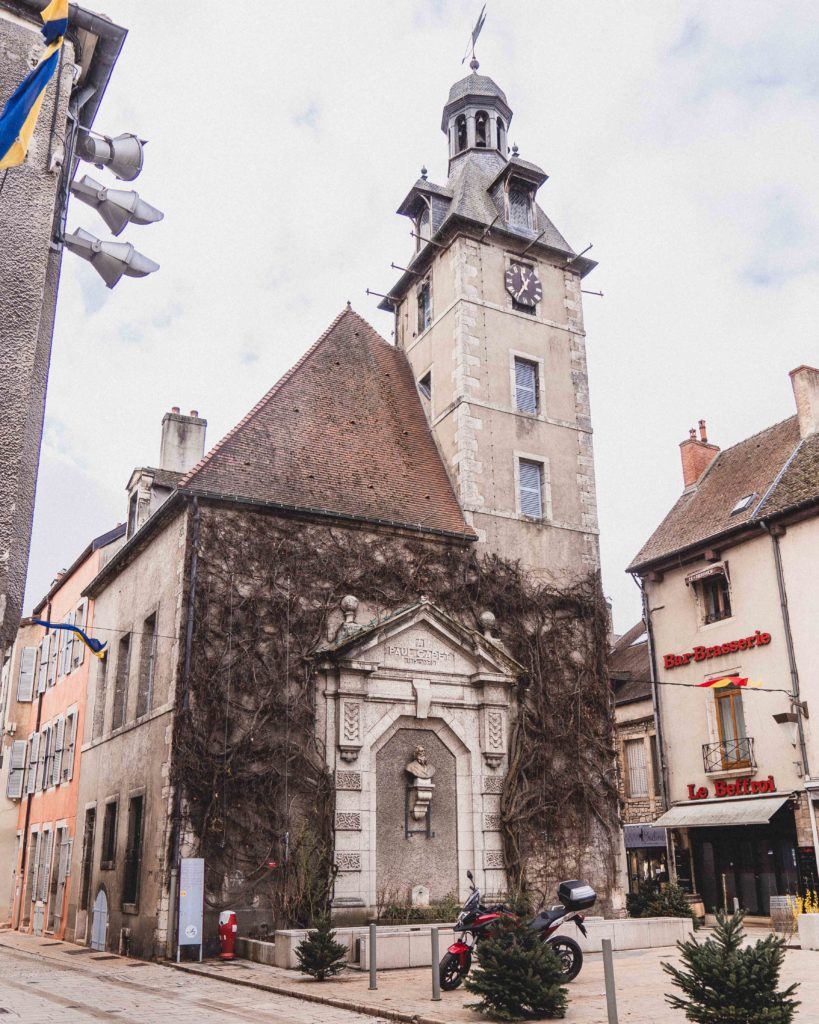
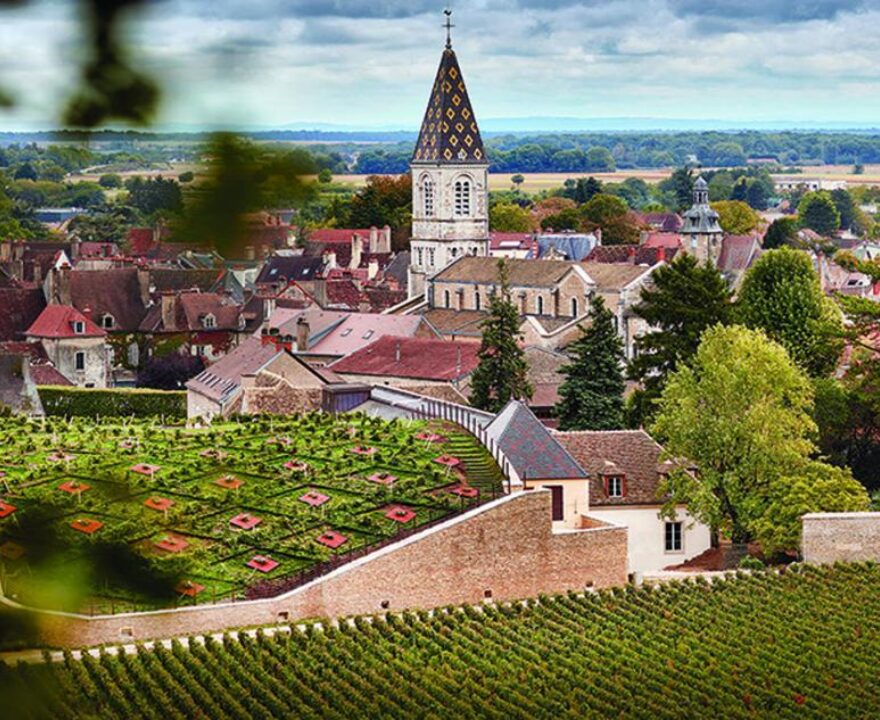
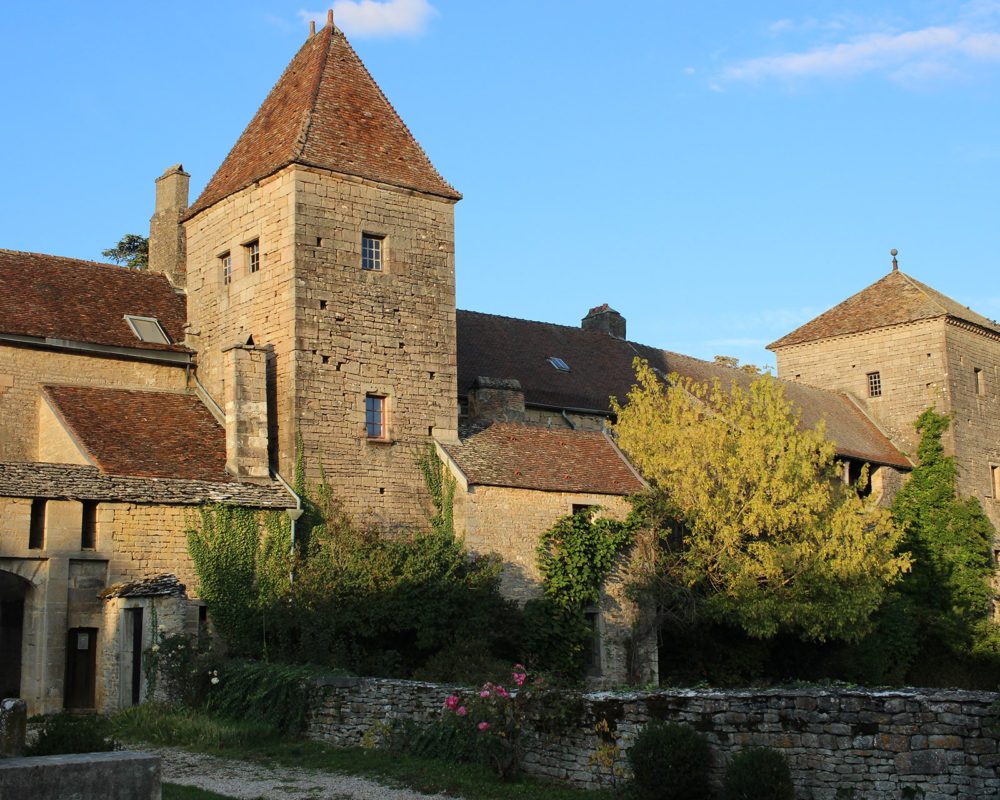
Walk the quiet cobblestone streets near the church to document the traditional stone cellars and authentic winery facades. These corridors offer a glimpse into the local lifestyle that is essential for those seeking cote de nuits tour tickets.
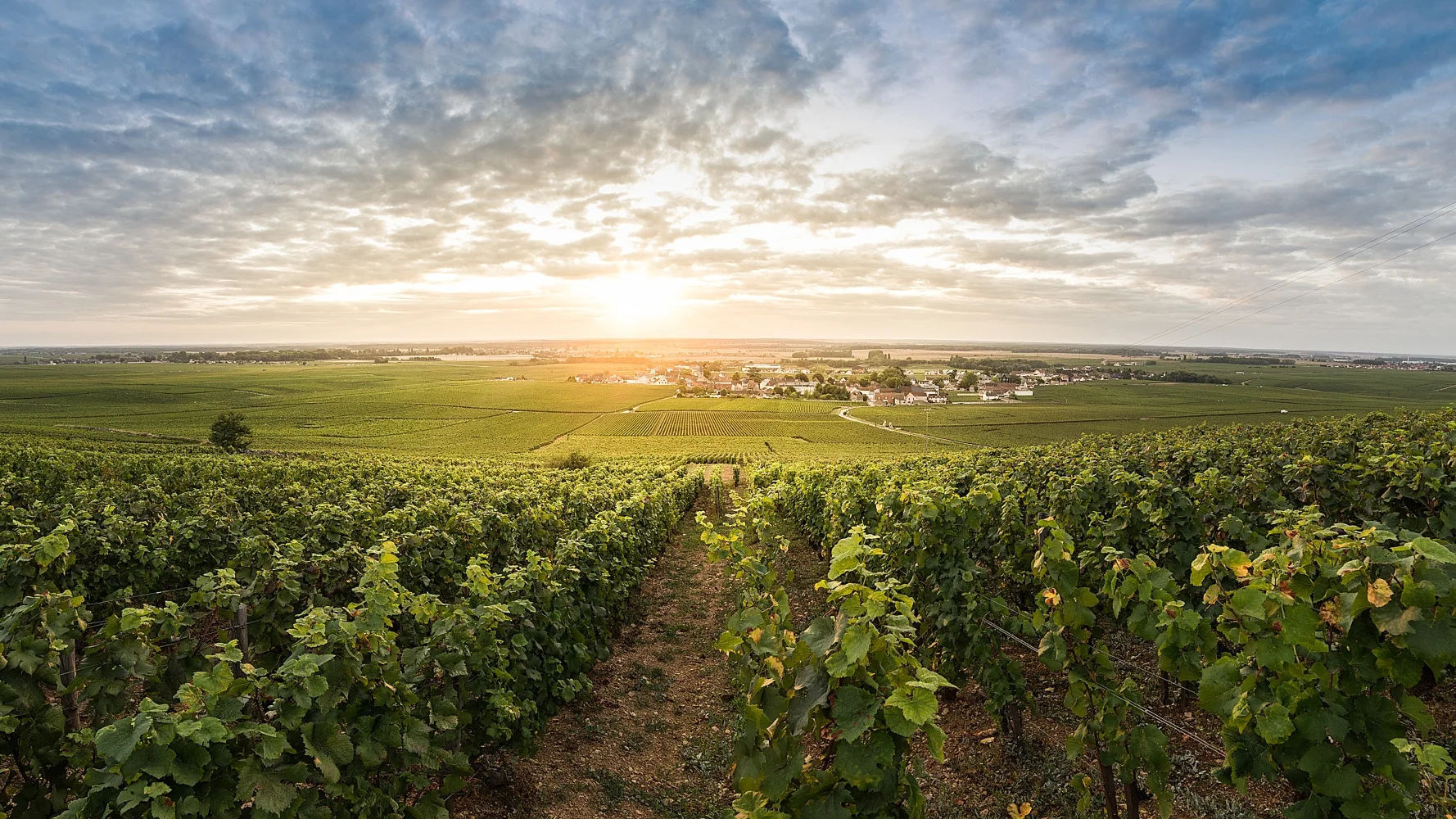
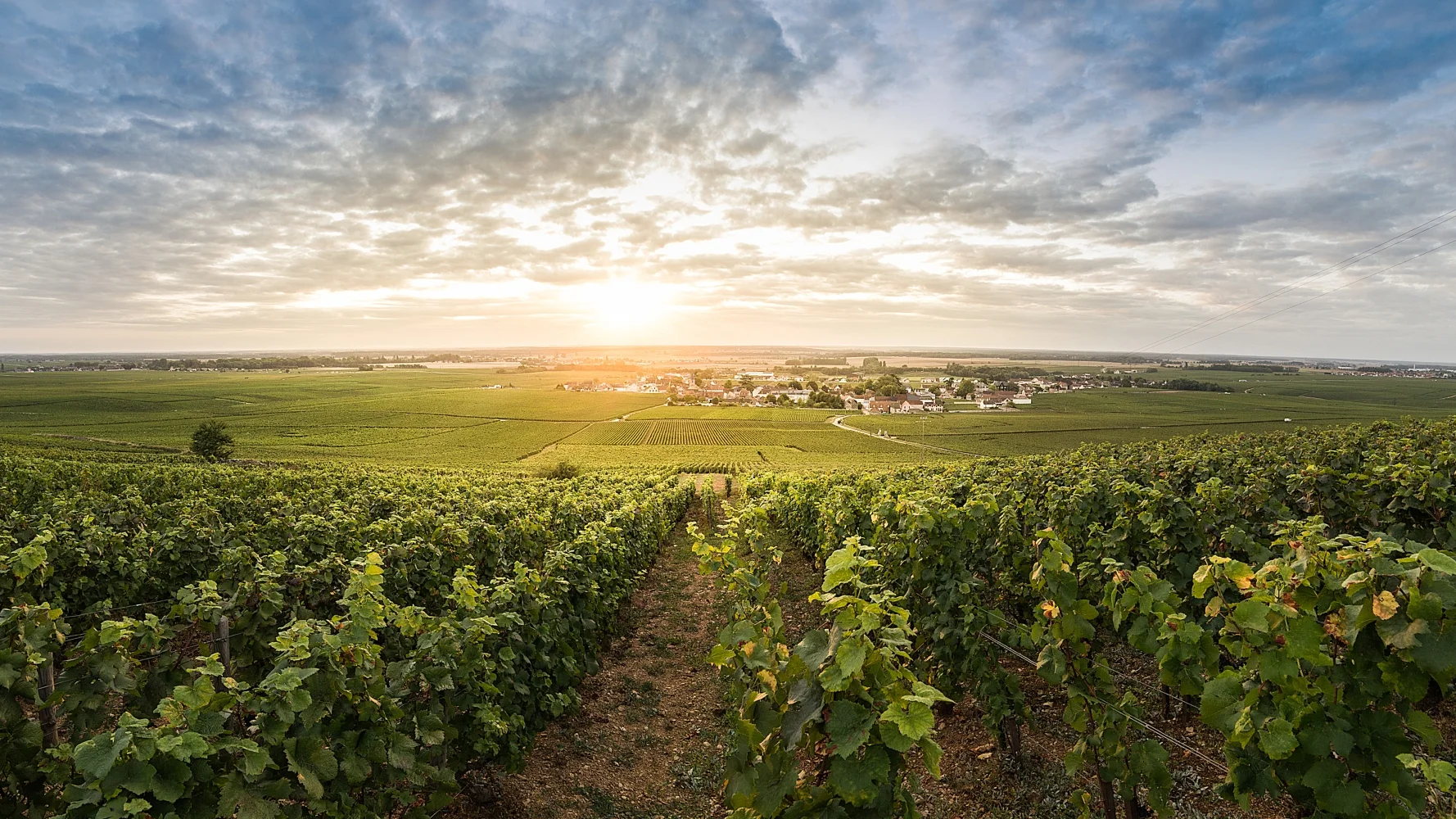
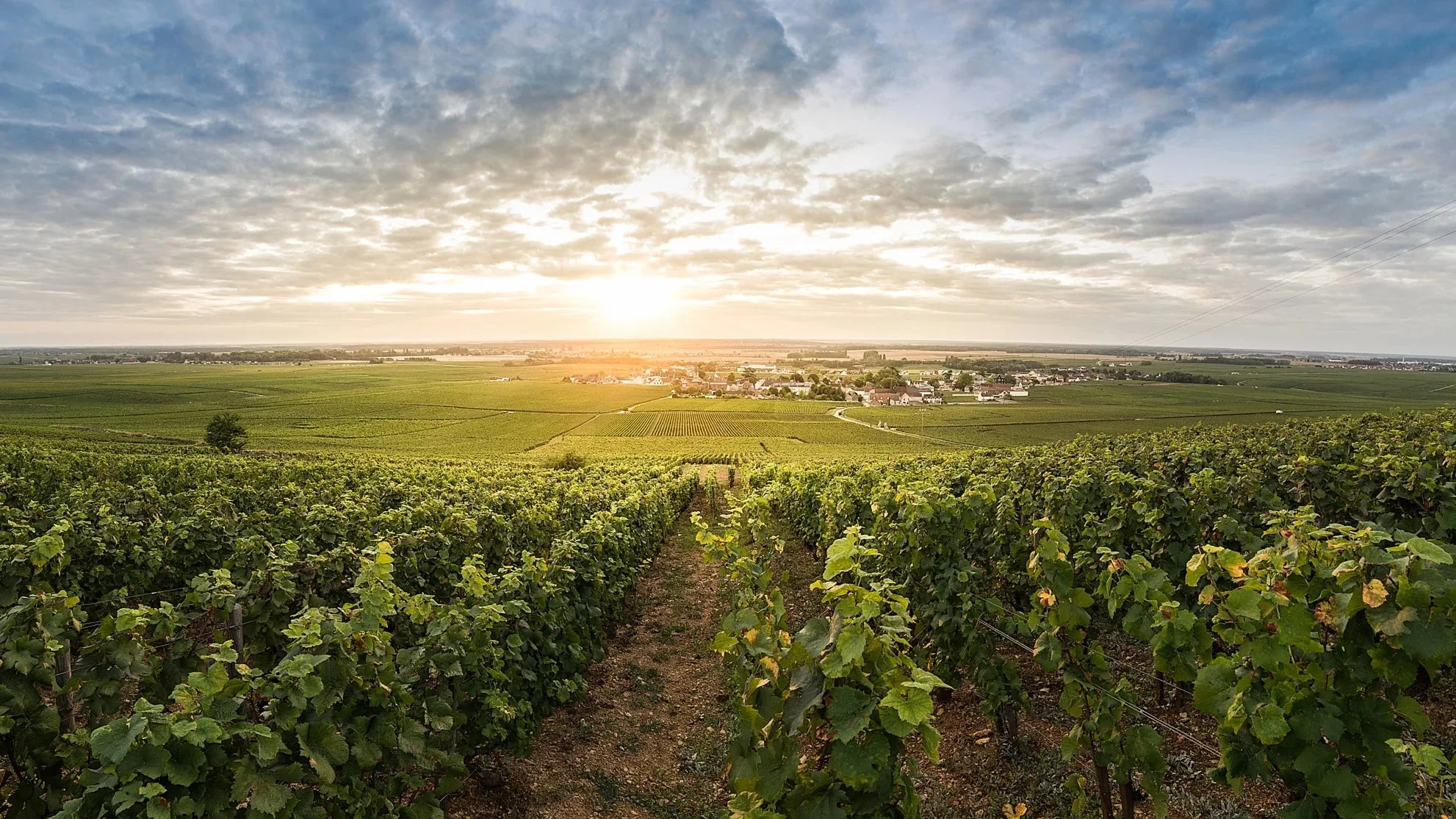
Position yourself on the rise above the village to photograph the orderly rows of vines stretching toward the horizon. This panoramic composition is a staple for those planning a cote de nuits tour tour to capture the scale of the valley.
Planning a cote de nuits tour with your family involves navigating a sprawling landscape of renowned vineyards rather than a confined museum. While the region offers open access to explore, parents should prepare for a rural outing that requires significant advance planning for local winery logistics.
Most vineyard paths are unpaved or gravel, so a sturdy, all-terrain stroller is recommended over a lightweight model. Keep in mind that many cellar doors are not accessible for wheels due to historical architecture.
Public restrooms are limited in this rural wine district, so identify facilities in local villages before heading out. Baby-changing stations are rare; ensure your travel kit includes a portable changing pad.
To maintain a manageable pace for children, limit your itinerary to one or two stops per day to avoid travel fatigue. This approach ensures you have the flexibility to adjust your cote de nuits tour tours based on the group energy.
The destination is best suited for older children who can appreciate scenic walks and historical landscapes. Infants in carriers may find the outdoor environment easier to navigate than those requiring standard cote de nuits tour tickets for structured tasting rooms.
Pack snacks and water, as dining options vary significantly between villages and may not always align with younger palates. Review your cote de nuits tour tour route for village boulangeries that provide quick, family-friendly provisions.
Finding a meal during your cote de nuits tour is straightforward, as the surrounding villages of Nuits-Saint-Georges and Gevrey-Chambertin host a mix of refined dining and casual bistros. While vineyards themselves are for tasting, the nearby terroir-focused establishments offer excellent regional pairings for those planning their cote de nuits tour tours.
Located in the heart of the village, this spot excels in seasonal Burgundy cuisine with an extensive list of local pinot noir. It is a preferred choice for visitors looking for a structured lunch between cote de nuits tour tour sessions.
This riverfront venue provides a relaxed atmosphere for those who have secured their cote de nuits tour tickets and want a break from the cellar doors. Expect classic French bistro fare that highlights local ingredients and wine grower favorites.
Situated near the famous grands crus vineyards, this upscale destination is ideal for an elegant sit-down meal. Reservations are advised here to ensure timely service during the peak autumn harvest season.
Everything you need to know for your journey
The region is a public wine district accessible 00:00–23:59 every day. Individual wineries set their own specific operating hours.
Entry to the public district is 0 EUR. Private winery tours may have associated costs.
The best arrival window is 09:00–17:00 for optimal light and winery accessibility.
Yes, families are welcome, though tasting age limits apply. A cote de nuits tour is educational for all ages.
Yes, you can secure your cote de nuits tour tickets through official operators or winery websites.
Accessibility varies; many vineyard paths are gravel and may be challenging during a cote de nuits tour.
Yes, photography is permitted in public areas. Please respect private winery boundaries.
Yes, nearby villages like Nuits-Saint-Georges offer various restaurants to visit after your cote de nuits tour.
Most visitors arrive by car or taxi from Dijon or Beaune to begin their cote de nuits tour.
A historic 12th-century monastery surrounded by vines.
One of the most famous vineyard plots in the world.
Central access to restaurants and cellars
Join thousands of happy travelers who have discovered this incredible experience
Book Your Experience Now