4 hr
Côte de Nuits Wine Discovery from Dijon
- Entry ticket
- Mobile voucher
- Valid same day
- Free cancellation
Côte de Nuits Wine Tasting — Cellar Visits & Vineyard Experiences
Premier Cru terroir, estate cellars, Grand Cru distinctions
Compare fares, pick the fit — all bookings are mobile-voucher and eligible for free cancellation where shown.
4 hr
5 hr
2 hr 30 min
| Experience | From | Duration | Rating | Guide | Small group | Free cancel. | Price | |
|---|---|---|---|---|---|---|---|---|
|
Standard Entry
Most popular
Côte de Nuits Wine Discovery from Dijon
|
Dijon | 4 hr | ★ 4.9 | ✓ | ✓ | ✓ | €150 | Book → |
|
Standard Entry
Half-Day Burgundy Wine Experience from Dijon
|
Dijon | 5 hr | ★ 4.6 | ✓ | ✓ | ✓ | €95 | Book → |
|
Standard Entry
Côte de Nuits Vineyard Discovery
|
— | 2 hr 30 min | ★ 4.6 | ✓ | ✓ | ✓ | €49 | Book → |
Worth it for wine enthusiasts and connoisseurs
Côte de Nuits wine tasting delivers exceptional value for serious wine lovers willing to invest in Burgundy's finest terroir. Organized tours from Dijon and Beaune range from half-day vineyard discoveries to full-day immersive experiences, with prices reflecting the prestigious appellations you'll encounter—Gevrey-Chambertin, Vosne-Romanée, and Nuits-Saint-Georges among them. What sets cote de nuits wine tasting apart is direct access to family-run domaines and historic cellars where Grand Cru and Premier Cru wines are crafted. You're not just sampling wine; you're learning how limestone slopes, centuries-old vines, and Pinot Noir mastery converge. For casual drinkers or those unfamiliar with Burgundy's nuanced profiles, the experience may feel overly technical and the cost steep compared to broader French wine regions. But for anyone who appreciates the artistry behind world-class viticulture, the cellar visits and guided tastings justify the investment.
Bottom line: If Burgundy Pinot Noir intrigues you, cote de nuits wine tasting tours offer unmatched depth and access to the region's legendary cellars.
The two regions offer distinct experiences; serious collectors prefer the structured reds of the north, while those seeking diverse white and red options find the south more approachable.
|
Top pick Côte de Nuits |
Côte de Beaune | |
|---|---|---|
| Primary wine profile | Structured, age-worthy Pinot Noir | |
| Best for | Serious red wine enthusiasts | |
| Geographic focus | Northern Burgundy | |
| Typical vintage style | Powerful and tannic | |
| Accessibility for visitors | Individual estate appointments required | |
| cote de nuits wine tasting tickets | Entry is 0 EUR per region | |
| See tickets & prices |
Verdict: If you prioritize deep, complex reds, choose the north, but for a balanced mix of chardonnay and pinot noir, opt for a cote de nuits wine tasting tour alternative in the south.
Hand-picked experiences loved by thousands of travelers
7 hours
Free Cancellation
Seven-hour exploration through celebrated vineyards with cellar visits, Premier Cru tastings, and free time in Beaune
8.5 hours
Free Cancellation
Eight-hour guided journey through legendary Burgundy vineyards with 14 curated tastings and expert commentary
5.5 - 7 hours
Free Cancellation
Full-day journey through Côte d'Or vineyards with tastings, traditional lunch, and UNESCO sites
6.5 - 7 hours
Free Cancellation
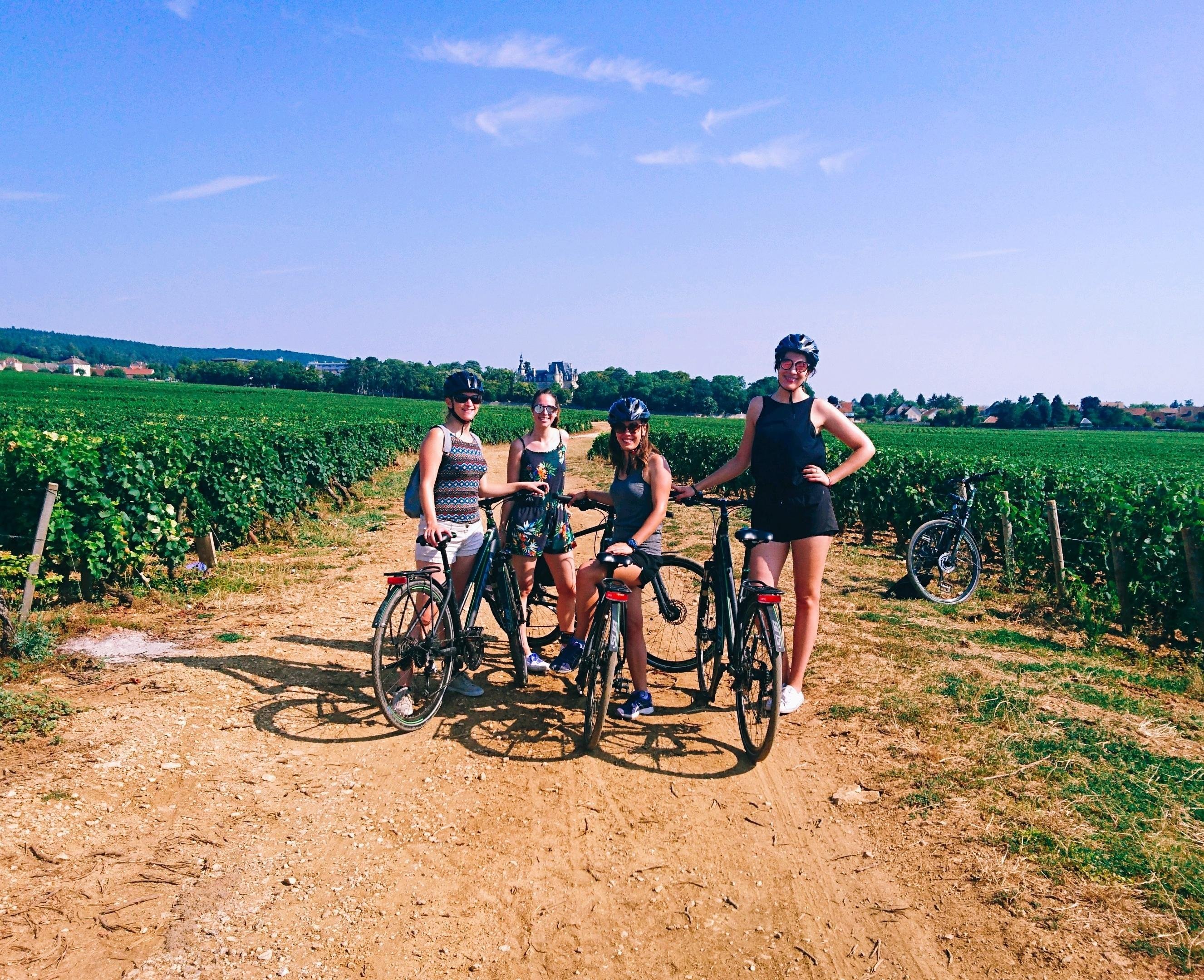
Cycle through vineyard-covered hills, taste seven wines, and lunch on regional charcuterie in Burgundy.
3 hours
Free Cancellation
Journey through Burgundy's legendary Grand Crus vineyards with guided tastings and expert commentary
3 hours
Free Cancellation
Pedal through historic wine villages and sample regional specialties amid Côte de Nuits vineyards
9 hours
Free Cancellation
Journey through medieval hilltop towns and cobblestone streets on a full-day countryside adventure
8 hours
Free Cancellation
Full-day exploration of Burgundy's legendary wine country with expert sommelier guide and tastings at family estates
You board a climate-controlled minibus in Dijon at nine in the morning, driving south past stone villages where street names reference medieval vineyard plots. The guide distributes regional maps marked with Premier Cru and Grand Cru boundaries as you enter Gevrey-Chambertin, where Charlemagne once held estates.
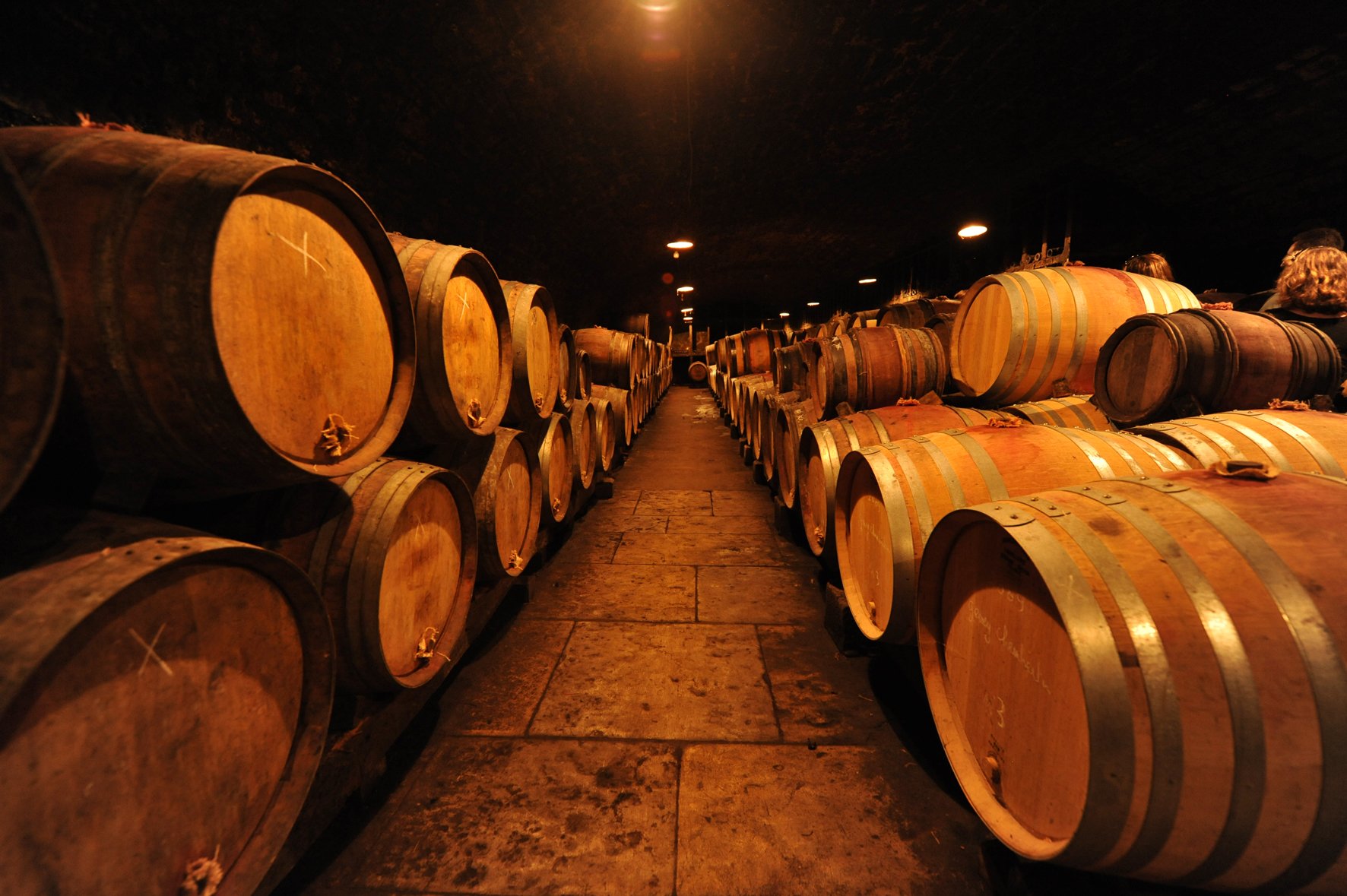
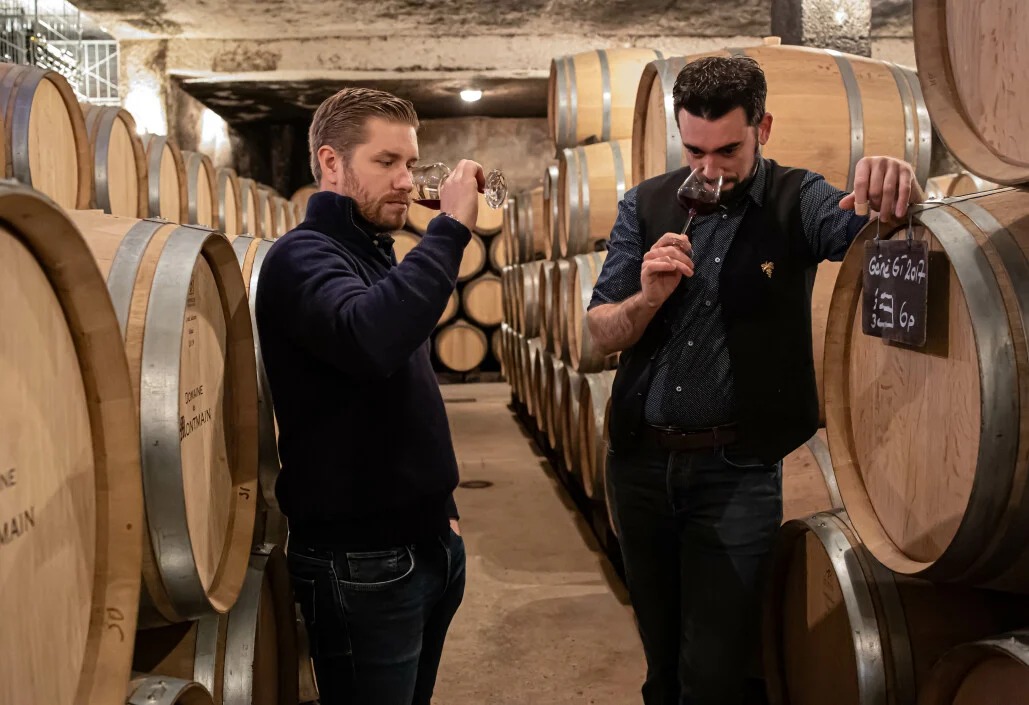
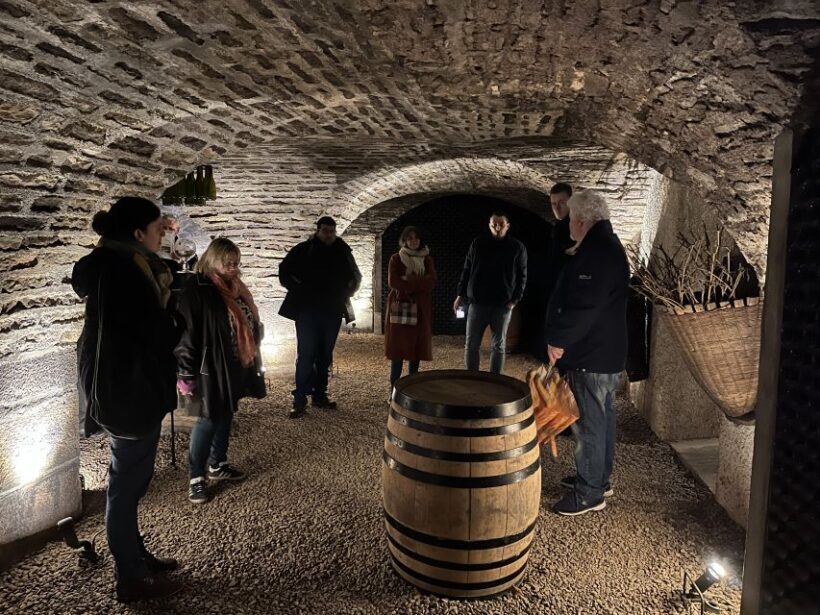
Your first stop is a family domaine operating since 1780. You descend into a cellar where barrel staves age for three years before cooperage, and the winemaker draws samples directly from oak casks using a glass pipette called a taste-vin.
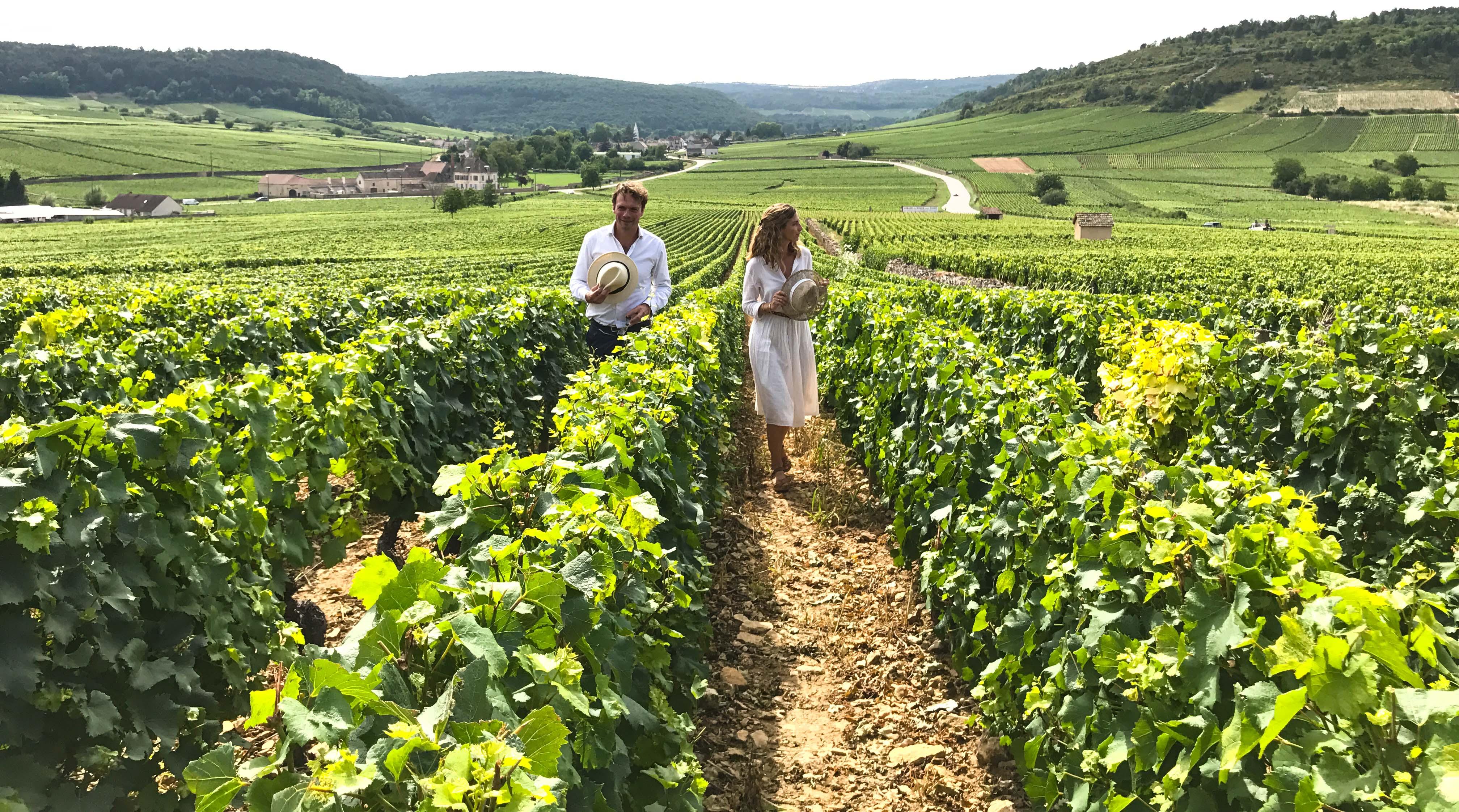
The tasting progresses from village Burgundy to Premier Cru, each pour accompanied by technical notes on vineyard aspect and harvest date. You spit into a pewter crachoir between samples. The second estate visit takes you into vineyards where you walk between rows of Pinot Noir vines, examining the limestone scree that drains rainfall within hours. The vigneron explains how Cistercian monks identified these slopes in the twelfth century by observing where snow melted first each spring.
After a midday pause in Vosne-Romanée, you visit a third property where the proprietor pours a fifteen-year vertical of the same parcel, demonstrating how bottle age transforms tannin structure. You return to Dijon by five, having tasted twelve wines across three appellations and learned to distinguish Chambolle's floral notes from Gevrey's darker fruit profile.
All the details about your upcoming adventure in one place
The Côte de Nuits stretches barely fourteen kilometers yet produces eight of Burgundy's thirty-three Grand Cru appellations. This narrow limestone escarpment, running south from Dijon to Corgoloin, has supplied Europe's royal courts since the Valois dukes planted the first Pinot Noir vines in the fourteenth century.
Philip the Bold's 1395 decree banning Gamay established the monoculture that defines the slope today. Where other wine regions plant in valleys, Burgundy's most prized parcels cling to mid-slope exposures between two hundred and three hundred meters, where drainage and sunlight converge.
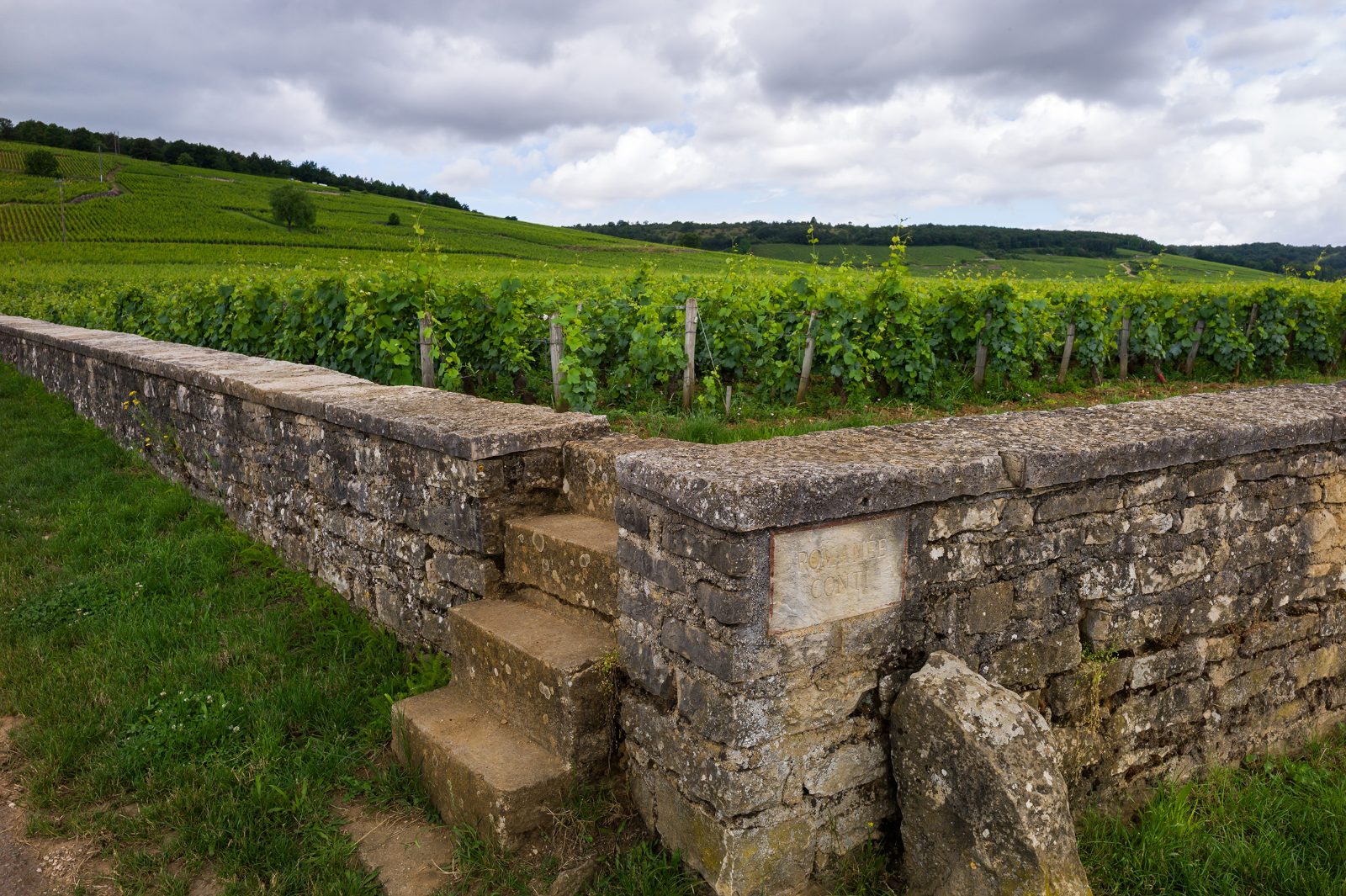
The Côte de Nuits designation itself dates to the nineteenth century, when négociants in Nuits-Saint-Georges consolidated trade routes and formalized classifications that had existed informally for centuries. Unlike Bordeaux estates measured in hectares, holdings here fragment into parcels smaller than a hectare, sometimes divided among a dozen owners. A single climat—the Burgundian term for a precisely delineated vineyard plot—can span multiple producers, each bottling wine under the same Grand Cru name yet expressing distinct terroir interpretations. Romanée-Conti, the region's most coveted vineyard, measures just 1.8 hectares.
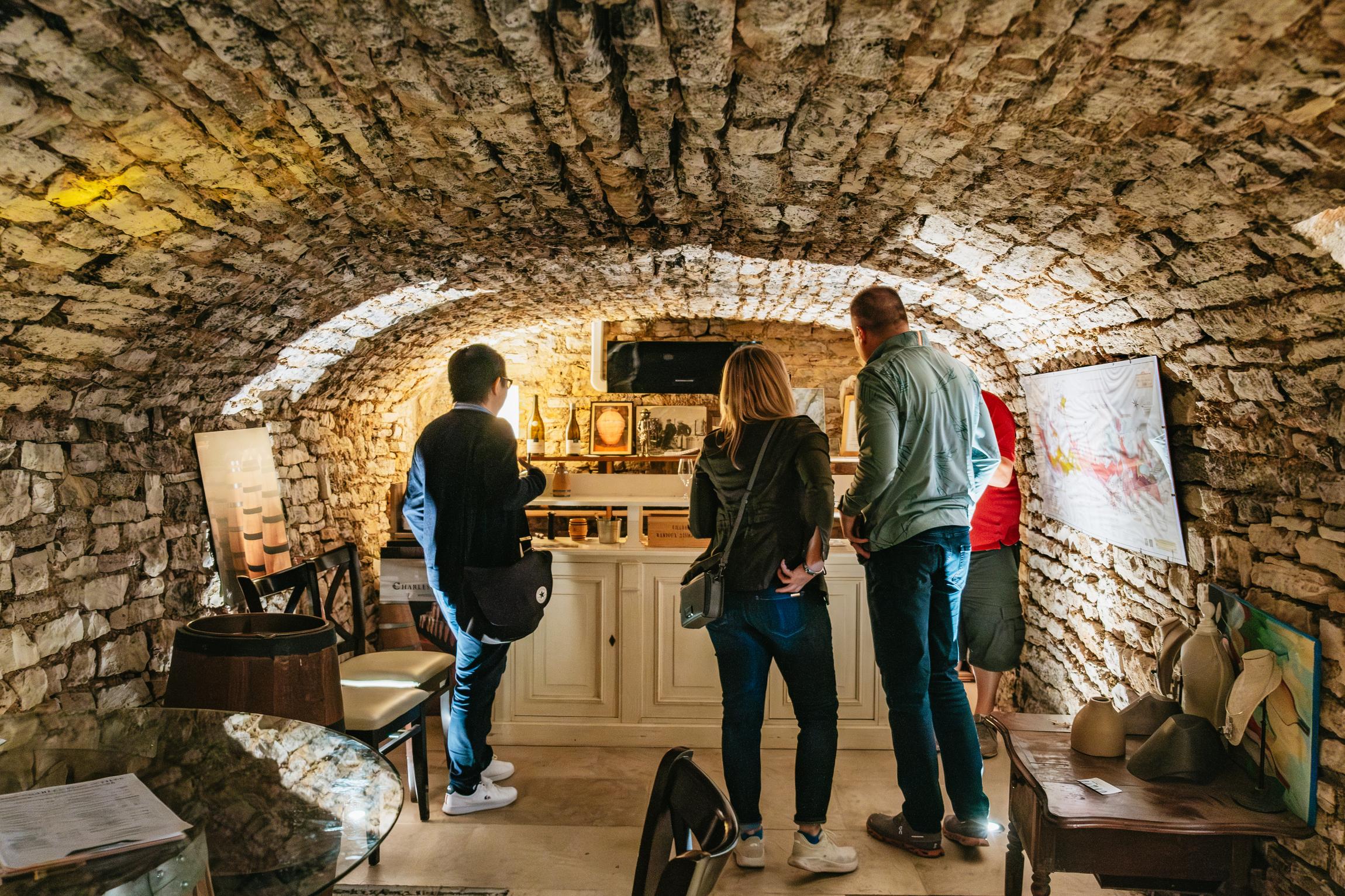
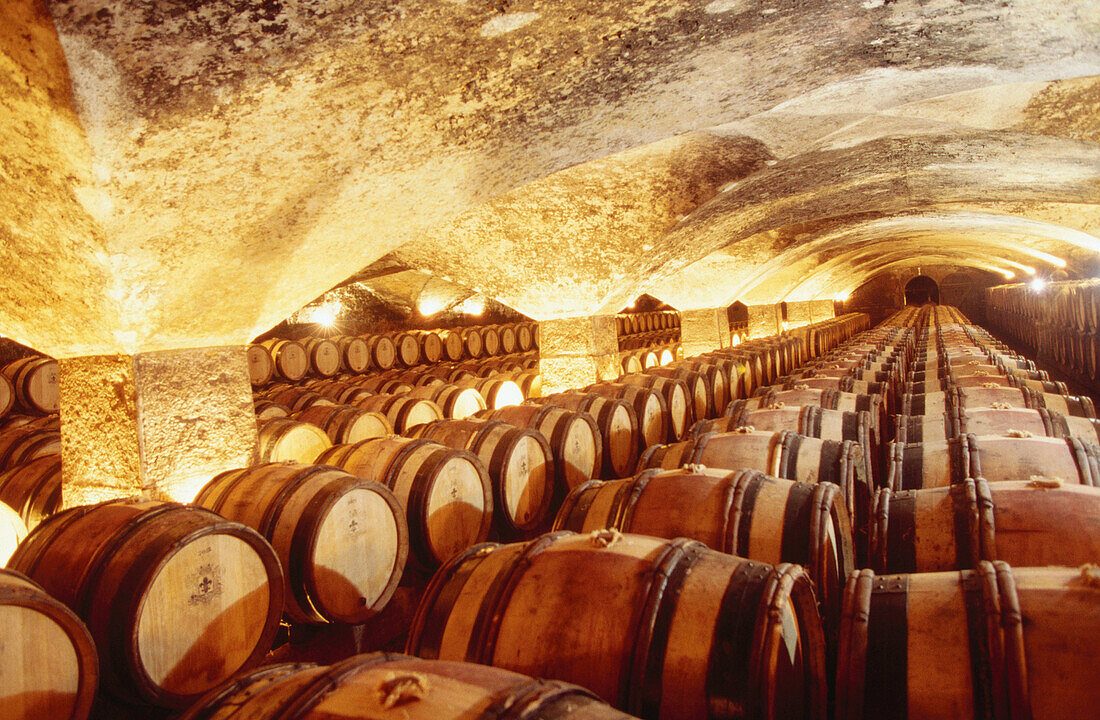
Côte de Nuits wine tasting tours depart from Dijon and Beaune throughout the week, typically visiting three to five estates over half-day or full-day itineraries. Routes trace the Route des Grands Crus through Gevrey-Chambertin, Morey-Saint-Denis, Chambolle-Musigny, Vougeot, Vosne-Romanée, and Nuits-Saint-Georges. Cellar visits descend into vaulted caves dating to monastic periods, where barrels rest in chambers carved from Jurassic limestone. Tastings compare village-level appellations against Premier Cru and Grand Cru bottlings, illustrating how fifty meters of elevation or a shift in soil composition alters flavor profiles.
Producers here practice lutte raisonnée—reasoned intervention—and many have converted to organic or biodynamic viticulture since 2000. Hand-harvesting remains standard; mechanical pickers cannot navigate the steep, stone-walled parcels that characterize classified vineyards. September harvest windows compress vintage character into weeks. Winemakers ferment in small lots, age in French oak for twelve to eighteen months, and bottle without filtration to preserve aromatic complexity. The result is a wine culture where place supersedes brand, and visitors learn to decode labels by geography rather than château names.
A single climat can span multiple producers, each bottling wine under the same Grand Cru name yet expressing distinct terroir interpretations.
Smart casual attire is recommended for most estate visits. Wear comfortable shoes suitable for walking through vineyards and potentially uneven cellar floors.
Most estates request that large backpacks and luggage be left in your vehicle. Security protocols vary by private cellar location.
Photography is generally permitted in the vineyards and tasting rooms. Always ask for permission before capturing images inside private wine cellars.
While cote de nuits wine tasting tickets are intended for adults, many estates welcome families to explore the vineyard grounds. Ensure children remain supervised at all times.
Access to historic cellars during a cote de nuits wine tasting tour can be challenging due to narrow stairs. Contact specific wineries in advance to confirm facilities.
External food and drink are prohibited inside tasting areas. Consume refreshments before or after your booked session.
Opening Hours
00:00–23:59
Address
Côte de Nuits, Burgundy, France
Accessibility
Varies by estate; many historic cellars have limited mobility access.
Best arrival window
09:00–17:00
Storage
Not available at vineyards; travel light.
Region
Côte de Nuits wine tasting area
Car · Ongoing · Varies by rental provider
Rental car is the most practical way to reach individual estates in the region.
Taxi · 30 min · Costs depend on destination
Local taxi services operate from Dijon or Beaune stations.
Individual estate cancellation policies apply to all cote de nuits wine tasting bookings. Please verify specific terms with your selected winery.
Recommended time
Full day
For a comprehensive cote de nuits wine tasting experience, allocating a full day allows you to navigate the vineyards of Burgundy at a measured pace. We recommend booking private cellar visits in advance, as these cote de nuits wine tasting tours require coordination between specific estates. While entrance to the region is 0 EUR, individual appointments ensure personalized access to the finest terroirs and Pinot Noir vintages. Securing your cote de nuits wine tasting tickets early is advised to manage travel between village estates without rushing.
Crowd levels through the day
Weather · crowds · average price — dots go green to amber to red as each metric rises.
Enjoy the active harvest season with pleasant temperatures. This is an ideal month for cote de nuits wine tasting tours.
Experience the vibrant autumn foliage across the landscape. The weather remains cool and suitable for outdoor vineyard walks.
Marvel at the budding vines during the quietest months of the year. Fewer crowds allow for intimate tasting appointments.
Warm days characterize the season, perfect for exploring the expansive Côte de Nuits region. Book appointments well in advance.
Secure your cote de nuits wine tasting tickets well ahead of your arrival. Many estates require reservations for private visits.
Since tasting is the focus, ensure you have a non-drinking driver or use taxi services.
Visit https://www.bourgogne-wines.com to plan your route. It provides official resources for exploring the region.
Even in warm months, cellars remain cool. Carry a light jacket during your cote de nuits wine tasting tour.
Focus your day on one specific area to minimize travel time between estates.
Address provided upon booking confirmation
Follow signs for domain parking
Get directionsThe story of cote de nuits wine tasting begins in the sixth century, when Benedictine monks at the Abbey of Saint-Vivant and Cistercians at Clos de Vougeot settled the slopes between Dijon and Nuits-Saint-Georges. These monastic orders mapped the terroir with scientific rigor, noticing that wines from adjacent parcels tasted radically different. By the twelfth century, the monks had defined climat boundaries—small, named plots—that remain the foundation of Burgundy's appellation system. The Clos de Vougeot, enclosed by a stone wall in 1336, became the prototype for estate-based viticulture and remains a pilgrimage site for collectors today. The French Revolution fractured this landscape. In 1789, the state seized church lands and auctioned them to the highest bidder, splintering the great monastic holdings into hundreds of small parcels. Napoleon's inheritance laws accelerated the fragmentation: a single climat might now belong to a dozen families, each producing wine from a few rows of vines. This fractured ownership transformed wine tasting tours into intimate, appointment-only visits at family cellars rather than grand château experiences. Estates like Domaine de la Romanée-Conti emerged from this period, consolidating tiny parcels of exceptional terroir. Phylloxera devastated the vineyards in the 1870s, forcing growers to replant on American rootstock. Recovery was slow; World War I claimed a generation of vignerons, and the 1930s brought economic collapse. The appellation d'origine contrôlée system, formalized in 1936, codified the monks' climat boundaries into law, protecting names like Gevrey-Chambertin and Vosne-Romanée. By the 1970s, international demand revived the region, and small producers began welcoming visitors into centuries-old cellars. Today's cote de nuits wine tasting tickets grant access to this historical patchwork: each tasting reflects not only the limestone subsoil and Pinot Noir clone, but also the monastic precision, revolutionary upheaval, and family perseverance that shaped the Côte de Nuits into the world's most granular wine landscape.
Benedictine and Cistercian monks settle the Côte de Nuits slopes and begin mapping terroir differences.
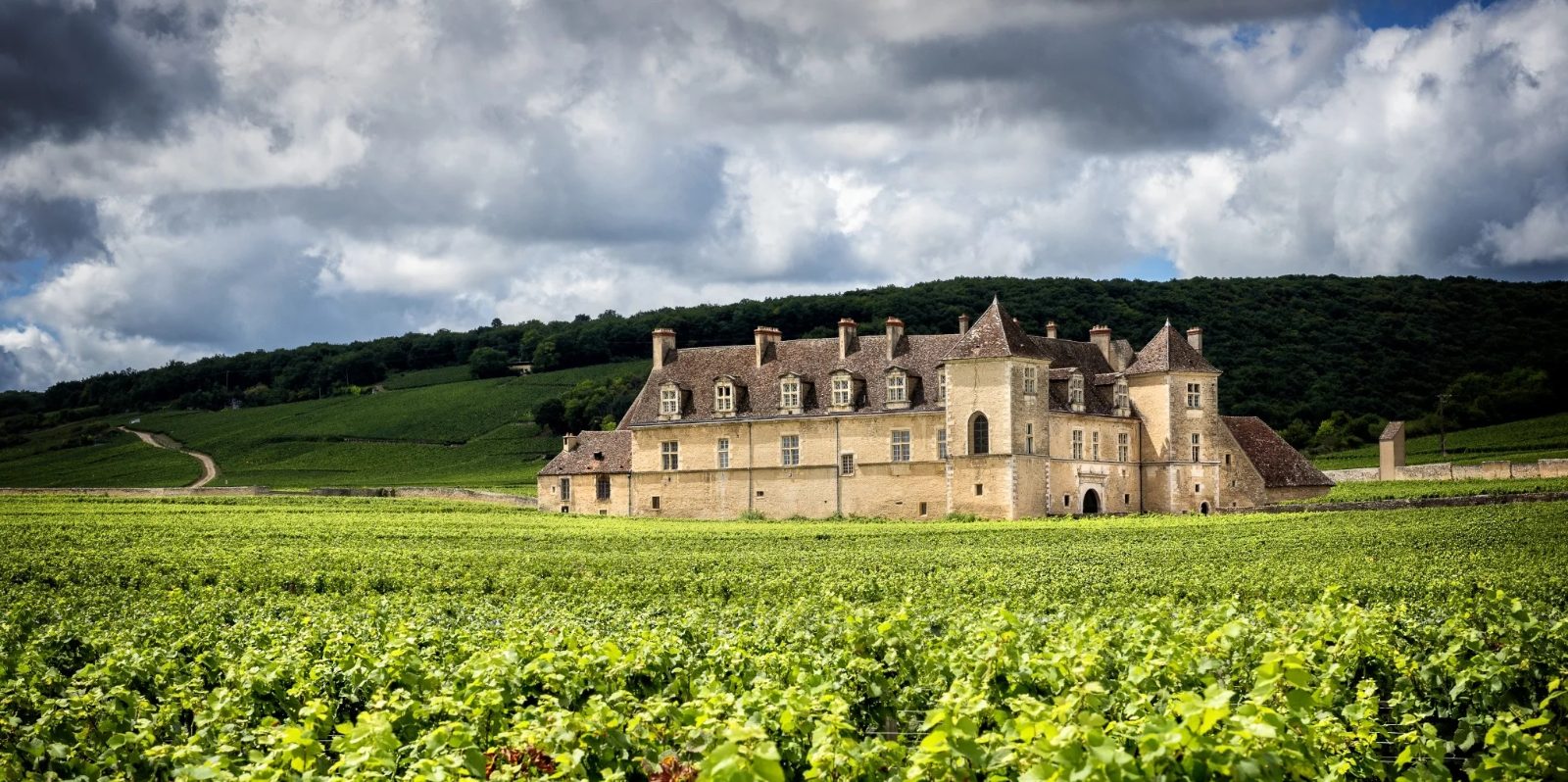
Cistercians complete the stone wall enclosing Clos de Vougeot, establishing the prototype for enclosed vineyard estates.
The French Revolution seizes church lands and auctions monastic vineyards, fragmenting ownership into hundreds of small family parcels.
Phylloxera destroys the region's vines, forcing replanting on resistant American rootstock and delaying recovery for decades.
France formalizes the appellation d'origine contrôlée system, codifying the monks' climat boundaries into protected designations.
International demand revives the region, and small family estates open their cellars for private tastings and cellar visits.
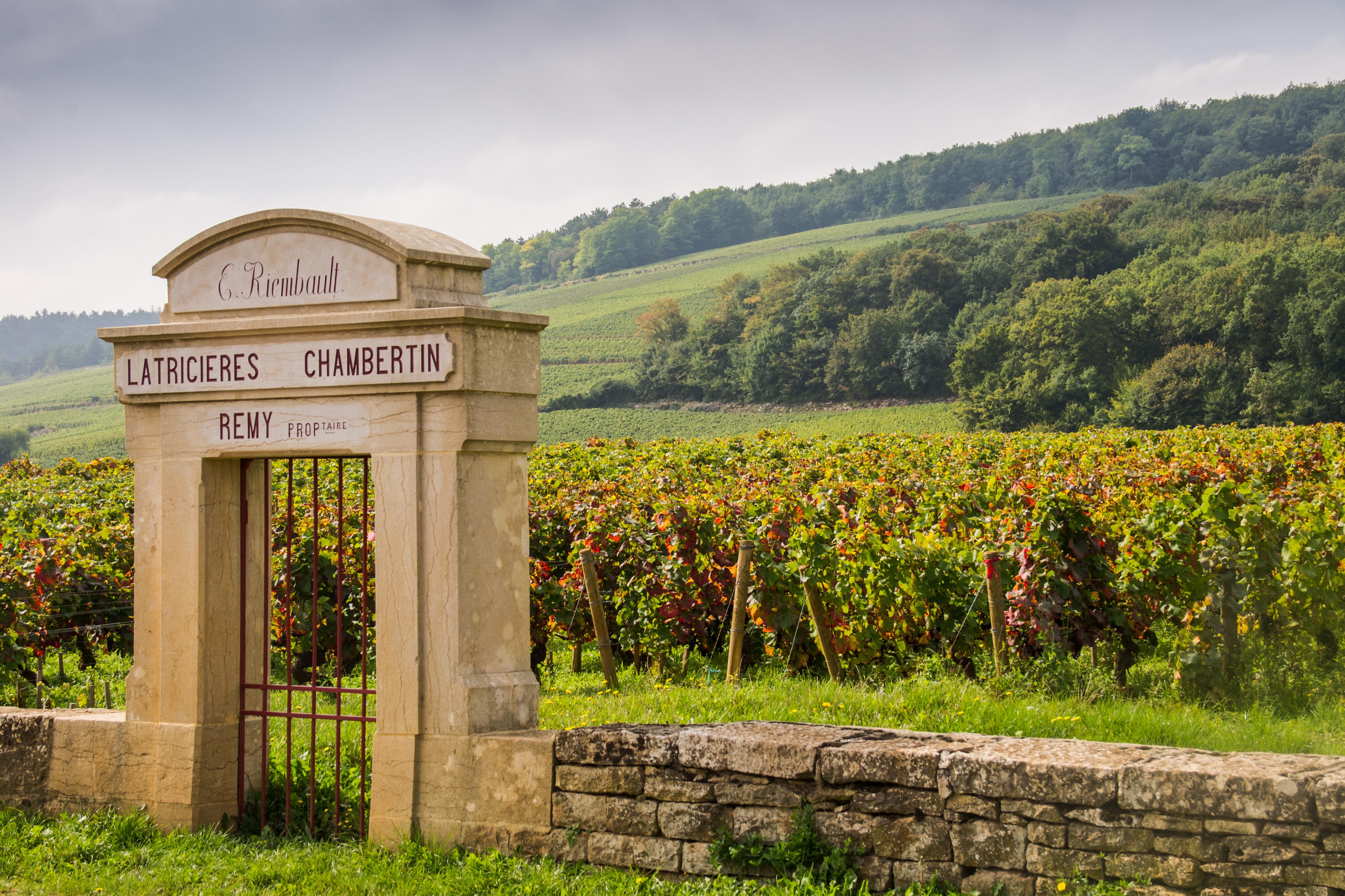
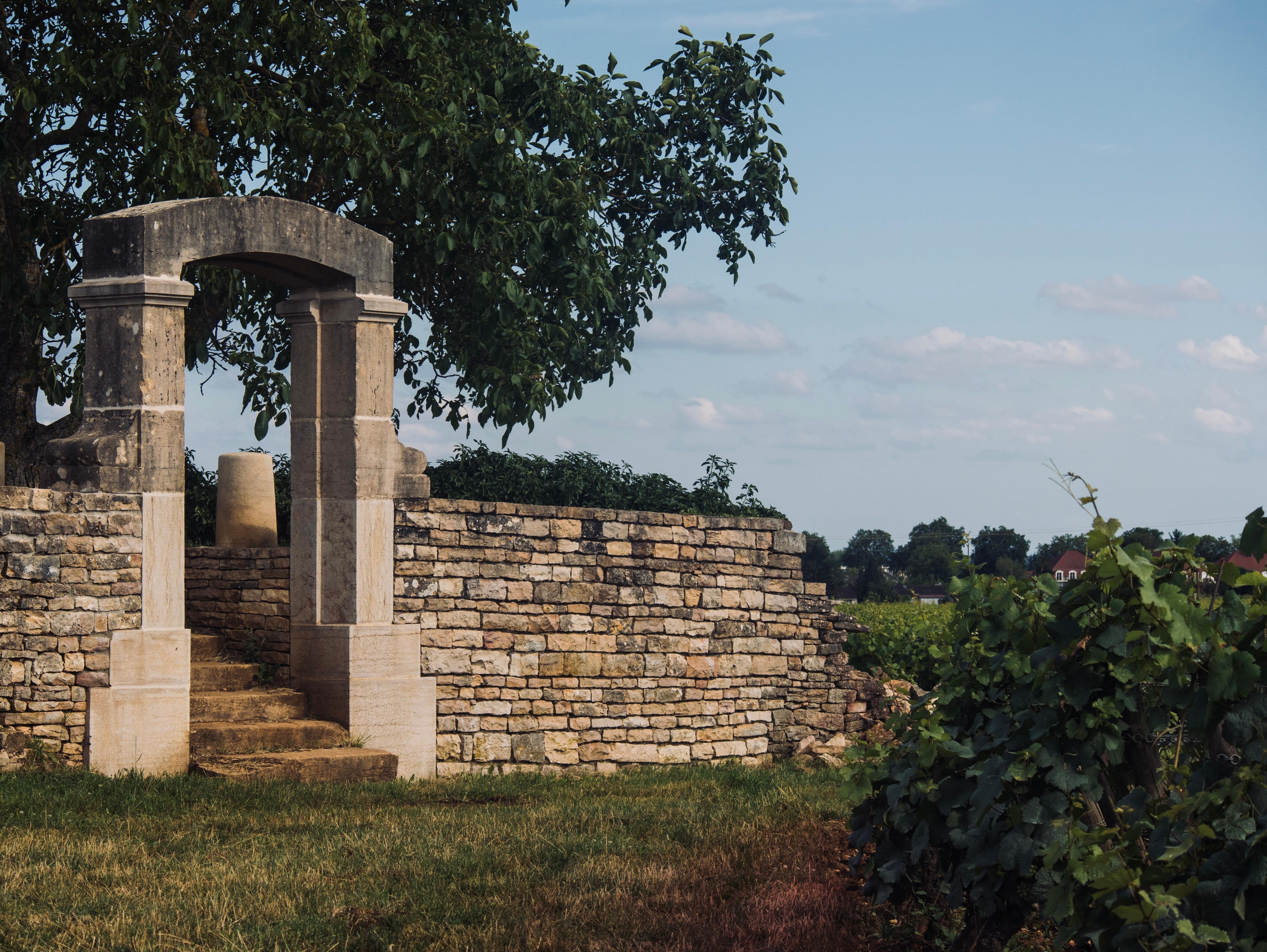
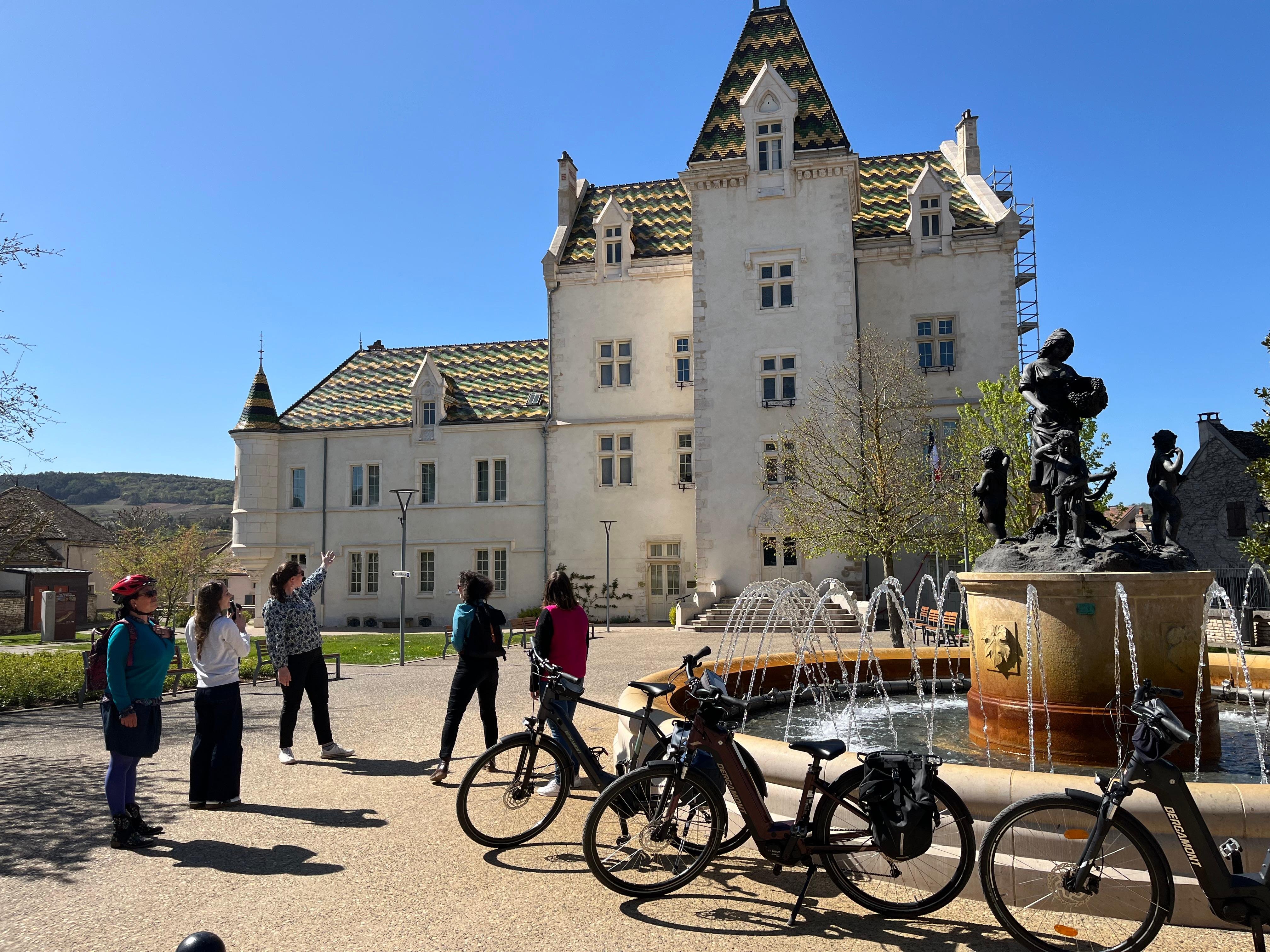
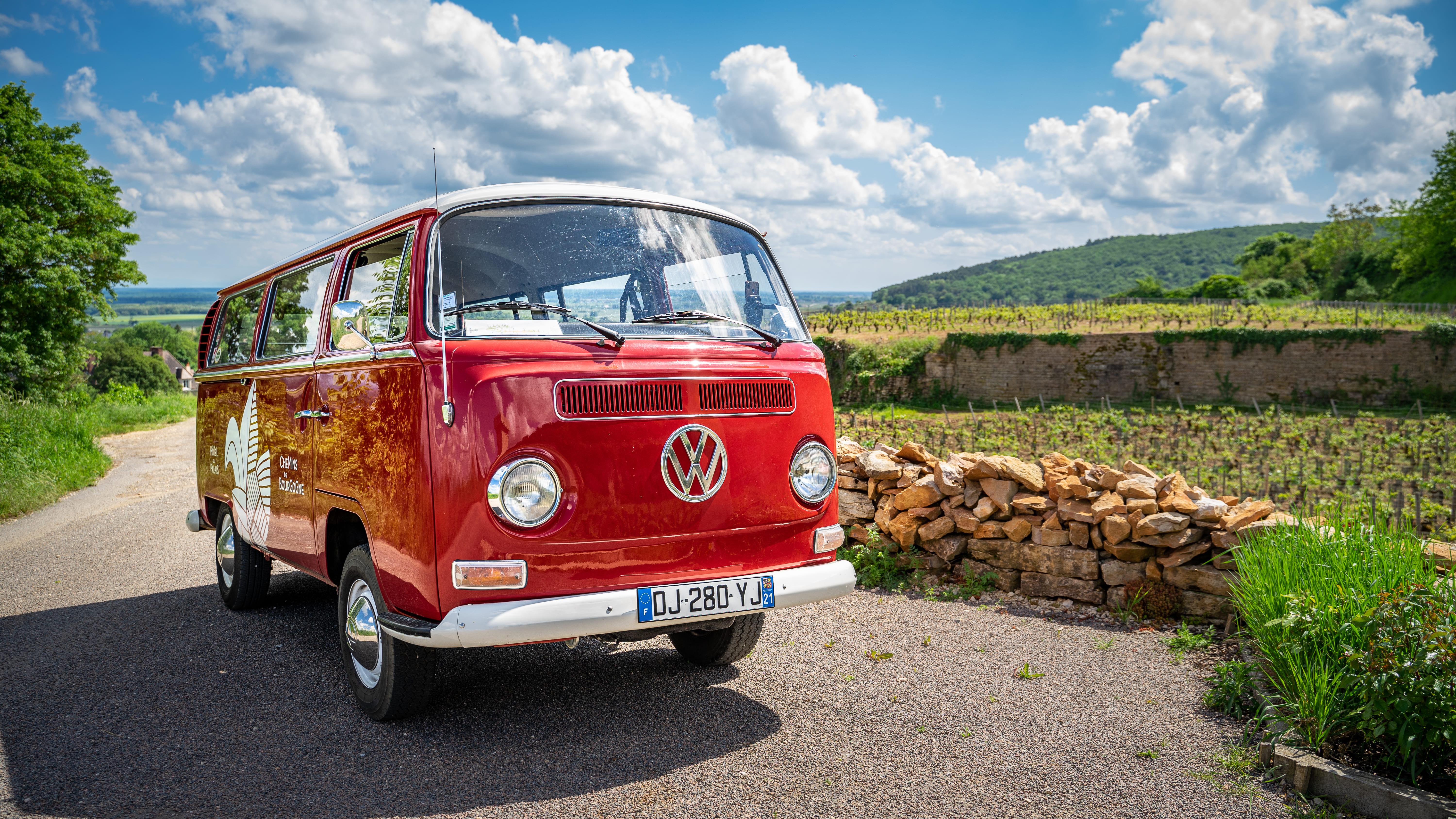
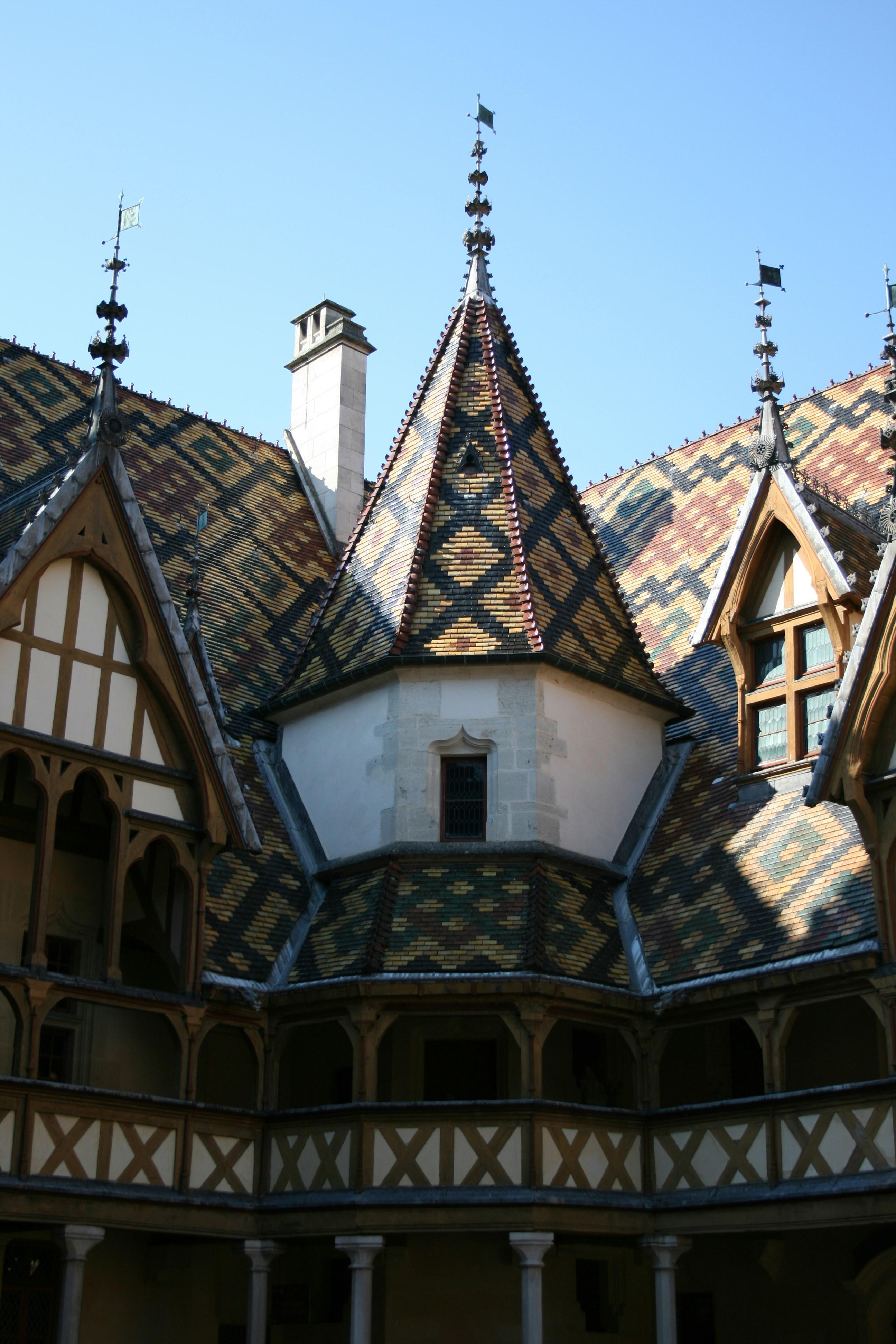
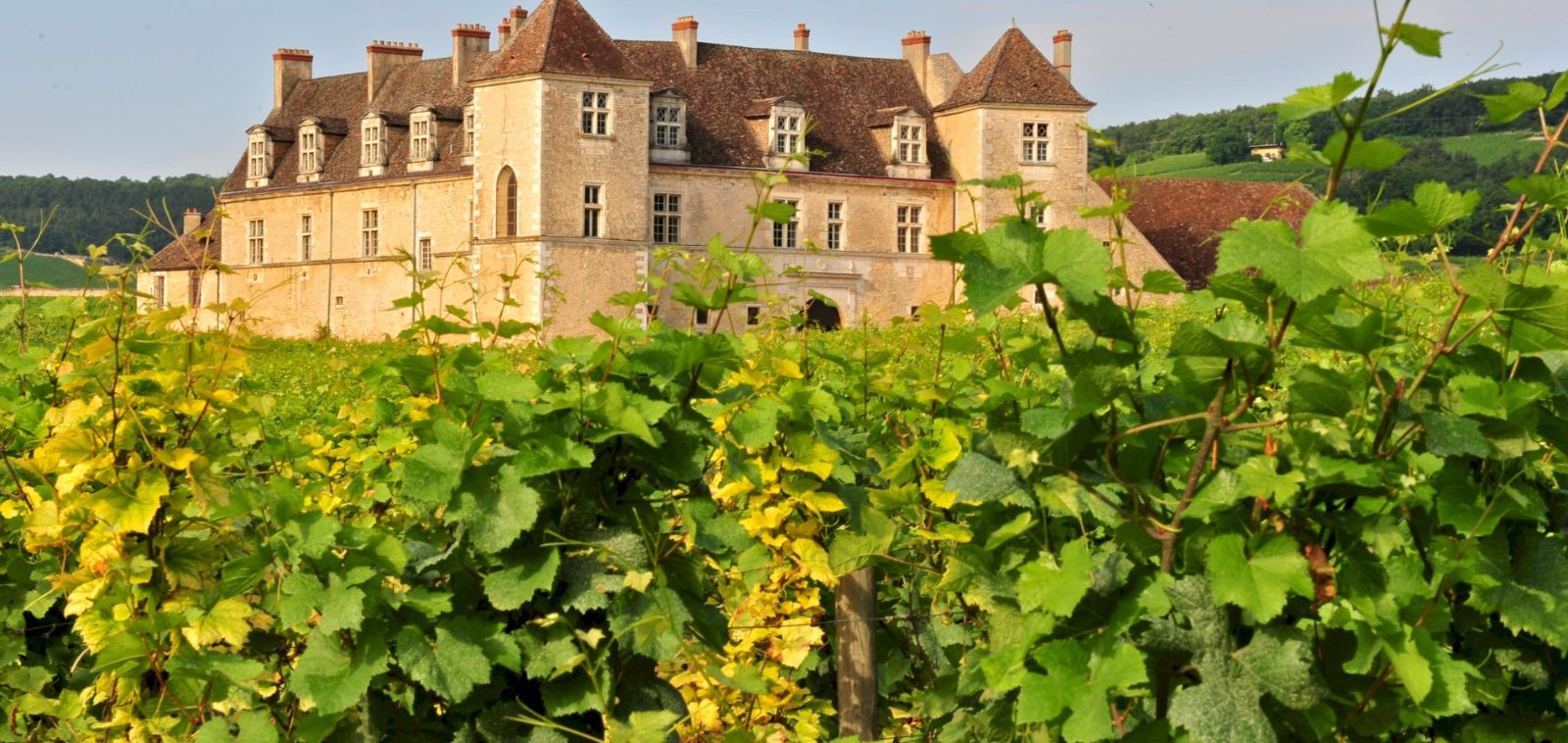
Capture the iconic medieval architecture and the vast limestone walls from the center of the courtyard. This landmark is a central hub for those seeking a cote de nuits wine tasting experience.
Position yourself on the path bordering the vines for a low-angle shot of the legendary terroir. This classic spot offers a perspective favored by many on a private cote de nuits wine tasting tour.
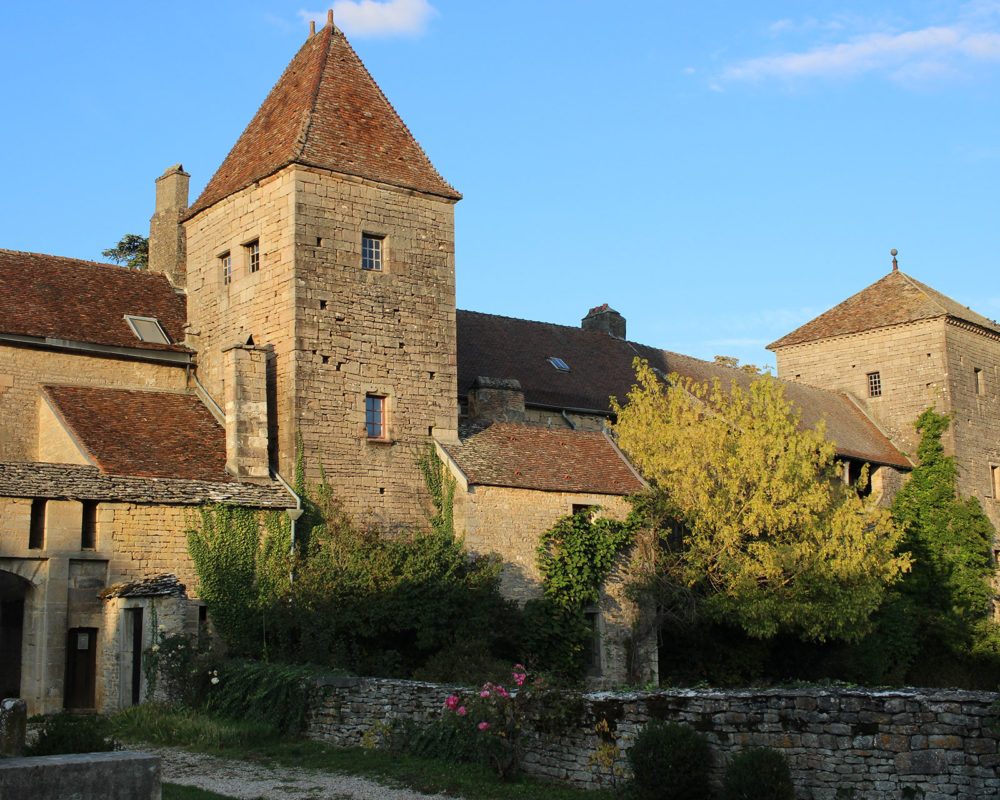
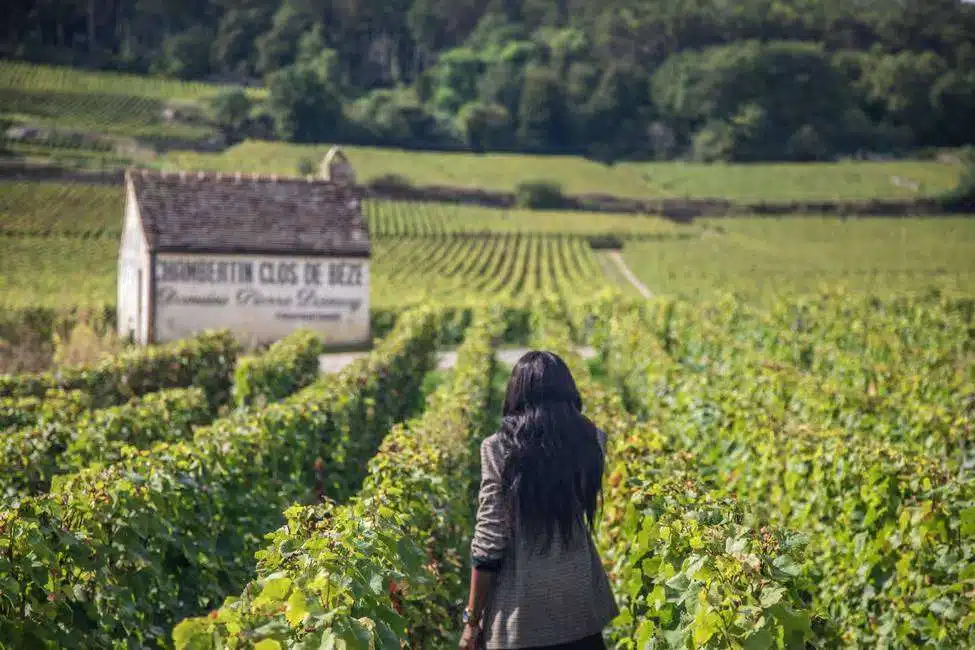
Frame the traditional stone buildings and local signage that define this historic wine region. It serves as a perfect backdrop for documenting your journey before purchasing cote de nuits wine tasting tickets.
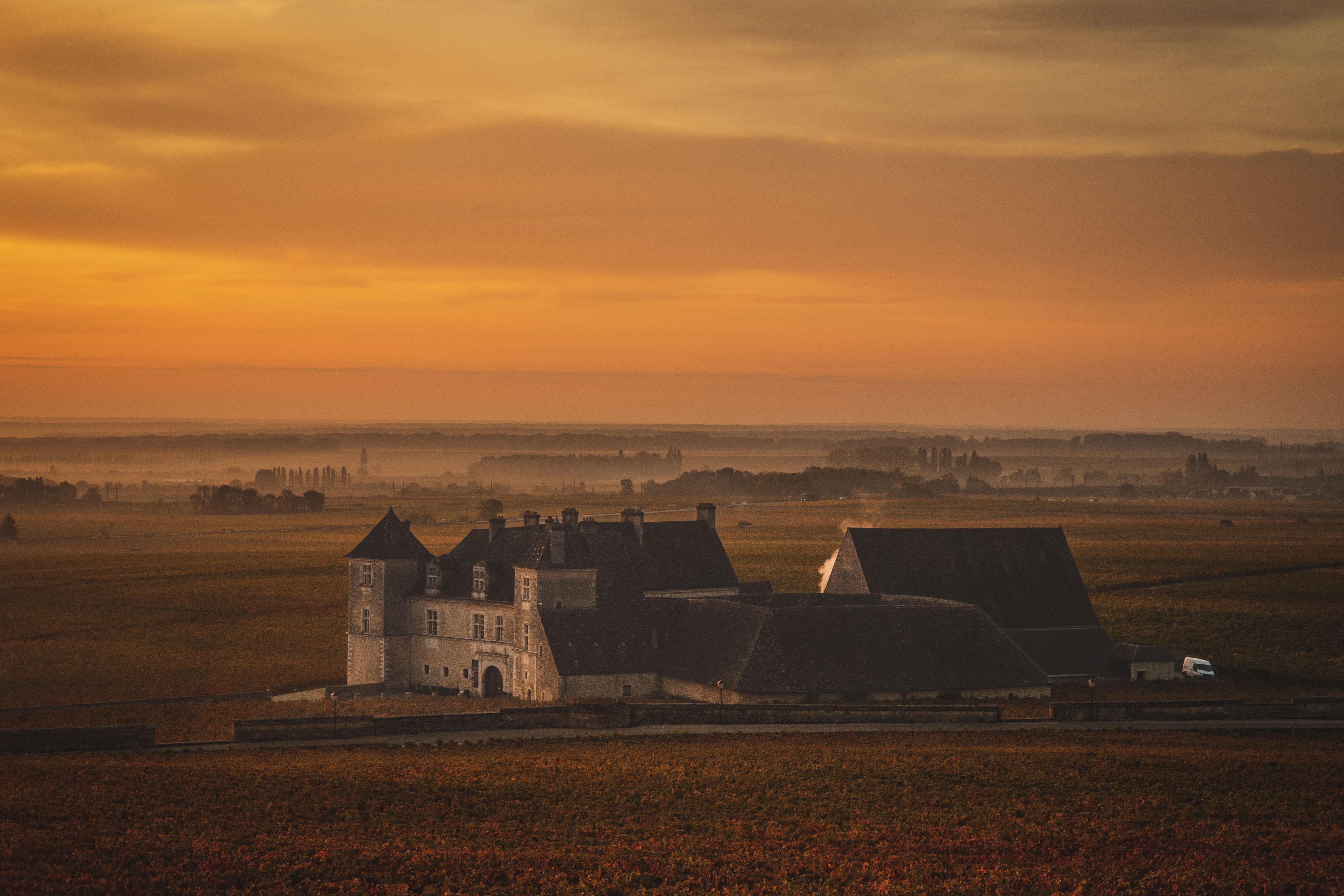
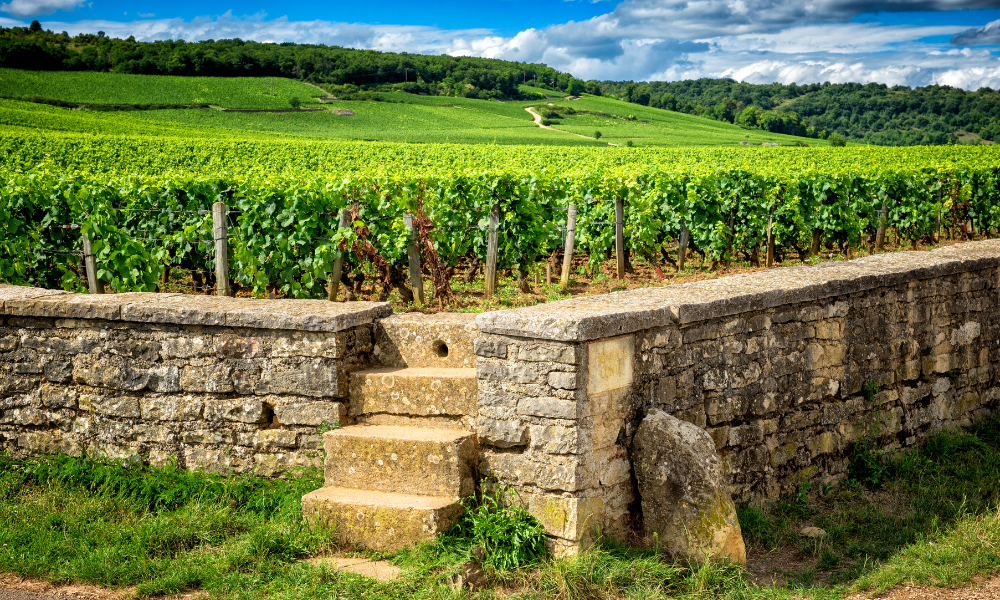
Stand at the edge of the vineyard slope to photograph the rolling hills during the autumn harvest season. This area provides high-quality imagery for anyone interested in cote de nuits wine tasting tours.
Engaging in a cote de nuits wine tasting is a manageable and enriching experience for families when you balance cellar visits with the region's human-sized village pace. By planning ahead, you can share the cultural beauty of these historic vineyards while keeping younger travelers happy and involved.
Most village streets and some larger estates are stroller-friendly, though a baby carrier is highly recommended for navigating historic cellars or uneven vineyard paths.
Children aged 4 to 12 benefit most from the area, as many estates offer investigation booklets or sensory trails that turn a standard cote de nuits wine tasting tour into an interactive quest.
While dedicated baby-change rooms are rare at smaller family-run domaines, major sites and public tourism hubs in nearby towns like Nuits-Saint-Georges provide reliable facilities.
Avoid overstimulation by limiting your schedule to no more than two estate visits per day, interspersing these with outdoor time on the local greenways to keep the family refreshed.
Pack your own snacks for vineyard walks, as many estates specialize in production rather than full dining, though local patisseries in village centers are perfect for quick, kid-approved treats.
When weather turns, pivot toward indoor educational centers or museums that offer specialized cote de nuits wine tasting tickets and interactive exhibits for all ages.
Exploring the vineyards is best paired with a meal in the nearby villages, where you can find regional gastronomy near your cote de nuits wine tasting itinerary. These locations provide the perfect setting to enjoy Pinot Noir pairings and local terroir before continuing your cote de nuits wine tasting tours.
Located in Nuits-Saint-Georges, this venue offers refined seasonal dishes that highlight Burgundy produce. It is a preferred spot for those finishing a cote de nuits wine tasting tour to enjoy a formal meal.
Situated in Gevrey-Chambertin, this restaurant provides a sophisticated atmosphere ideal for sampling grand cru selections. Reservations are recommended for those holding cote de nuits wine tasting tickets.
A casual, lively spot in Nuits-Saint-Georges perfect for a relaxed lunch between cellar appointments. The menu features classic French plates that complement the local viticulture.
Everything you need to know for your journey
The region is open 00:00–23:59 daily, though private estates set their own appointment hours.
Yes, entry to the region is 0 EUR, though individual tastings carry separate fees.
Bookings for a cote de nuits wine tasting can be made directly through estate websites or authorized platforms.
Tastings involve alcohol, so participants must be of legal drinking age.
Distances between villages are significant, so car or taxi travel is recommended for your cote de nuits wine tasting.
Bring a valid ID, your booking confirmation, and comfortable shoes for vineyard paths.
Plan for at least 90 minutes for a standard cote de nuits wine tasting visit.
Photography is generally permitted, but always ask before shooting inside a private cellar.
The arrival window of 09:00–17:00 is optimal for enjoying a cote de nuits wine tasting.
Vineyards do not typically offer full meals; plan to dine in nearby towns.
A historic site featuring a 12th-century cellar and press room.
Central hub with easy access to the region.
Join thousands of happy travelers who have discovered this incredible experience
Book Your Experience Now